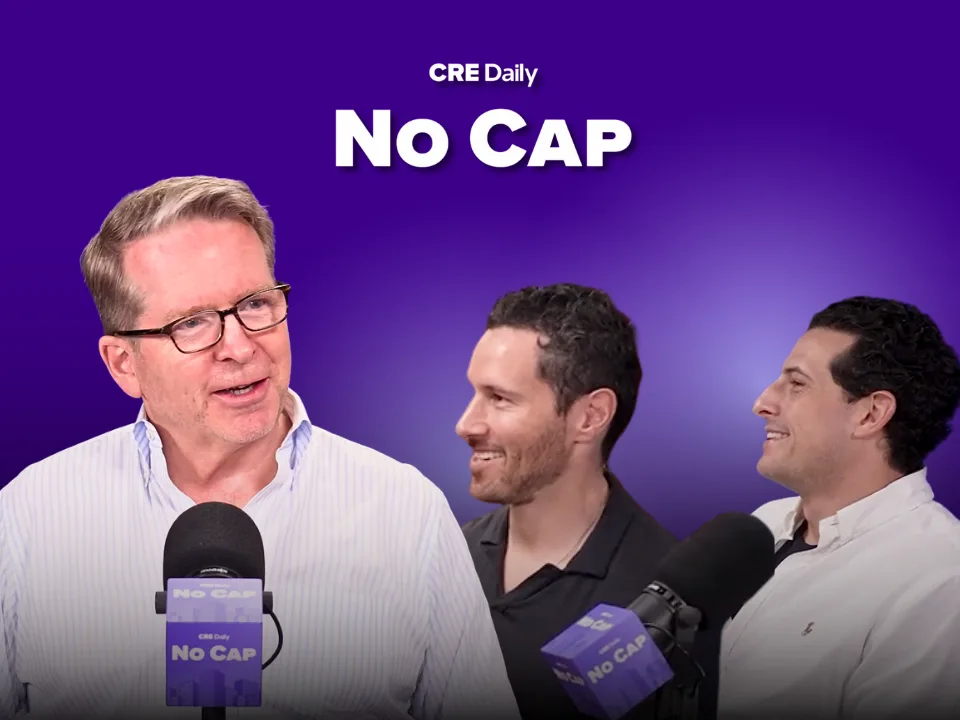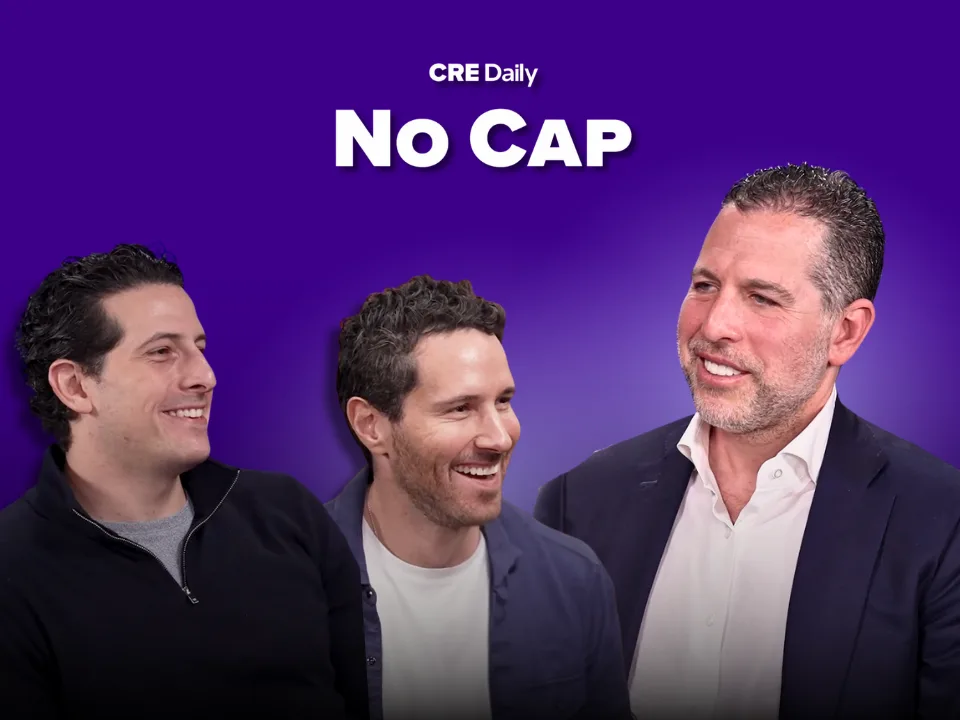








Season 5 of the No Cap podcast shifts focus to a corner of development most investors avoid. Jack Stone and Alex Gornik sit down with Alex Samoylovich, co-founder of CEDARst Companies, a Chicago-based developer who built his platform around Adaptive Reuse and complex urban redevelopment.
Instead of chasing clean ground-up deals, Samoylovich built CEDARst by leaning into friction. Distressed assets. Historic buildings. Layered capital stacks. Neighborhoods others passed on. That early willingness to operate where things were messy became the firm’s edge and eventually scaled into a national platform.
The conversation traces how CEDARst got its start, why adaptive reuse became central to its strategy, how tax credits and incentives unlocked growth, what actually differentiates multifamily today, and why being contrarian on markets has paid off.
Conversation Highlights
Alex: For people who don’t know your background, how did you get started in real estate?
Alex Samoylovich: We started young and without a traditional real estate background, which actually worked in our favor. In the early 2000s, we were buying residential foreclosures before there were playbooks, podcasts, or syndication models. When the Global Financial Crisis hit, that experience mattered. Between 2008 and 2013, while many large developers were sidelined or wiped out, we had no bad inventory and were able to buy distressed assets and middle-market debt at steep discounts. That period allowed us to transition from residential into commercial real estate.
The conversation then moved from CEDARst’s origins to the strategic decisions that allowed the firm to survive multiple real estate cycles.
Alex: You also vertically integrated very early. Why was that important?
Alex Samoylovich: Capital was limited and small deals couldn’t support waiting five years for a promote. Vertical integration created recurring revenue and gave us control. We learned design, construction, and property management ourselves, not because it was trendy, but because it was necessary. That structure helped us survive different cycles and created a long-term competitive advantage.
We didn’t come from Wall Street. We didn’t have preconceived notions about how things were supposed to be done.
Alex: Adaptive reuse and historic redevelopment became central to your strategy. How did that evolve?
Alex Samoylovich: It came from the assets we were buying. Many were older, historic buildings that others didn’t want to deal with. Once we understood historic tax credits, everything changed. Depending on the project, you can recover roughly twenty to forty percent of renovation costs. We later learned those credits could be sold to banks and used as equity, which dramatically changed the capital stack and allowed us to do larger, more complex deals with less traditional equity.
That allowed us to do some of the most amazing projects in Chicago.
Alex: Was there a project that really validated that approach?
Alex Samoylovich: Lawrence House in Chicago was a major inflection point. It was a former hotel with over 300 units in a highly distressed area that many people considered uninvestable. When we bought it, it had extremely high crime and skepticism was everywhere. We converted it into micro-apartments with hospitality-inspired amenities, long before that became common. Today, it’s one of our best-performing assets and helped prove that adaptive reuse and smaller unit sizes could work at scale.
From there, the discussion shifted to how those early redevelopment bets reshaped CEDARst’s approach to multifamily product and operations.
Alex: How did that project influence your broader multifamily strategy?
Alex Samoylovich: It reinforced the idea that affordability doesn’t have to come from restrictions. At Lawrence House, the average unit is around 275 square feet, which naturally caps rents while allowing high rent per square foot. It’s effectively naturally occurring affordable housing. That concept shaped how we think about unit mix, density, and long-term performance.
Alex: Amenities became an arms race across multifamily. What actually matters now?
Alex Samoylovich: Most amenities are underutilized. We’ve seen usage rates below five percent. The real differentiator is experience, programming, and community. That thinking led to Lively, our resident engagement platform. It focuses on activation and retention rather than just adding features, and across our portfolio it’s driven meaningful improvements in resident retention.
Alex: AI came up a lot in this conversation. Where does it actually fit today?
Alex Samoylovich: AI is about speed and efficiency, especially in leasing. If you don’t respond quickly, you lose the renter. Automation allows 24/7 scheduling, communication, self-guided tours, and approvals, while still keeping human oversight where it matters. Adoption across real estate is still very low, but this will become table stakes, particularly for institutional operators.
The conversation then widened to where those strategies are playing out today and which markets offer the clearest path forward.
Alex: You didn’t follow the Sun Belt migration like many developers did. Why?
Alex Samoylovich: We prefer dense urban markets with high barriers to entry. That creates long-term supply constraints. Opportunity Zones helped us scale nationally, but we were already operating in overlooked neighborhoods before incentives existed. The incentives amplified a strategy we already believed in rather than creating one from scratch.
We were always in high-density urban areas with supply-demand constraints. Things that made it harder to build long term.
Alex: You’ve layered multiple incentive programs on deals. How important has that been?
Alex Samoylovich: It’s been critical. Between historic tax credits, Opportunity Zones, grants, TIFs, and depreciation strategies, you can sometimes stack three or four tools on a single project. It’s not applicable everywhere or for everyone, but when it fits, it can dramatically improve feasibility and returns while still delivering housing.
Alex: What markets stand out to you right now?
Alex Samoylovich: San Diego is a top market for us because of strong job drivers like biotech, defense, and education, combined with new zoning incentives encouraging smaller units and higher density. Chicago is also compelling. Assets are trading below replacement cost, new supply is extremely limited, and fundamentals are stronger than headlines suggest.
Alex: Looking ahead, what are you most optimistic about?
Alex Samoylovich: If interest rates ease over the next year, that could unlock a lot of activity. Real estate has been through a tough stretch, but we think the next five to seven years could be a strong cycle for disciplined developers and operators who stayed focused on fundamentals.
Watch the full episode on our YouTube Channel or your favorite podcast app.
Tune in weekly for new episodes of No Cap by CRE Daily!