






- Four Democratic senators urge a Treasury investigation into data center debt financing practices.
- Concerns center on the risks of complex AI-driven debt deals using special purpose vehicles (SPVs).
- Senators warn that taxpayers could face exposure if an AI-fueled debt bubble bursts.
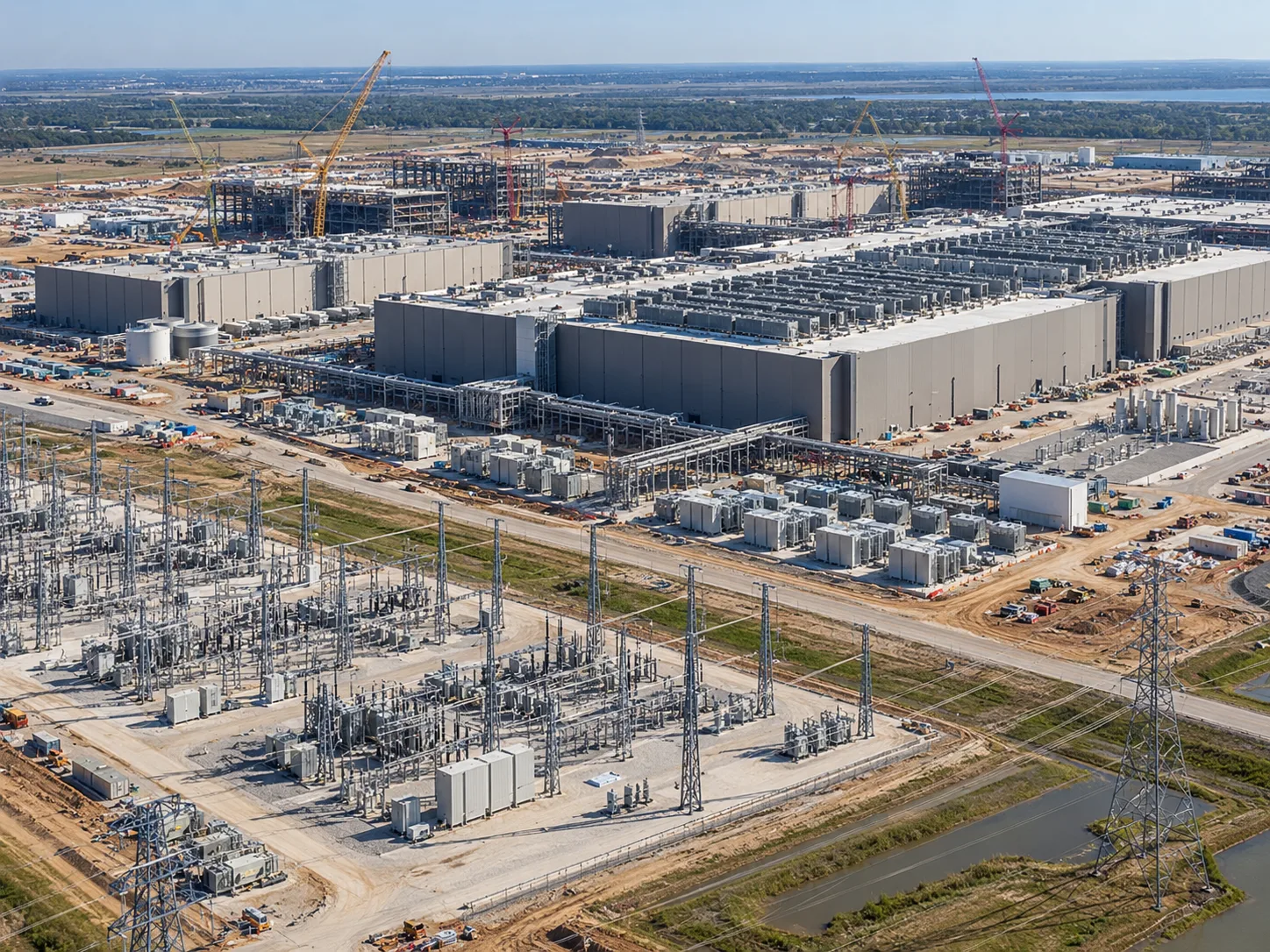
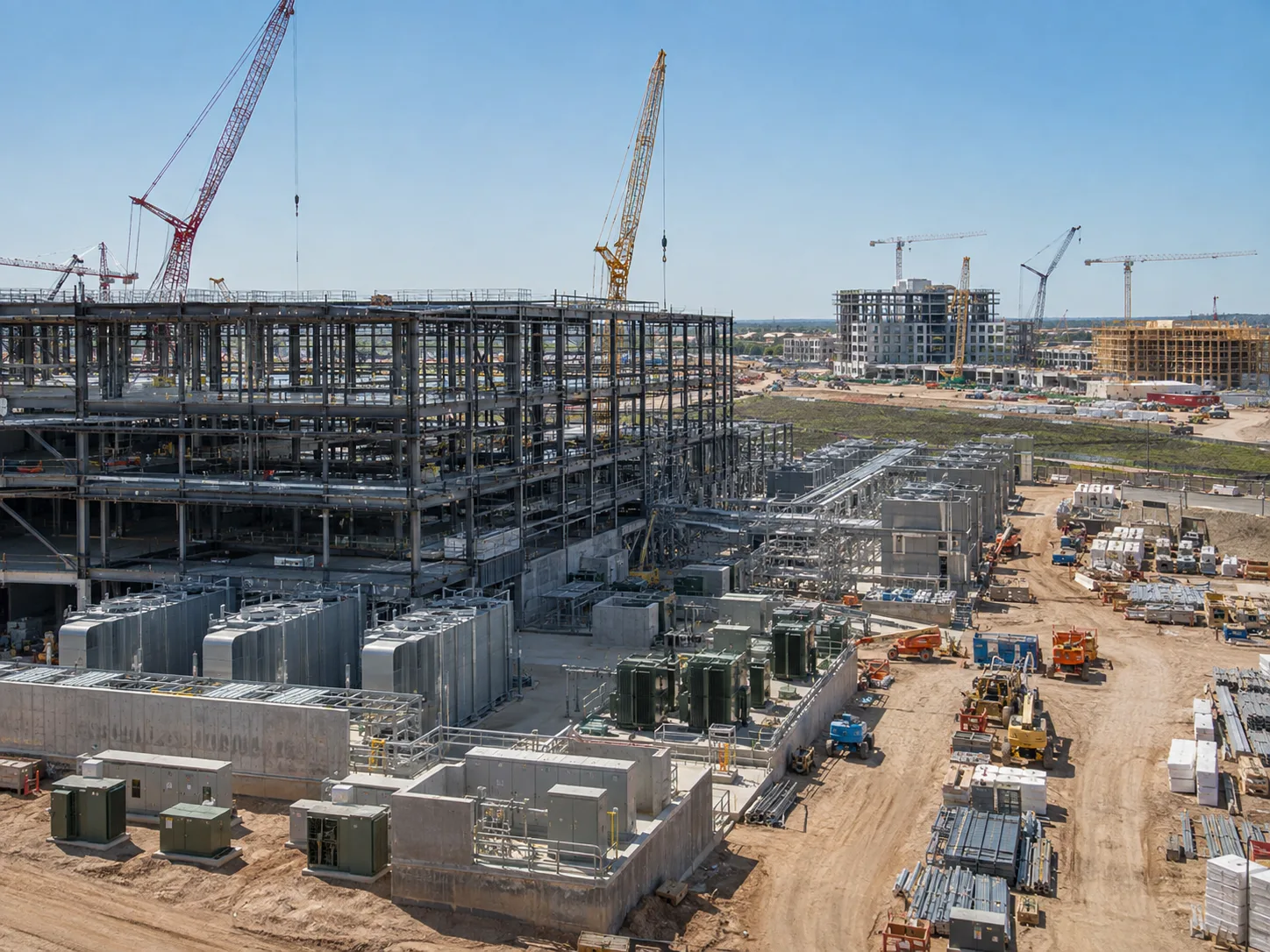
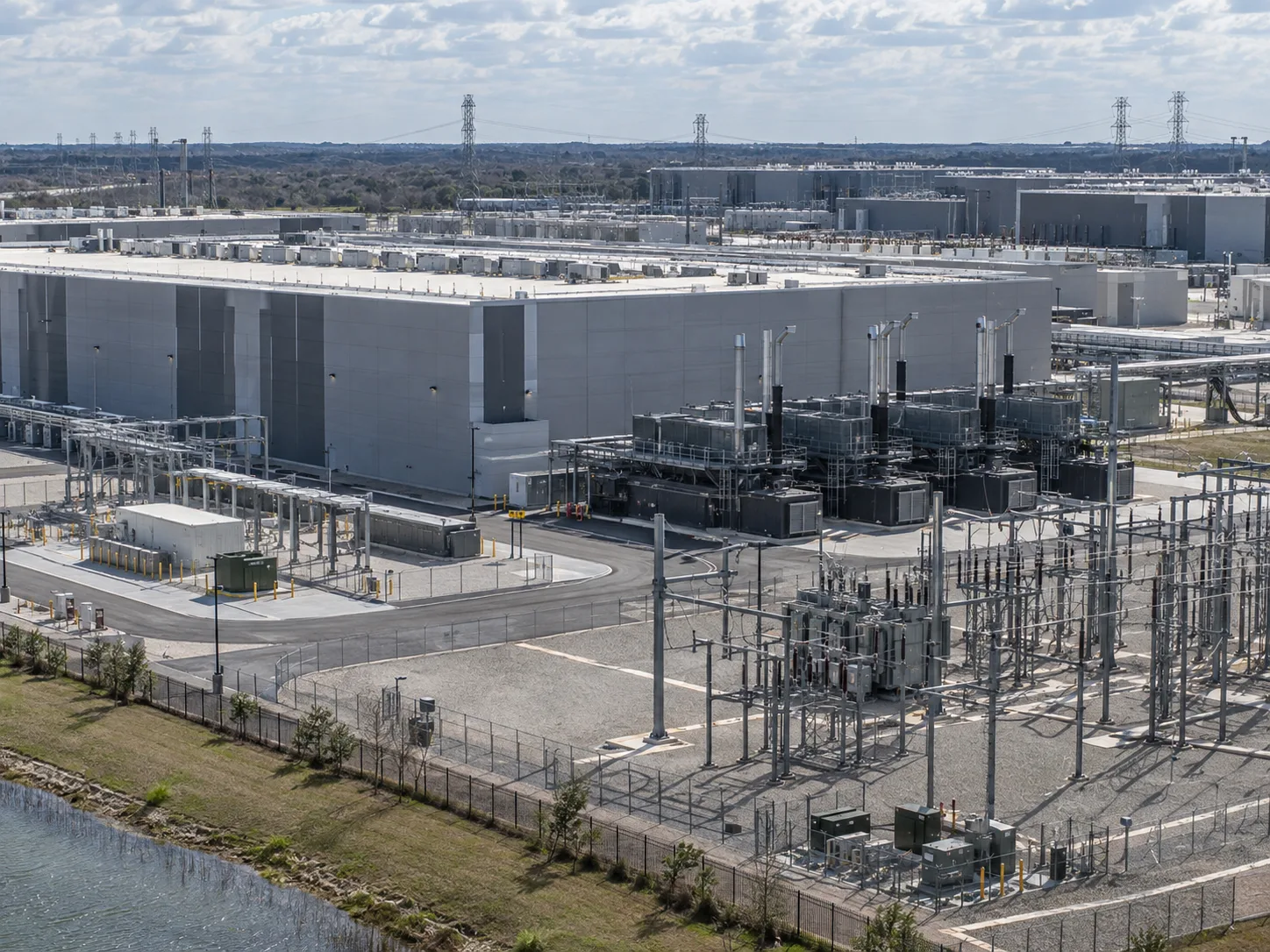
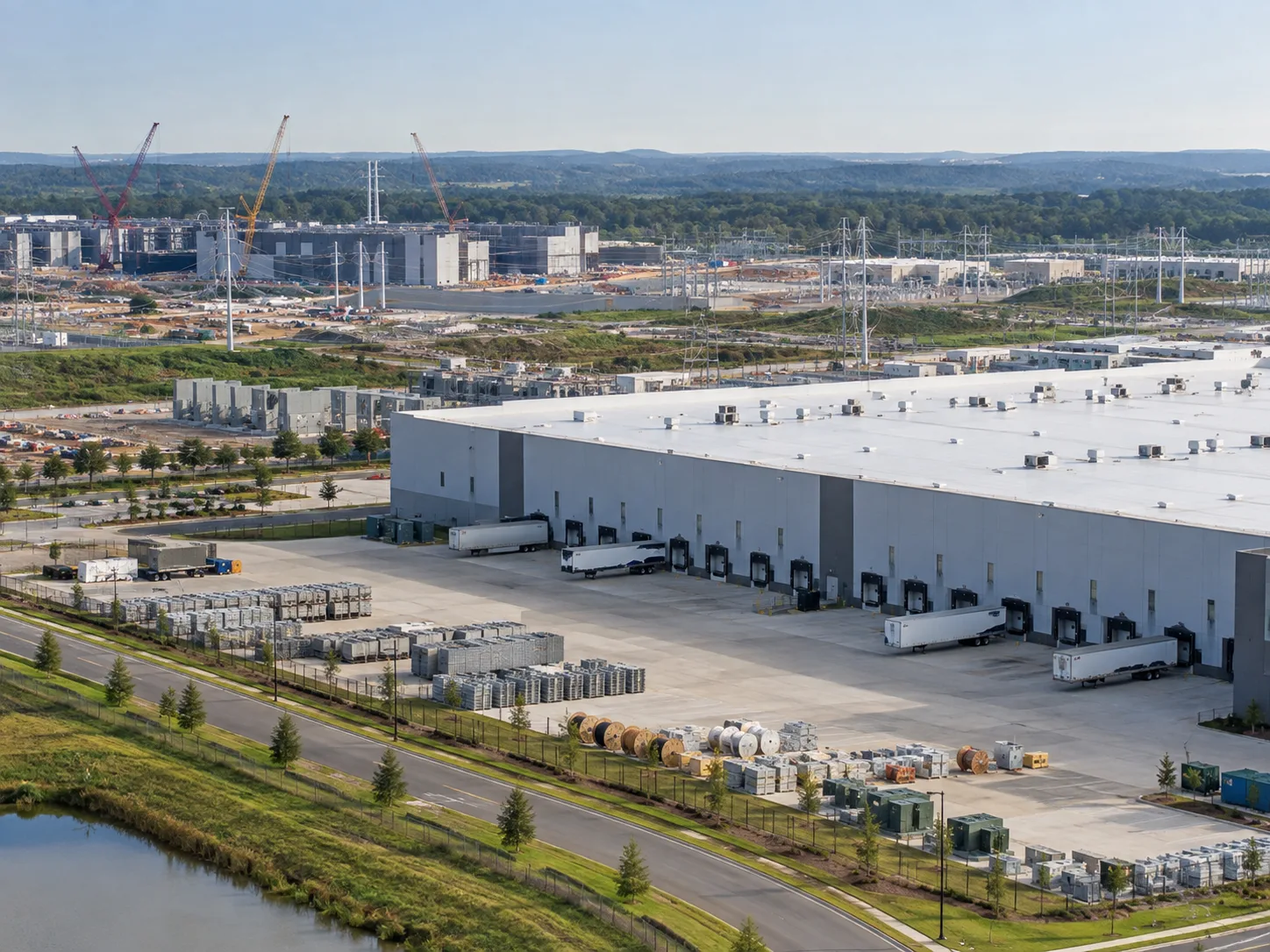
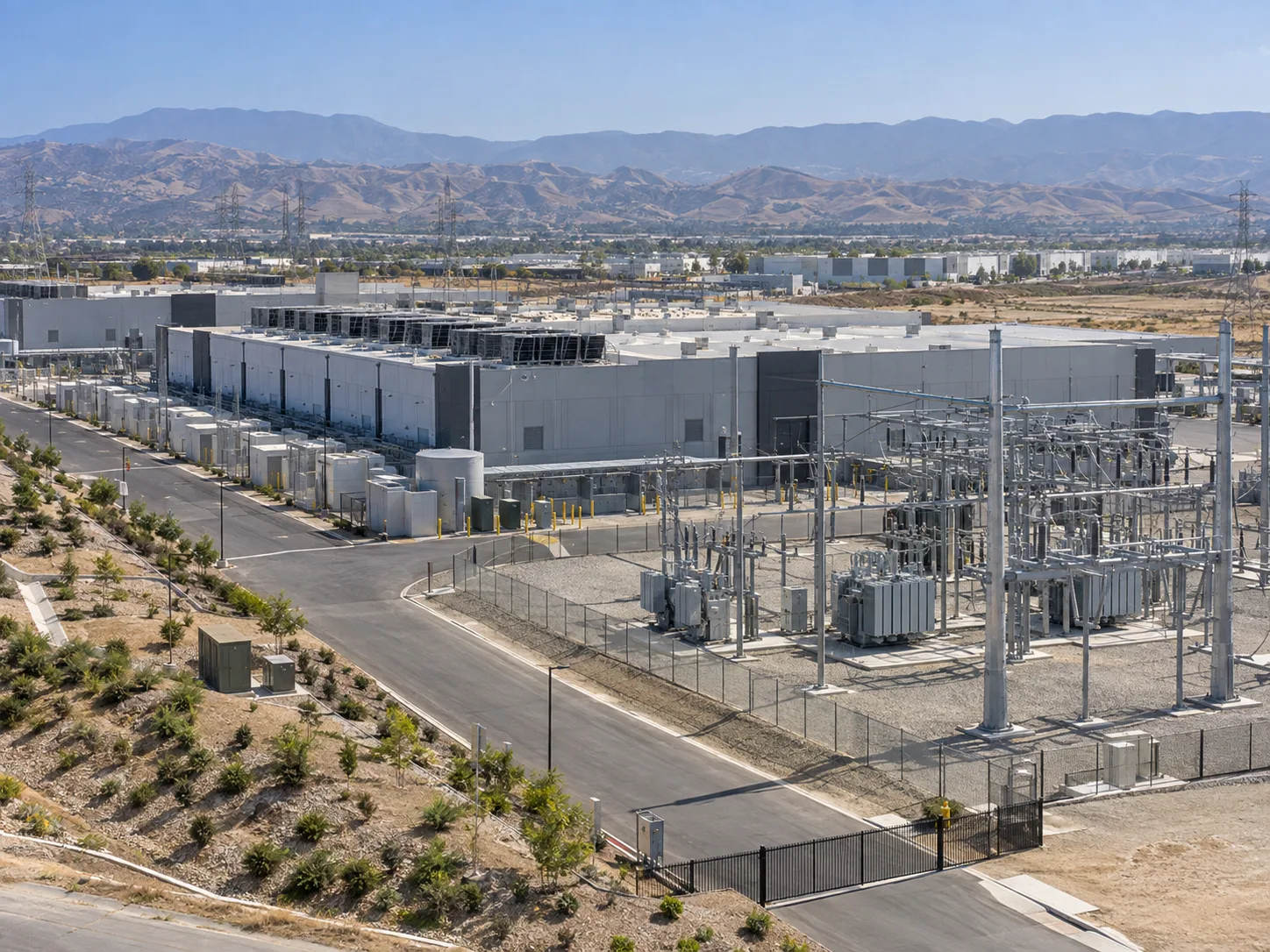
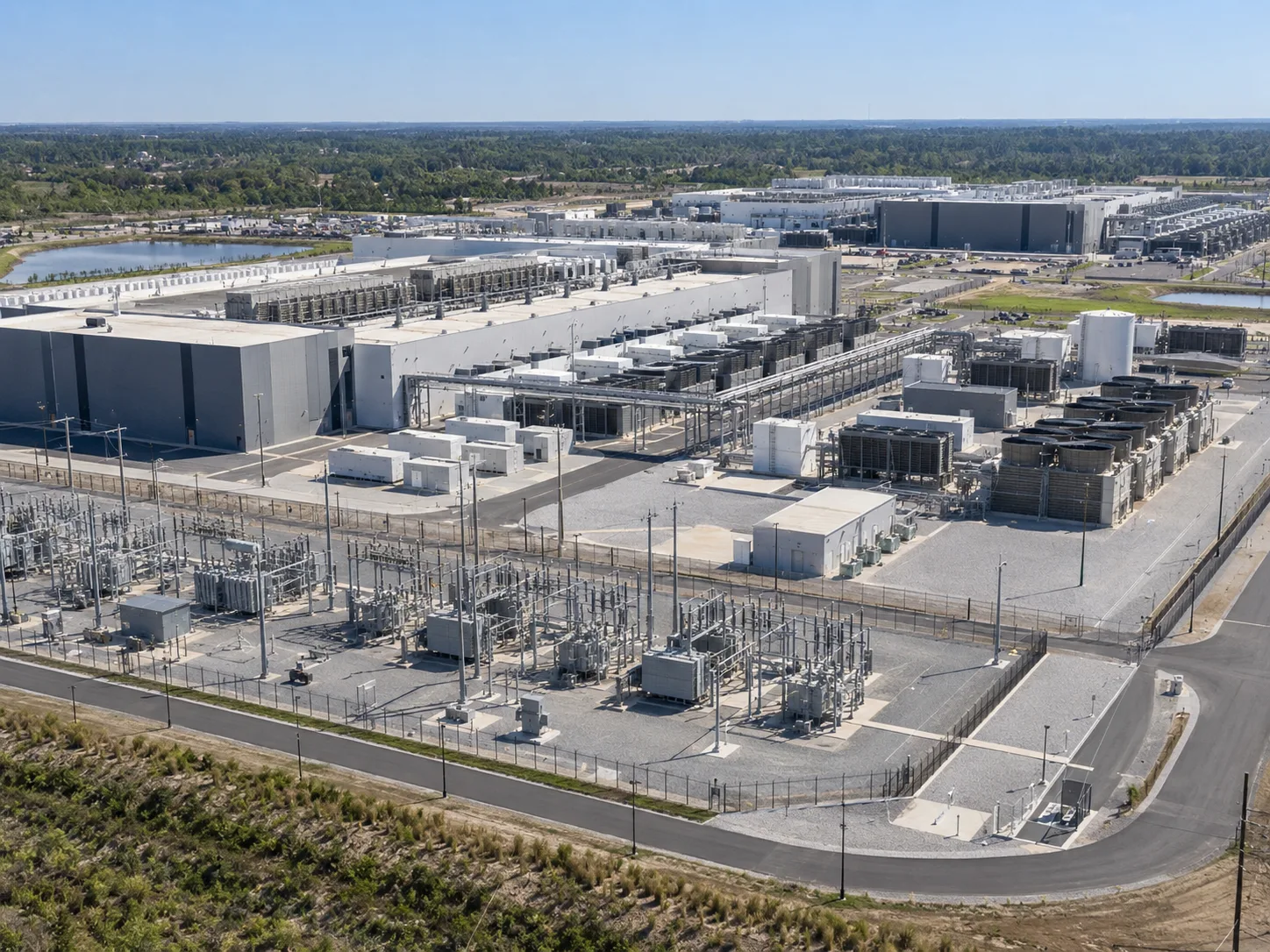
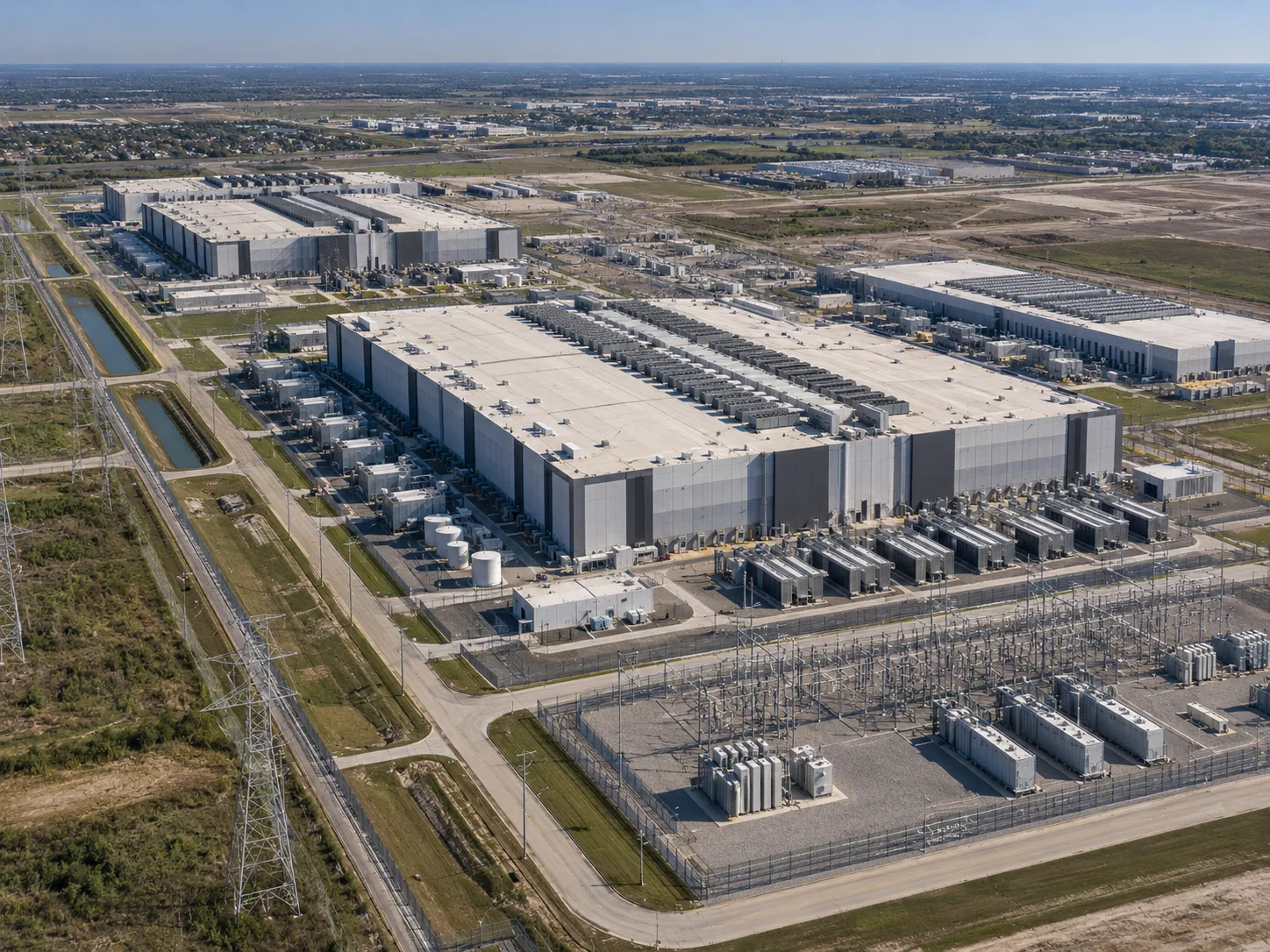
- The $27B Hyperion data center deal is the largest SPV-backed project to date.
Senators Seek Oversight on SPV Data Center Deals
Senators Elizabeth Warren, Richard Blumenthal, Chris Van Hollen, and Tina Smith urged Treasury Secretary Scott Bessent to investigate data center capital markets, per Bisnow. In a letter released Thursday, they raised concerns over the use of special purpose vehicles (SPVs) to fund massive data infrastructure projects. They highlighted the sector’s rapid growth and warned that unchecked financing models could pose systemic risks.
The senators asked the Financial Stability Oversight Council (FSOC) to assess potential threats to the broader economy. They pointed to JLL estimates showing data centers may need $870B in debt financing to meet global digital infrastructure demand. With developers and tech firms turning to nontraditional funding, lawmakers want federal regulators to scrutinize these deals more closely.
Why the Data Center Capital Markets Matter
Lawmakers flagged Meta’s $27B Hyperion project in Louisiana as a case in point. The deal involved Blue Owl Capital and Pimco using an SPV structure to keep debt off Meta’s balance sheet. Senators warned that this method might hide real debt levels and promote excessive risk-taking in the sector.
In that deal, Blue Owl supplied $7B in equity. Pimco issued $27B in bonds backed by the data center’s assets. Lawmakers fear that if AI market growth slows, these layered capital stacks could collapse, forcing taxpayers to cover the fallout.
Regulatory Uncertainty and Next Steps
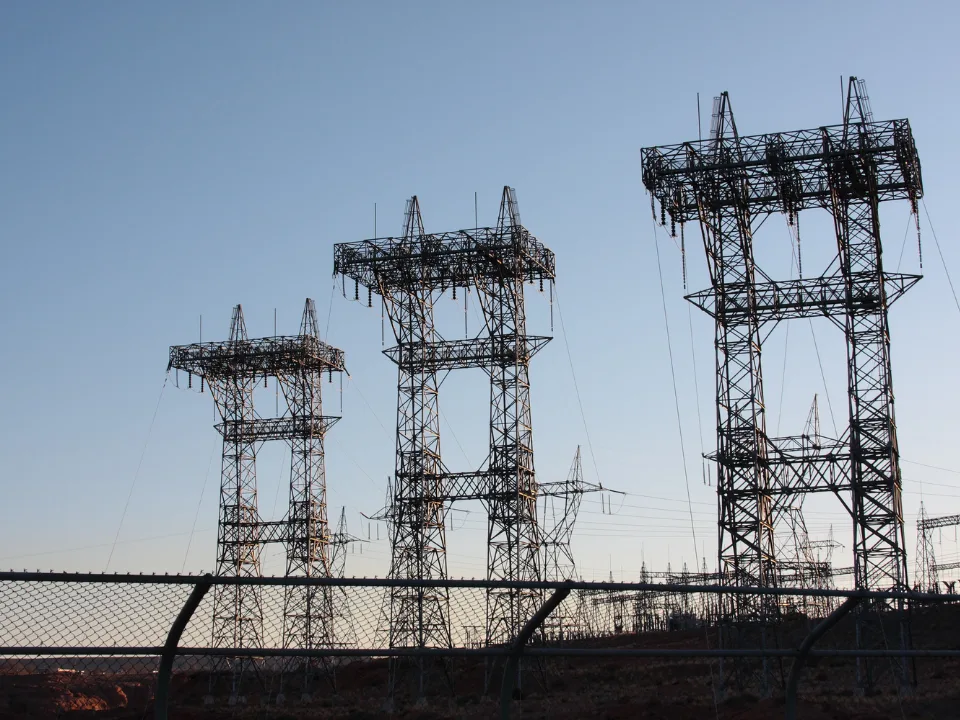
The senators’ call for oversight comes as SPV-backed deals gain traction across the data center space. They want FSOC to gather exposure data from banks and investors funding these projects and to act if new financial threats emerge. Their push follows growing concerns over the broader impact of rapid data center expansion, including its strain on regional energy grids and rising utility costs tied to high-density computing infrastructure.
In December, the same group raised concerns about consumers potentially facing higher energy bills due to data center expansion. Now, they’re shifting their focus to financial risk. With AI fueling demand, data center capital markets continue to grow quickly, raising alarm in Washington.
Get Smarter about what matters in CRE
Stay ahead of trends in commercial real estate with CRE Daily – the free newsletter delivering everything you need to start your day in just 5-minutes