







- New York proposes exemptions to environmental reviews for most housing projects.
- Seqra reviews can currently add up to two years and significant costs to developments.
- The reforms target both market-rate and affordable housing built on non-sensitive land.
- If approved, new rules would still protect air, water, and key environmental areas.
Policy Shift for Housing Supply
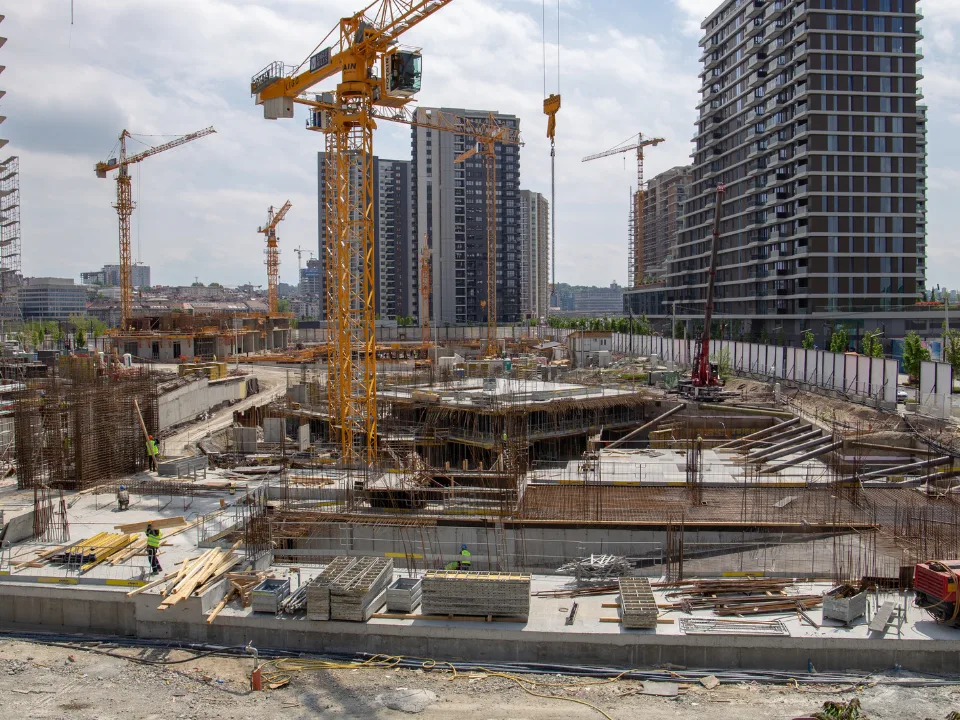
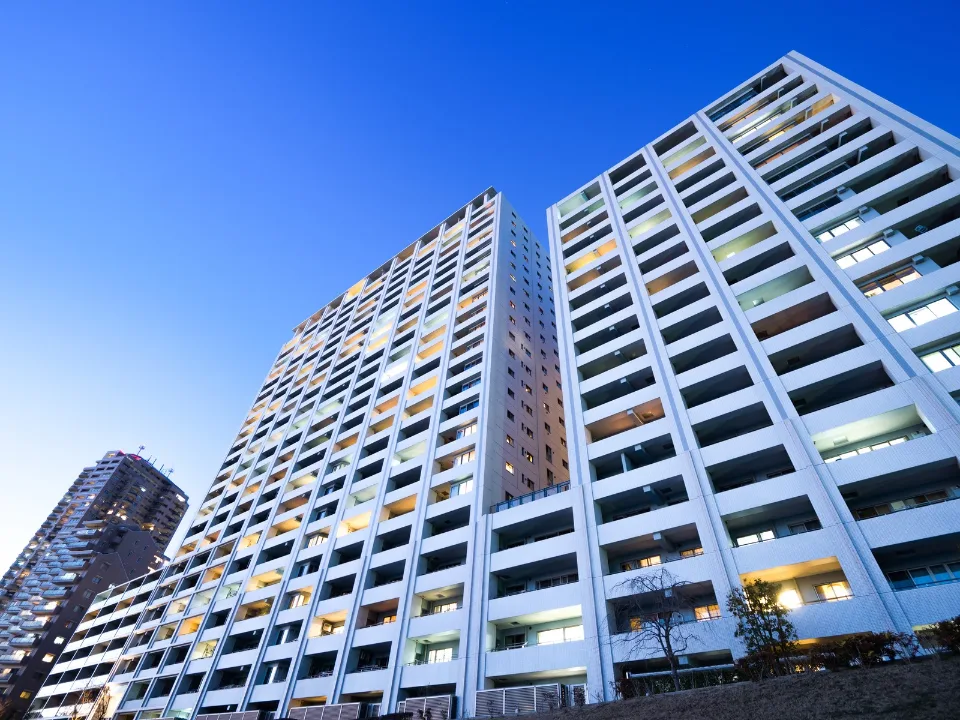
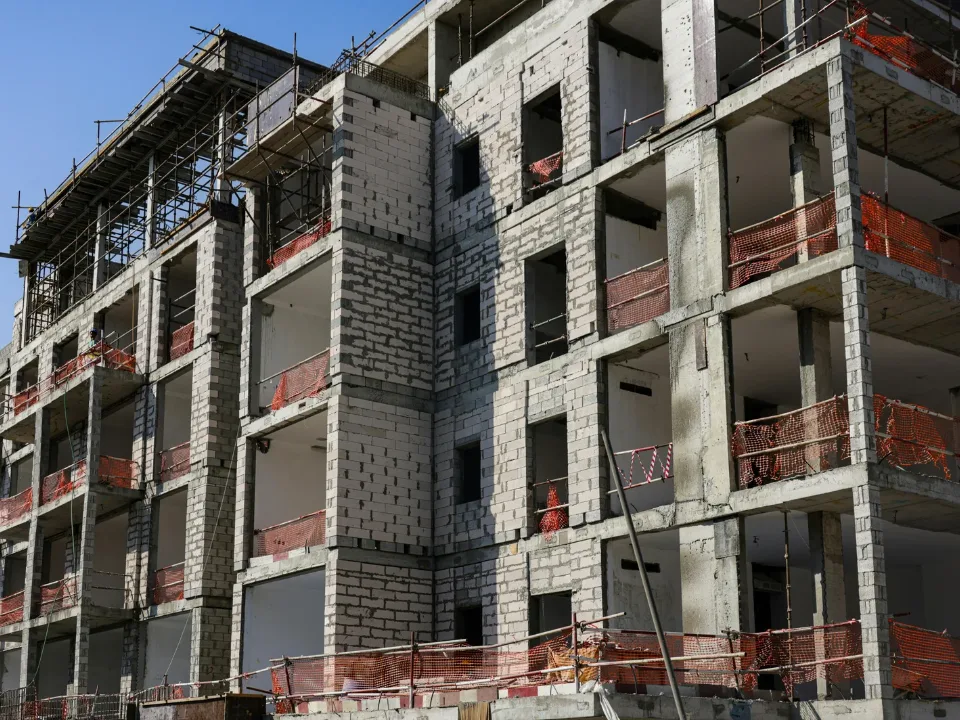
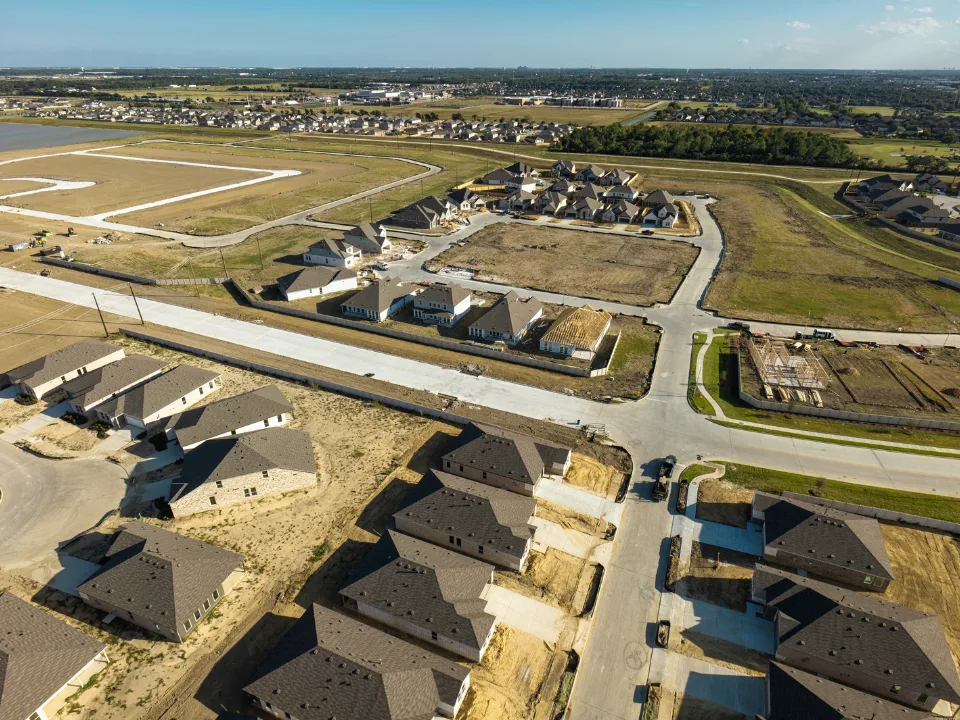
The WSJ reports that New York State is moving to relax strict environmental rules for new housing. The goal is to fight high living costs and accelerate construction. Governor Kathy Hochul has proposed major reforms to the State Environmental Quality Review Act (Seqra). This law currently mandates lengthy environmental studies for new developments.
The changes would exempt most new housing projects from Seqra review. This aims to speed up approvals and reduce upfront expenses. The reforms address long-standing concerns that the process delays projects and inflates costs. These issues have slowed efforts to close the state’s 800,000-unit housing gap.
Seqra Reviews: Cost and Timeline Impacts
Seqra has been in place since the 1970s and covers a wide range of development—from housing to infrastructure. According to the Citizens Budget Commission, these reviews typically raise housing project costs by 11% to 16%. They can also stretch timelines by two years or more.
Some projects have remained stalled for nearly a decade due to litigation. Data from the governor’s office shows that more than 1,000 housing projects faced extensive Seqra scrutiny in the past ten years. Often, these reviews found no significant environmental impact.
The law has also been used to delay projects for reasons unrelated to environmental risks. That includes opposition to new development in established neighborhoods.
Get Smarter about what matters in CRE
Stay ahead of trends in commercial real estate with CRE Daily – the free newsletter delivering everything you need to start your day in just 5-minutes
Key Elements of the Proposed Reform
If the reforms pass, market-rate and affordable housing on previously developed non-sensitive lands would be largely exempt from Seqra. Additional carve-outs are expected for green infrastructure and child-care centers. For any projects still undergoing review, a two-year maximum timeline would be imposed.
Environmental rules protecting air and water quality and sensitive areas will remain in effect. The carve-outs reflect a targeted approach rather than a rollback of all safeguards, according to the governor’s office.
Looking Ahead in the Housing Debate
New York joins California and other states reconsidering environmental rules to support new housing supply. Hochul’s plan is part of a wider “Let Them Build” housing push and will be debated as part of the state budget process beginning in April. The shift echoes recent federal-level discussions around expediting large-scale project approvals, reflecting a broader policy trend aimed at reducing permitting bottlenecks. Though industry and advocacy groups see potential for faster project delivery, some environmental advocates are voicing early concerns about the scope of these changes.
The environmental rules reforms represent a major policy shift as housing affordability takes center stage for voters and lawmakers in 2026.