






- The South dominated new construction in 2025, with Texas leading the way in both affordable and luxury rental options.
- Washington, D.C. topped livability rankings and saw the most new downtown apartments added nationwide.
- New York and Chicago remained highly competitive, with low vacancy rates despite robust apartment construction and adaptive reuse projects.
- Gen Z gravitated to affordable, career-friendly metros, with Ann Arbor, MI, and Bozeman, MT, standing out as top spots for grads and students.
2025 in Review: A Rental Market Full of Shifts
If you searched for a rental this year, chances are it didn’t feel easy. Between record demand, shifting affordability, and a surge of new development in some regions, 2025 delivered a mixed bag for US renters. RentCafe’s year-end report highlights what shaped the market in major metros and what renters can expect next.
D.C. Claims the Crown
Washington, D.C. emerged as the most livable metro in 2025, thanks to a wave of new housing downtown and a robust job market. Since 2020, the city has added nearly 23,000 downtown apartments—about 80% of all new units in the area. It’s also among the top cities for office-to-apartment conversions, with over 6,500 new units in progress.
D.C. didn’t just top the livability charts—it also drew the most interest from apartment hunters in 2025, with online engagement on RentCafe leading all other metros.
Texas and the Sun Belt: Building Big, Renting Smart
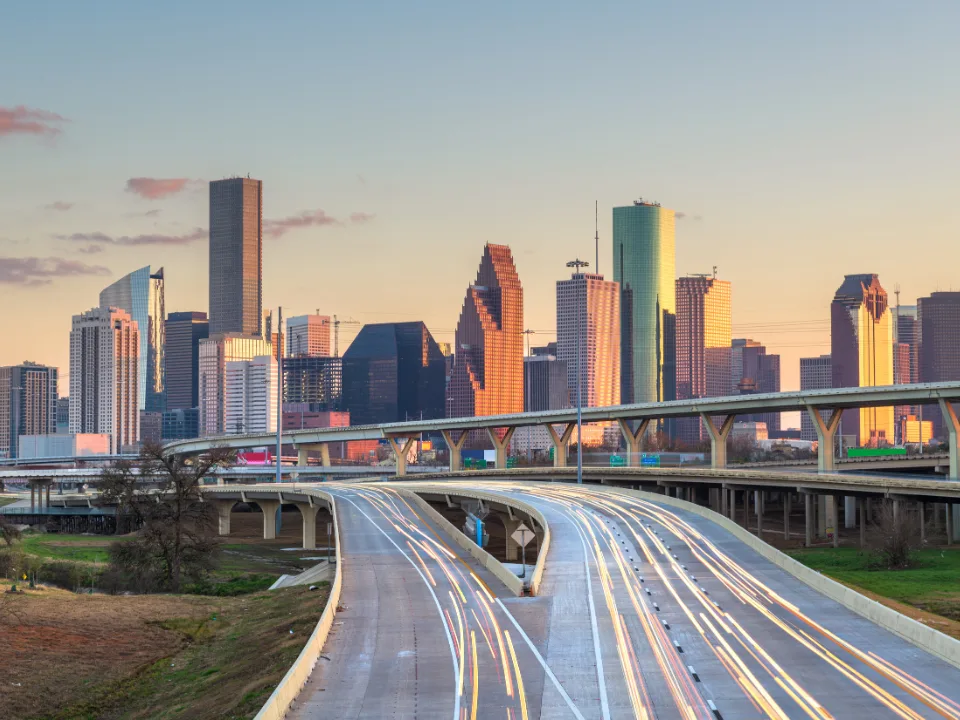
Texas cities—Austin, Dallas, and Houston—led the nation in apartment construction, helping the South claim more than 50% of all new US rental units in 2025.
Austin stood out as the #1 “luxury-for-less” hotspot, with 12 ZIP codes offering upscale apartments at below-average rents. Statewide, Texas accounted for 44 of these budget-friendly luxury ZIPs, more than double any other state.
Meanwhile, suburbs like McKinney, TX were named among the best cities for renters due to their blend of affordability and quality of life.
New York: High Stakes, Low Vacancy
Renting in Manhattan became tougher than ever, as more workers returned to the office and lease renewals soared. While New York led the nation in new apartment deliveries and adaptive reuse—with 8,310 office-to-apartment conversions on the way—competition remained steep.
Still, small wins matter: average unit sizes in Queens grew by nearly 40 SF over the past decade, a rare luxury in NYC.
Get Smarter about what matters in CRE
Stay ahead of trends in commercial real estate with CRE Daily – the free newsletter delivering everything you need to start your day in just 5-minutes
Midwest: Affordable, Attractive, and Growing
Chicago took the lead for adaptive reuse, surpassing even Manhattan in the number of repurposed buildings turned into rentals. About 63% of the city’s post-2020 apartments were added downtown, signaling strong urban investment. The city also matched coastal hubs in rental demand, continuing to rank among the most competitive markets in the country. Several mid-sized metros in the region are also drawing attention for their growing popularity among younger renters, thanks to affordability and career access.
The broader Midwest also saw rising appeal:
- Kansas City, MO and Cincinnati, OH landed in the top three metros for renter engagement.
- Sioux Falls, SD was ranked the best Midwest city for renters.
- Suburban areas in the Twin Cities saw the fastest increase in rental competition nationwide.
Florida & the Sun Belt: Hot Weather, Hotter Markets
Miami reclaimed its spot as the most competitive rental market in the US, with tight supply and rapid leasing. Across the region, cities like Port St. Lucie, FL, and Fayetteville, AR, emerged as rising stars.
For renters seeking space, Tallahassee and Gainesville offered some of the largest new apartments nationwide.
Gen Z Preferences: Chill Vibes, Career Launchpads
In 2025, Gen Z renters prioritized affordability, flexibility, and career access:
- Bozeman, MT remained the #1 college town for its mix of cost, livability, and outdoor access.
- Ann Arbor, MI was ranked the best metro for recent grads, offering a strong job market and laid-back environment.
Despite the Northeast’s concentration of top schools, high living costs kept it off the list of best college towns and post-grad destinations.
Looking Ahead: What’s Coming in 2026
With hundreds of thousands of new units expected to come online—many from adaptive reuse—renters will likely see more inventory and housing variety in 2026. However, high-demand metros like Miami, New York, and Chicago will remain competitive.
For renters, speed and information will be key. Staying updated on construction trends, local availability, and price shifts will help renters secure the best deals in an increasingly fast-moving market.
Bottom Line
2025 proved that while the US rental market is evolving quickly, location still drives the experience. Whether you’re chasing career opportunities, more space for your dollar, or a better quality of life, the data shows there’s no one-size-fits-all answer—just smart choices depending on where (and how) you want to live.