







- Senior housing led all NCREIF-tracked asset classes in Q3 2025, with total returns of 2.88% and a 7% year-to-date gain.
- Independent living continued to outperform assisted living, benefiting from leaner operations and stronger margins.
- Tight supply and surging demand pushed occupancy to multi-year highs, with new construction activity at its lowest point in over a decade.
- Over the past year, senior housing posted a 9.21% total return — the highest among major property sectors.
Demand And Discipline Drive Returns
Senior housing has emerged as the standout performer in commercial real estate this year, reports GlobeSt. According to new figures from the National Investment Center for Seniors Housing & Care (NIC), the sector has delivered the strongest investment returns among all property types tracked by NCREIF. This performance is fueled by healthy fundamentals and limited new development.
Senior housing posted a 2.88% Q3 return, more than twice the 1.22% gain from the broader NCREIF index. That lifted its 2025 year-to-date return to 7%, making it the top-performing CRE asset class so far this year.
Independent Living Leads The Pack
Within the sector, independent living continues to edge out assisted living. In Q3, independent living generated a 3.11% return compared to 2.66% for assisted living. NIC credits this gap to more favorable operating margins — largely due to lower staffing requirements in lower-acuity care settings.
Get Smarter about what matters in CRE
Stay ahead of trends in commercial real estate with CRE Daily – the free newsletter delivering everything you need to start your day in just 5-minutes
Occupancy Reaches Post-COVID Highs
Occupancy levels rose again in Q3, with independent living climbing above 90% and assisted living nearing 87%. The number of occupied units set a new record, while inventory growth slowed to its lowest rate in nearly two decades.
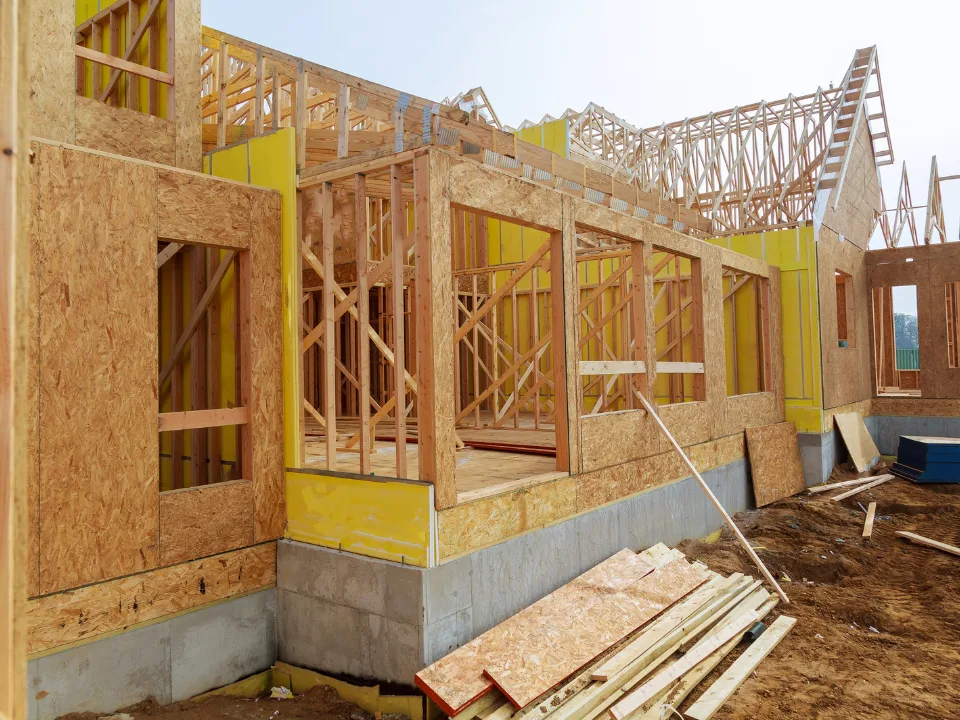
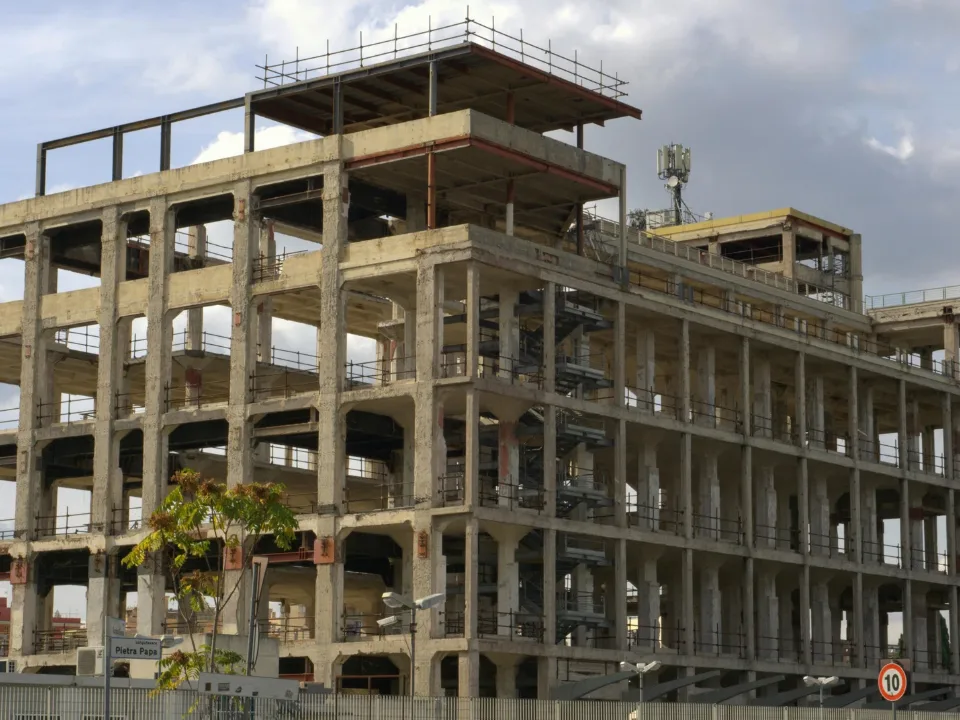
Supply constraints are playing a key role. The number of units under construction has dropped to the lowest level since 2012, putting upward pressure on rents and occupancy and boosting investor returns. NIC expects these market dynamics to push occupancy even higher through 2026.
Strong Track Record Attracts Capital
Senior housing has also delivered strong long-term performance. For the 12 months ending Q3, the sector returned 9.21%, beating every other major property type by a wide margin. Since it was added to the NCREIF index in 2003, about 60% of its returns have come from income — underscoring its stability in volatile markets.
The sector has expanded its institutional footprint as well, growing from just 56 tracked properties in 2003 to over 200 today.
Outlook: Tailwinds Continue Into 2026
With aging demographics driving demand and construction activity still muted, senior housing appears well-positioned for further growth. Investors are taking notice — particularly as other property types face headwinds from higher borrowing costs and slowing fundamentals.
As occupancy levels trend higher and supply remains limited, senior housing may continue to offer a rare combination of stability, yield, and growth in an otherwise uneven CRE landscape.