




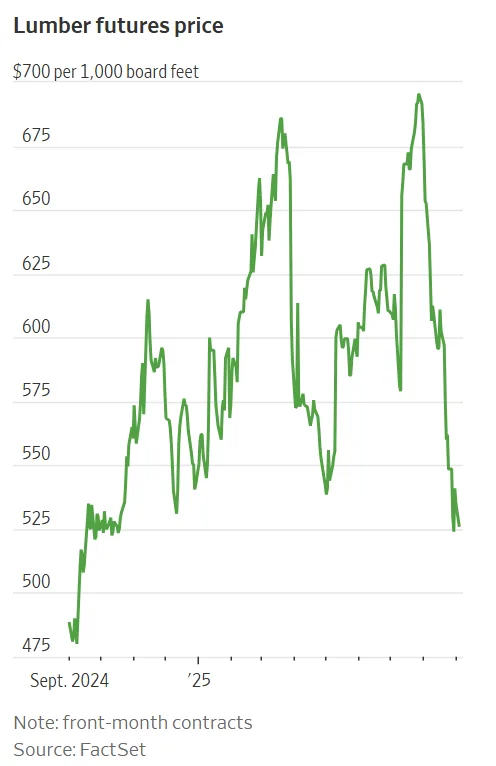
- Lumber prices hit a 52-week low of $526.50 per thousand board feet on September 1, marking a 24% decline since early August.
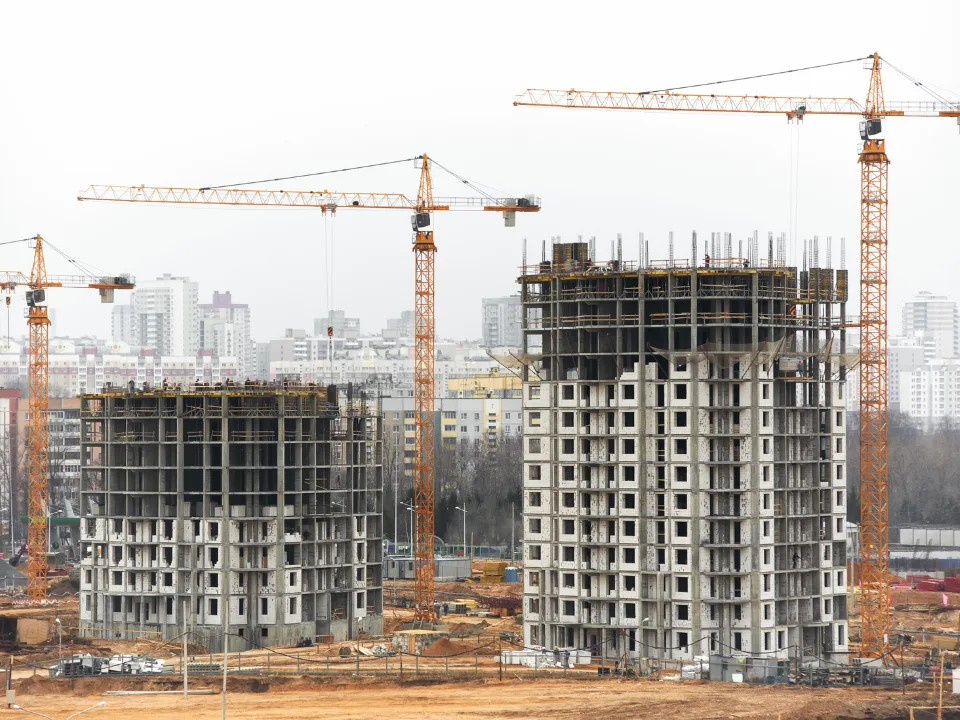
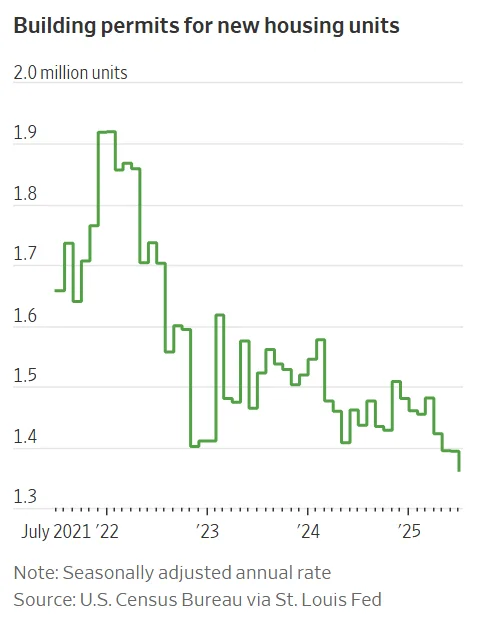
- The drop signals slowing home construction and broader economic caution, with producers now scaling back output in response.
- Ongoing US-Canada softwood lumber trade tensions and shifting tariff policies have added volatility to already weakened demand.
Demand Slump Hits Lumber Market
According to Globe St, lumber prices have fallen sharply in recent weeks, reflecting weakening demand in the US housing market. On September 1, lumber futures dropped to $526.50 per thousand board feet, the lowest level in a year and down 24% from early August’s peak, according to Markets Insider.
The price correction follows a build-up in supply earlier this year as producers prepared for anticipated tariff hikes on Canadian softwood—hikes that came later and more erratically than expected. The Biden administration raised Canadian softwood duties from 15% to 35% in August but has sent mixed signals over further action, fueling price swings.
Supply Overshoots Demand
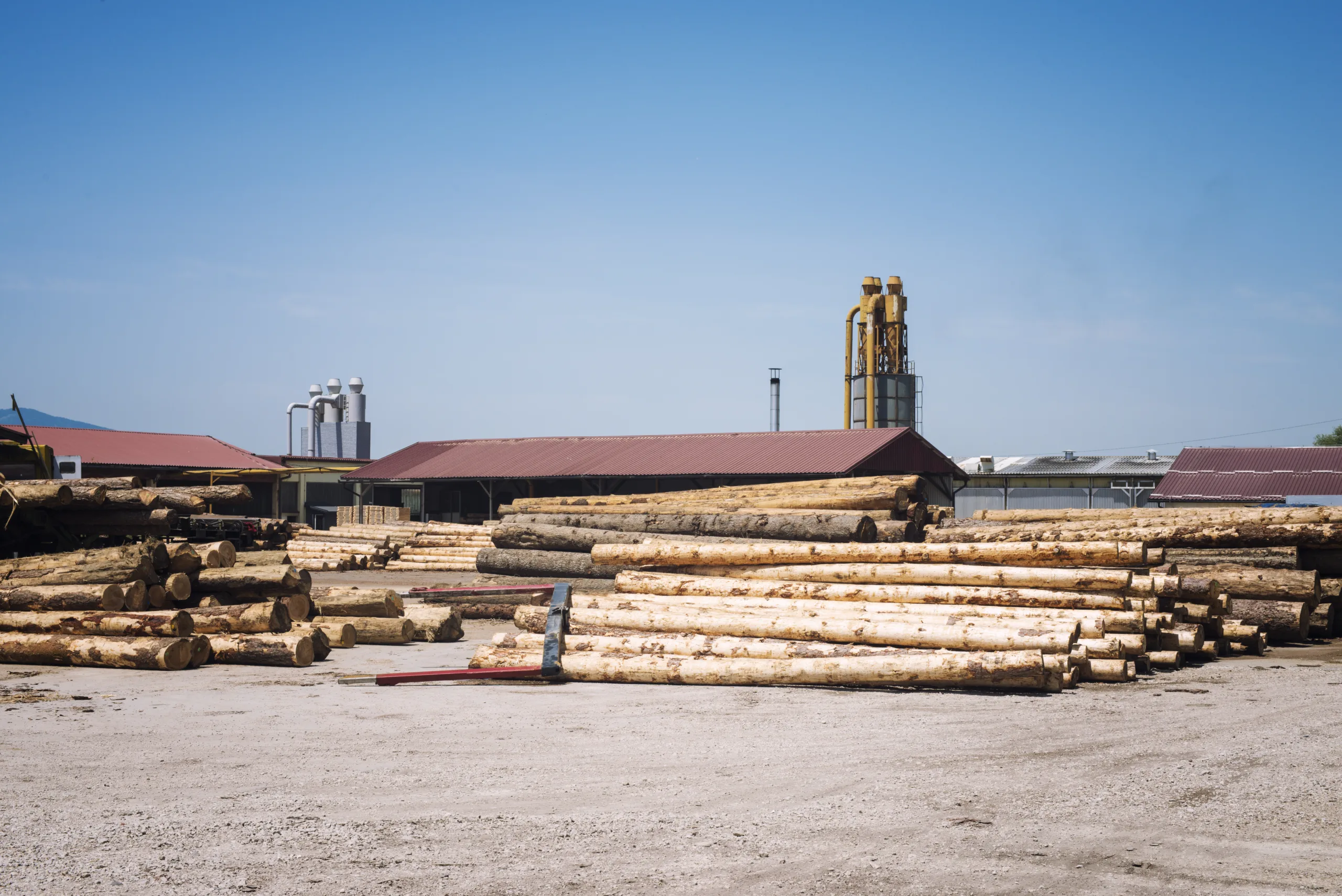
Lumber suppliers may have overestimated demand. “There is easily enough wood on the ground in the US to cover several months of anticipated fall demand,” said Matt Layman, publisher of Layman’s Lumber Guide, in an interview with The Wall Street Journal.
This miscalculation, paired with high interest rates and slowing housing starts, has led to oversupply. Residential fixed investment—largely homebuilding—accounted for 4% of US GDP in 2024, making lumber a strong economic bellwether.
Industry Responds with Production Cuts
Major producers are adjusting course. Interfor, one of North America’s top lumber firms, announced plans to cut production by 12% due to “persistently weak market conditions.” Analysts anticipate more cuts across the industry if demand doesn’t rebound.
Truist Securities’ Michael Roxland expects more curtailments, especially if economic uncertainty continues through the end of the year.
Tariff Tensions Add to Instability
Trade tensions between the US and Canada remain a wildcard. The recent jump in tariffs on Canadian softwood has revived long-standing disputes and is contributing to market uncertainty. The White House is also reportedly weighing broader tariffs on imported lumber, similar to its moves on steel, aluminum, and copper.
Any further policy shifts could rattle markets already struggling with excess inventory and dampened demand.
Get Smarter about what matters in CRE
Stay ahead of trends in commercial real estate with CRE Daily – the free newsletter delivering everything you need to start your day in just 5-minutes
Why It Matters
Lumber is more than a commodity—it’s a proxy for housing market health and broader economic trends. Its price movements often precede slowdowns in construction and consumer confidence. The current downturn raises concerns not just for the lumber industry, but for residential development, supply chains, and trade policy.
What’s Next
Unless demand rebounds, more mill closures and price instability are likely heading into Q4 2025. Developers, builders, and suppliers will be watching closely for policy moves from Washington and signs of recovery in housing starts before making long-term decisions.