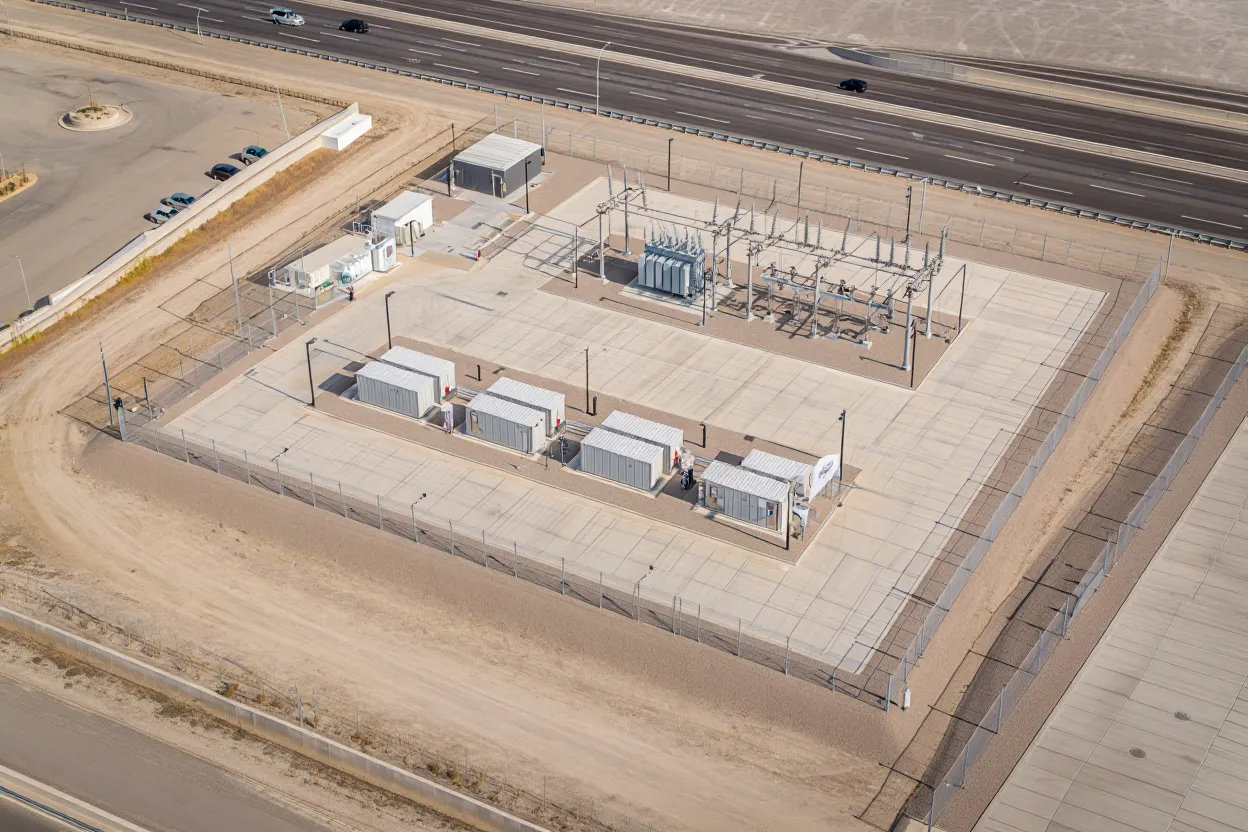




Private Credit Cracks Could Redirect Capital Back to CRE
As risks in private credit come into focus, investors are increasingly eyeing real estate for stability and income.

Nina Dale
March 18, 2026
Together with

Good morning. Private credit’s recent cracks are doing more than rattling investors—they’re quietly sending capital back toward CRE.
Today’s issue is sponsored by Bullpen—unlock the dirty details behind development comp, including promote structures firms rarely share.
🎙️Must Listen: Michael Cohen, Principal at Williams Equities, shares lessons from nearly a century of Manhattan real estate and what’s next for the city’s market.
CRE Trivia 🧠
Which U.S. city has hosted the most NCAA Final Four games?
(Answer at the bottom of the newsletter)
Market Snapshot
|
|
||||
|
|
*Data as of 3/17/2026 market close.
Credit Cracks
Private Credit Cracks Could Redirect Capital Back to CRE
Stress in private credit markets is exposing risks—and potentially accelerating a capital shift back into commercial real estate.
Under pressure: A dispute between Western Alliance and Jefferies over a $337M loan tied to bankrupt First Brands is exposing banks’ private credit risks, with shares sliding amid growing concerns over opaque SPV structures.
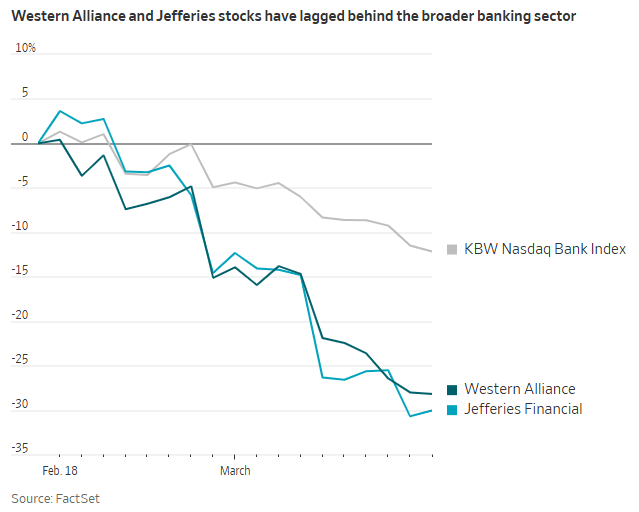
Why it matters: Banks have built up roughly $300B in exposure to private credit, often through indirect channels like fund financing and SPVs. That opacity is starting to rattle investors, particularly as bank stocks slide and broader macro pressures cloud the outlook.
Capital rotation begins: Early signs of a shift are emerging. After falling from $33.2B in 2022 to $5.7B in 2025, non-traded REIT inflows are rising again, with Blackstone’s BREIT posting its strongest inflows since 2022.
Regaining appeal: CRE values remain about 22% below their 2022 peak, creating a more attractive entry point for investors. Amid rising market volatility, real assets are regaining favor as a diversification tool, especially in income-producing sectors like multifamily, industrial, and data centers.
Yield vs. risk recalibration: Private credit’s high-yield appeal is now being weighed against liquidity, transparency, and downside risks. As redemptions rise and scrutiny grows, institutional investors are reassessing allocations, with some already rotating into income-producing real estate.
➥ THE TAKEAWAY
Proceed with caution: Private credit turmoil is creating an opening for CRE, but any meaningful rebound will be gradual—hinging on interest rate stability, clearer pricing, and continued investor selectivity toward top-tier assets.
TOGETHER WITH BULLPEN
The Dirty Details Behind Development Comp
Most compensation conversations in CRE focus on base and bonus.
But the real inflection point happens at Manager—when promote participation enters the mix.
That’s where comp shifts from linear to exponential, with senior professionals earning 10%+ promote on deals.
We analyzed real compensation data across six markets, including promote structures most firms don’t publish.
Access the full report below.
*This is a paid advertisement. Please see the full disclosure at the bottom of the newsletter.
✍️ Editor’s Picks
-
Opportunity advantage: Finding deals first is becoming a competitive edge. DealGround's AI helps teams identify and act on deals faster. (sponsored)
-
Capital surge: U.S. equity REITs tripled capital raising in February, signaling a sharp rebound in investor appetite and improved access to public markets.
-
Longevity wealth: Americans aged 90+ now hold record levels of real estate wealth in 2025, underscoring how longevity and homeownership are reshaping asset concentration.
-
Ditch the spreadsheets: AscendixRE replaces scattered spreadsheets with a CRE-focused CRM where brokers can manage contacts, track deals, and maintain a clear view of their pipeline. (sponsored)
-
Loan engine: Freddie Mac’s Small Balance Loan program continues to anchor multifamily financing liquidity, especially for workforce housing and smaller borrowers.
🏘️ MULTIFAMILY
-
Reg reform: New executive orders aim to cut housing regulations, speeding development while raising oversight concerns.
-
Scale bet: Harbor Group International’s $562M, 11-asset acquisition underscores continued institutional confidence in multifamily.
-
Split market: The U.S. rental market is increasingly bifurcated, with a handful of cities nearing rent highs while others soften under supply pressure.
-
Digital rent: Fintech firms are targeting the $1T rent payment market, betting on digital platforms to modernize how tenants pay and landlords collect.
🏭 Industrial
-
Power yards: Electrified industrial outdoor storage (EIOS) is emerging as a niche asset class, driven by EV fleets and demand for powered logistics space.
-
Factory build: A $200M data center factory in Brighton signals continued expansion of digital infrastructure and construction capacity.
-
Strike risk: Drone attacks on data centers abroad highlight growing geopolitical and physical security risks for global tech infrastructure.
🏬 RETAIL
-
Service shift: CRE is tilting toward service-oriented tenants as experiential and labor-driven businesses take a larger footprint.
-
Covenant reset: Relaxed grocery lease covenants could spur more competition and reshape retail leasing dynamics.
-
Redevelopment play: A grocery store closure in D.C.’s H Street corridor is paving the way for a major retail redevelopment.
-
Retail's future: Retail real estate’s future will favor landlords and operators using AI to optimize leasing, operations, and customer experience.
🏢 OFFICE
-
Trophy tower: Bank of America leased the full office tower at One Bryant Park, signaling renewed demand for trophy NYC office space.
-
AI expansion: OpenAI is growing its footprint with another Mission Bay lease, deepening its presence in San Francisco.
-
Space squeeze: L.A. medical office landlords face rising competition as traditional office buildings pivot to healthcare tenants.
🏨 HOSPITALITY
-
Resilience test: Higher gas prices may not curb travel demand, but broader cost-of-living pressures could.
-
Fee friction: Confusion over visa fees is emerging as a hurdle for international visitors ahead of the World Cup.
A MESSAGE FROM NATIONAL FLOOD EXPERTS
Flood Zones Killing Your Deals?

Refis are coming, lenders are tightening, and flood zones can derail deals.
Learn how acquisition and asset management teams are identifying flood risk early and reducing insurance costs to protect valuations.
Can't attend live? Register for the webinar and we will send you the presentation on-demand.
*This is a paid advertisement. Please see the full disclosure at the bottom of the newsletter.
📈 CHART OF THE DAY
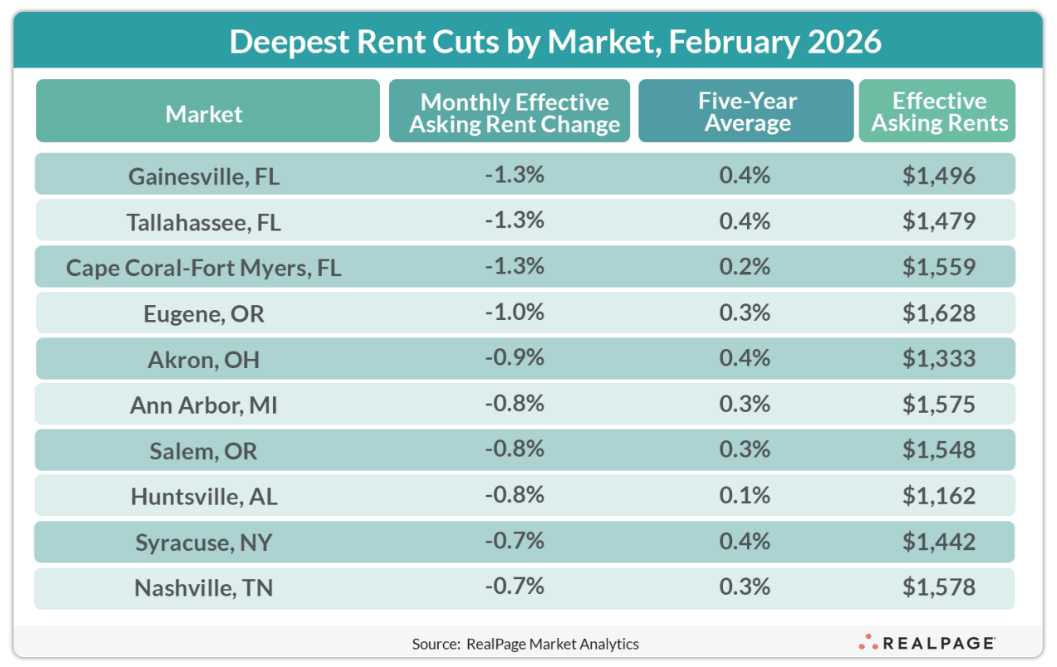
About a quarter of U.S. apartment markets saw rent cuts in February, led by Florida metros, despite a slight national rent increase.
CRE Trivia (Answer)🧠
Kansas City holds the record, having hosted the Final Four 10 times.
More from CRE Daily
-
📬 Newsletters: Stay ahead of the market with local insights from CRE Daily Texas and CRE Daily New York.
-
🎙️Podcast: No Cap by CRE Daily delivers an unfiltered look at the biggest trends—and the money game behind them.
-
🗓️ CRE Events Calendar: The largest searchable calendar of commercial real estate events—filter by city or sector.
-
📊 Market Reports: A centralized hub for brokerage research and market intelligence, all in one place.
-
📈 Fear & Greed Index: A fully interactive sentiment tracker on the pulse of CRE built in partnership with John Burns Research & Consulting.

You currently have 0 referrals, only 1 away from receiving Multifamily Stress Test Model.
What did you think of today's newsletter? |