



- Warehouse rents turn negative or flat in nearly all US regions and size categories.
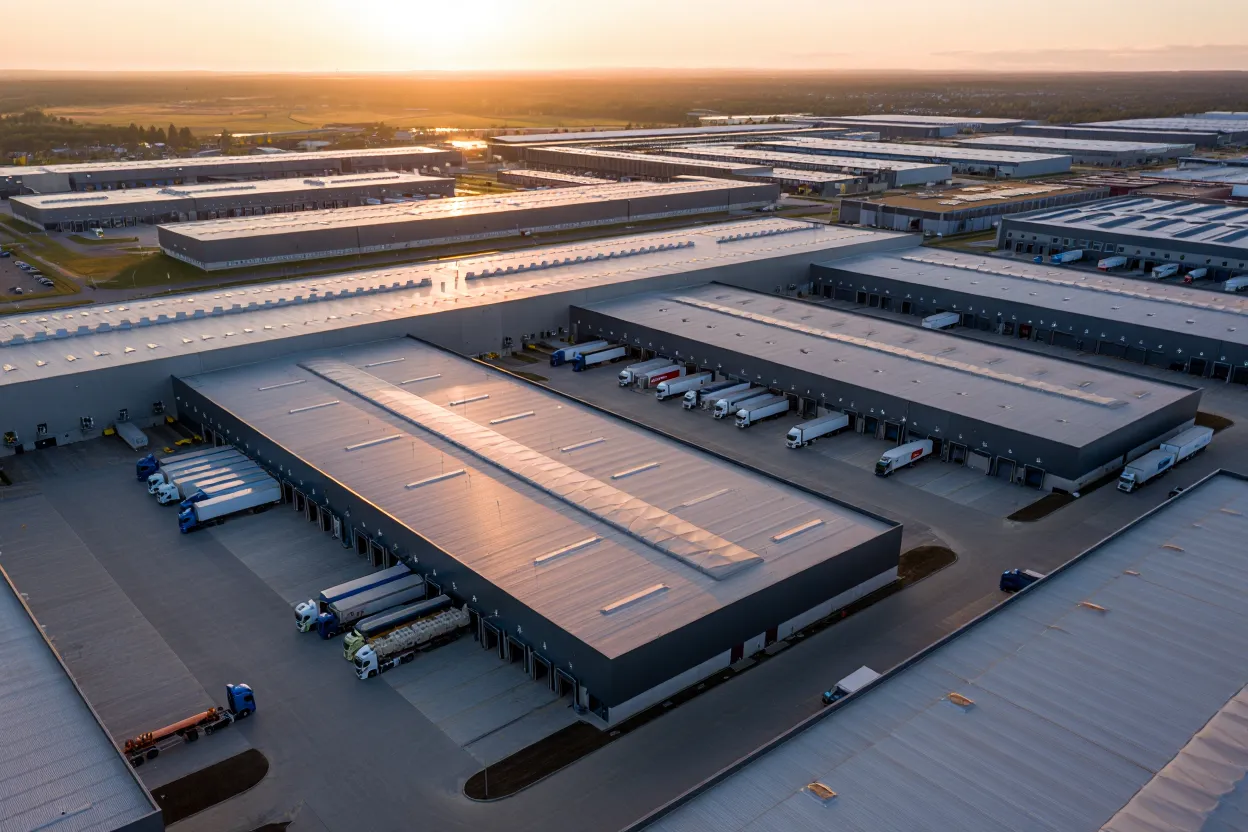
- Large facilities, once growing 8.8% annually, now see rents fall by 2.7% year over year.
- Shallow-bay warehouses under 50 KSF continue to see outsized demand, with rents over 50% higher than in 2010.
Industrial Softness Emerges
According to Globe St, warehouse rents have declined or flattened across the US, marking the first widespread downturn in years for the industrial sector. CoStar reports negative or negligible asking rent growth, signaling a reversal from the sector’s recent rapid expansion.
Size Matters for Rent Growth
Rent growth for large warehouses (50 KSF and up) swung from an 8.8% compound annual increase in 2019 to a -2.7% annual change. Mid-sized properties (25-50 KSF) and smaller facilities both show dramatic slowdowns. Small-bay tenants, who have faced steep increases in recent years, are now slowing their activity amid uncertainty, causing moderating rent growth for spaces under 25 KSF.
Get Smarter about what matters in CRE
Stay ahead of trends in commercial real estate with CRE Daily – the free newsletter delivering everything you need to start your day in just 5-minutes
Regional and Segment Variation
Warehouse rents vary by region and facility size. Mountain and Northeast states see firmer rents in the largest facilities, likely due to lower new supply. In contrast, most other regions and categories face more muted growth or outright declines as new projects hit the market and tenant demand shifts to smaller spaces. In shallow-bay warehouses—buildings under 50 KSF—demand continues to surpass supply. Rents for these smaller properties are now more than 50% above 2010 levels, reflecting strong demand from local users like distributors and service businesses. This imbalance is making smaller spaces increasingly scarce across many markets, tightening availability despite broader industrial softness.
What Comes Next
Large-scale industrial leasing has slowed sharply, with fewer 1 MSF-plus deals expected until conditions improve. Mid-sized occupiers remain active, but a flood of new industrial supply and uncertainty among small businesses could continue to suppress warehouse rents in multiple markets. The warehouse rents trend highlights how demand fundamentals can shift rapidly—even in formerly high-growth sectors.