





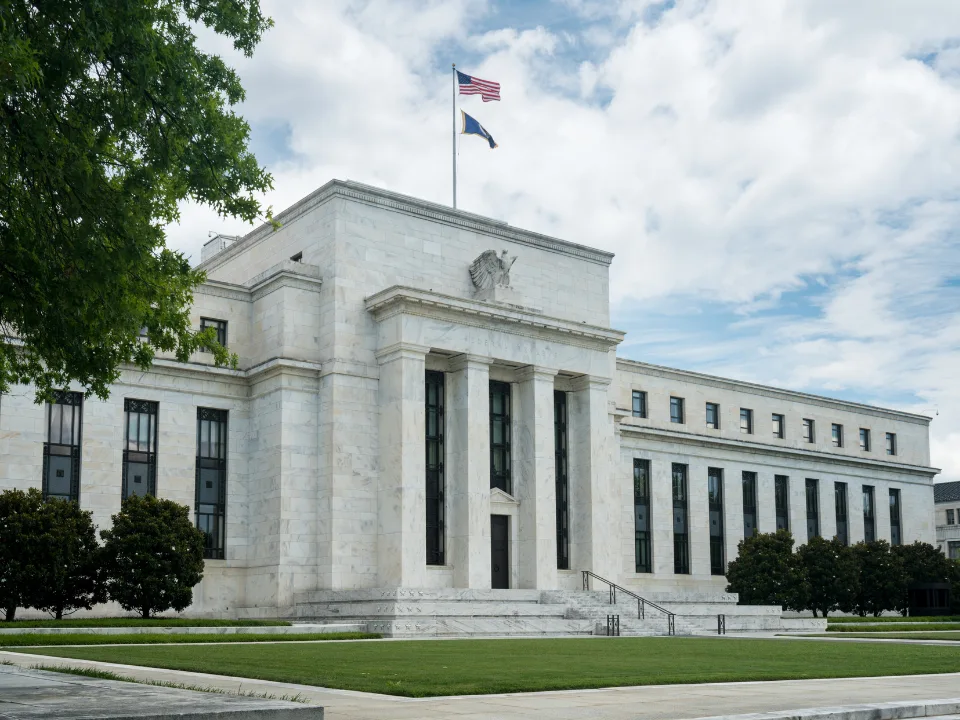
- The Fed will buy $40B a month in short-term Treasurys to support bank reserves—not to stimulate growth.
- It will keep cutting mortgage-backed securities (MBS), a move that supports higher long-term rates.
- Some analysts welcome the added liquidity, while others see the change as a sign of financial stress.
Not a Stimulus Move
Globe St reports that the Fed is ending its quantitative tightening and returning to Treasury purchases—but only short-term ones. After cutting rates by 25 basis points last week, it said it would begin buying $40B in short-term Treasurys each month. The goal is to rebuild reserves in the banking system and ease stress in funding markets.
Officials said the purchases are temporary. They plan to taper them by spring 2026. This isn’t about stimulus—it’s about keeping day-to-day lending markets stable.
Recent jumps in short-term rates like SOFR and TGCR raised concerns. The Fed hopes more liquidity will calm these swings and support smooth trading.
No Help for Real Estate Yet
While banks may get relief, the real estate market won’t. The Fed will keep shrinking its MBS holdings and shift that money into short-term Treasurys. It made no mention of slowing that part of its balance sheet plan.
This decision hits long-term borrowing the hardest. Mortgage spreads are still wide. Pimco estimated that stopping the MBS sell-off could narrow them by 20 to 30 basis points.
Longer-term loans—like those used in commercial real estate—remain expensive. This could limit deals, delay projects, and weigh on prices.
Mixed Reactions from Wall Street
Some analysts see the Fed’s move as a sign of confidence. Morgan Stanley said the extra liquidity, paired with rate cuts, shows the Fed is less afraid of missing its inflation target.
But others worry the system is under stress. Investor Michael Burry warned on X that needing over $3 trillion in reserves shows weakness—not strength. He also noted how the Treasury is issuing more short-term debt, which lines up “conveniently” with the Fed’s buying plan. The conversation comes amid wider market attention on regulatory tools and structural adjustments used to influence Treasury yields.
Why It Matters
This shift may steady the short end of the market, but long-term rates are still rising. That puts pressure on borrowers with longer debt cycles, especially in real estate. With MBS runoff still in place, any drop in borrowing costs may be slow to arrive.
What’s Next
Unless the Fed rethinks its MBS strategy, real estate financing will stay costly. The broader market will also watch for signs that short-term bond buying could turn into a larger policy pivot in 2026.
Get Smarter about what matters in CRE
Stay ahead of trends in commercial real estate with CRE Daily – the free newsletter delivering everything you need to start your day in just 5-minutes