




- A bipartisan congressional bill seeks to accelerate transit-oriented development and affordable housing.
- The legislation aims to streamline federal loan use, expedite project approval, and ease environmental regulations for select projects.
- Five-year extensions for two major transit loan programs are proposed.
- The effort reflects growing bipartisan agreement on housing affordability, though political divisions remain around transit funding.
Congressional Push for Transit-Oriented Development
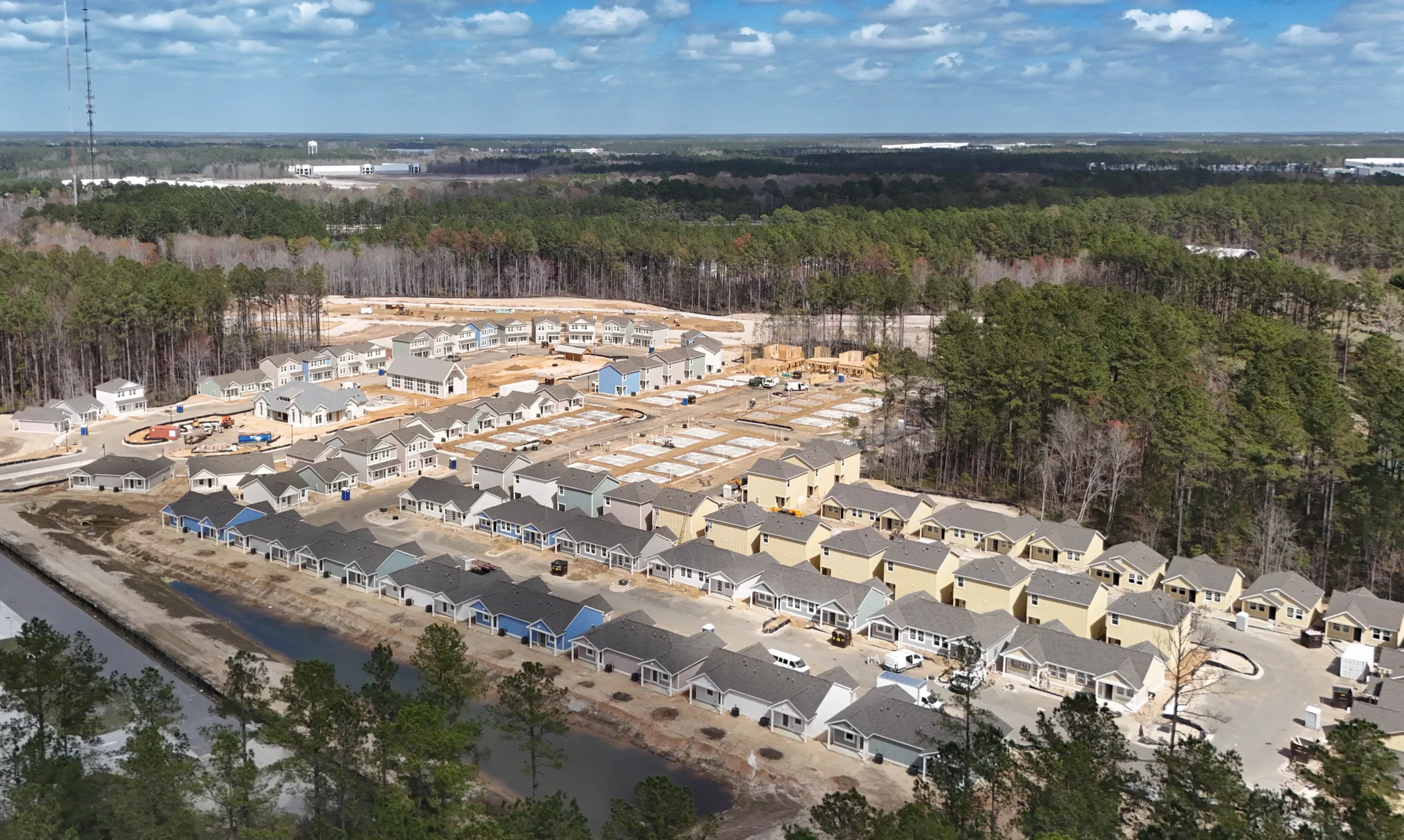
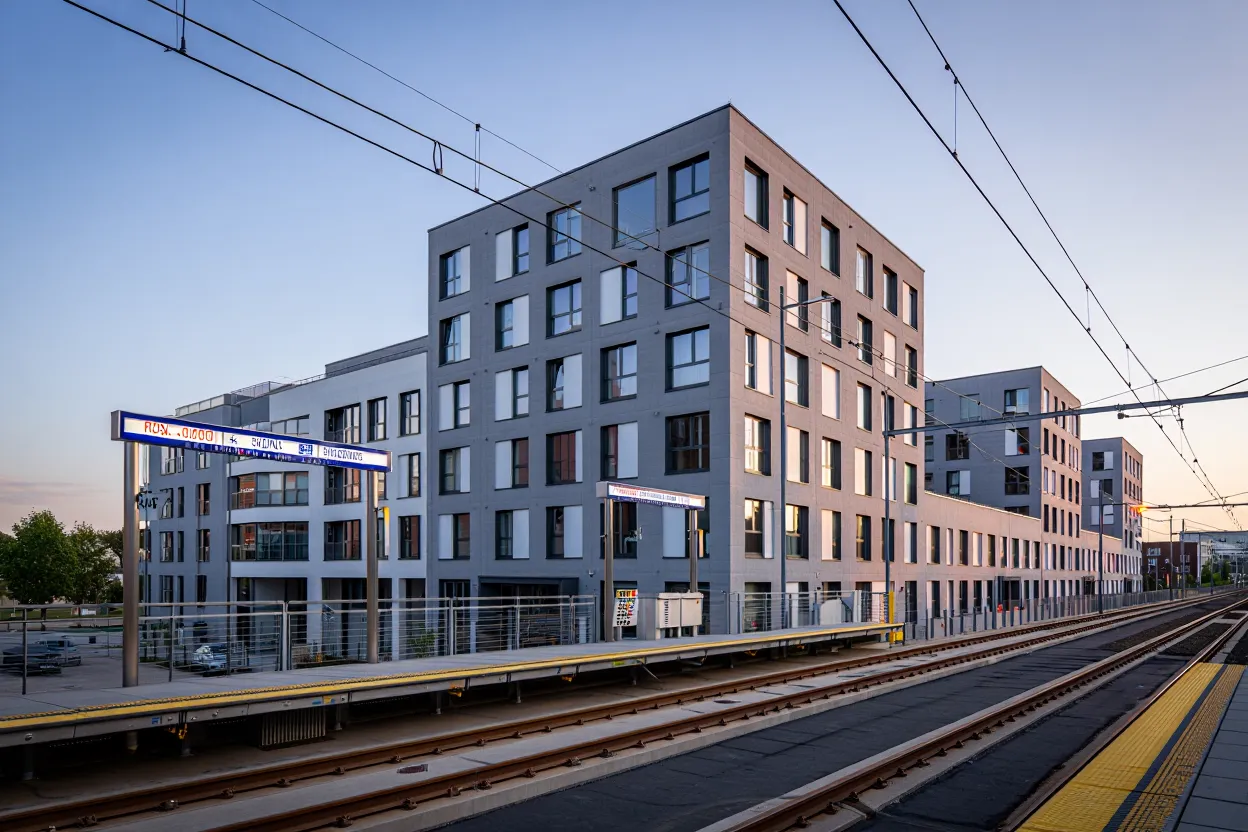
Congress introduced the bipartisan Build Housing, Unlock Benefits and Services Act to support transit-oriented development, Bisnow reports. The bill helps public agencies and private developers access federal loans for affordable housing near transit. It targets low- and moderate-income residents and aims to better use public land and transit investments.
Key Provisions and Streamlining Measures
The bill speeds up project reviews and funding approvals. It waives some National Environmental Policy Act rules for infill projects and office conversions. It also extends two federal loan programs—TIFIA and RRIF—for five more years. These changes aim to attract more transit-linked housing development.
Get Smarter about what matters in CRE
Stay ahead of trends in commercial real estate with CRE Daily – the free newsletter delivering everything you need to start your day in just 5-minutes
Bipartisan Momentum in Housing Policy
Introduced in both the Senate and House by lawmakers from both parties, this move underlines how transit-oriented development has become a rare area of bipartisan consensus. The bill joins other cross-party housing proposals in Congress, reflecting widespread recognition of the need to tackle housing affordability. States like California have advanced similar legislation to encourage dense housing near transit hubs, aligning with federal efforts. Policymakers note that narrow party margins in Congress encourage collaborative policy action on these priorities.
Transit Remains Contentious
While transit-oriented development is gaining support, political divides over transit funding persist. Recent disputes, such as the halted Hudson River tunnel project and delayed funding in Pennsylvania, highlight the challenges that major transit infrastructure efforts can face, even as consensus grows on the related housing needs around transit hubs.