




- Tourism states like Wyoming and Maine have the highest SFR investor ownership rates, topping 25% of SFR stock.
- Small landlords—not institutions—own about 92% of investor-controlled single-family rentals nationwide.
- High SFR penetration in tourism states is shifting land pricing, underwriting, and CRE strategy for local retail and services.
- Distress or forced selling in these markets is likely to be localized, not portfolio-wide, impacting local banks and regional lenders.
Investor Activity in SFR Markets
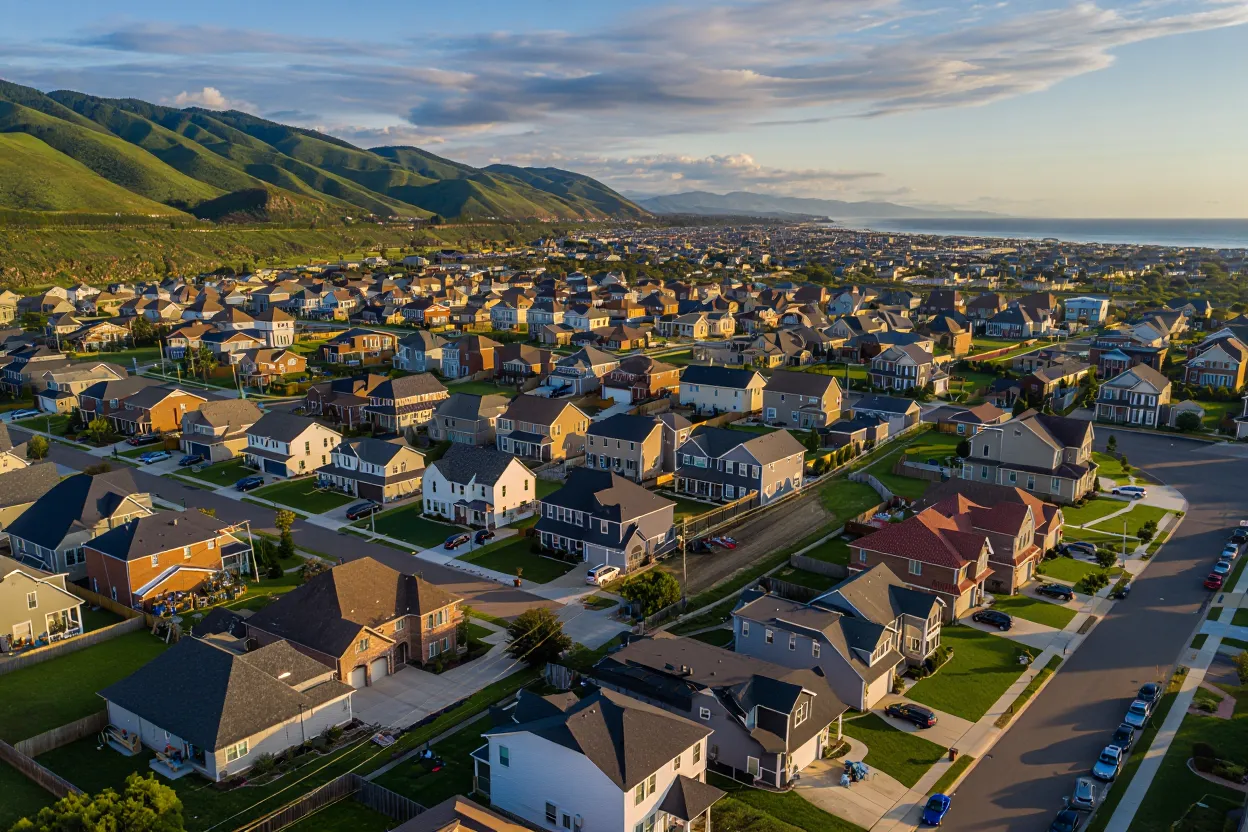
Single-family rentals in tourism-driven states are reshaping commercial real estate capital flows. Globe St reports that BatchData estimates investors own about 18% of the nation’s 86M single-family homes. Tourism-heavy states show the highest concentration of SFR ownership.
Even though investor purchases slowed in 2025, these markets remain firm strongholds. In these regions, SFR functions as both a housing option and a commercial asset class.
SFR Concentration in Tourism States
Wyoming leads the nation, with 30.66% of SFR homes owned by investors. Maine, Montana, Alaska, and Hawaii follow, each exceeding 25% investor ownership. These states have smaller populations but high SFR density. Their markets closely track tourism cycles and seasonal demand. This dynamic mirrors trends in major coastal markets, where hotel performance struggles have signaled broader volatility tied to shifting travel demand.
Get Smarter about what matters in CRE
Stay ahead of trends in commercial real estate with CRE Daily – the free newsletter delivering everything you need to start your day in just 5-minutes
Investor Profiles and CRE Impact
The SFR market is dominated by small-scale investors, with almost 92% holding between one and five properties. Large institutional owners make up only about 2% of SFR stock, resulting in localized risk and performance trends. CRE capital in these regions must account for small-balance sheet behavior, increased sensitivity to tourism changes, and exposure of local banks and lenders to SFR portfolios.
Implications for Land and Asset Valuation
In markets where SFR penetration reaches 25% to 30%, land pricing for residential and mixed-use developments increasingly reflects SFR returns. CRE investors and developers in tourism states must consider SFR-driven demand, regulatory risk, and hospitality sector volatility in both underwriting and asset strategy. Single-family rentals have become a core operating business within these markets, reshaping the commercial real estate landscape.