



- Tariff analysis shows the real impact on US trade and inflation was less severe than anticipated.
- Companies responded by shifting sourcing and absorbing some tariff costs.
- Currency fluctuations and trade agreement changes further muted cost effects.
- US commercial real estate faces ongoing uncertainty as trade patterns shift.
Research Overview
New research from economists at Harvard and the University of Chicago offers a comprehensive tariff analysis, comparing the Trump-era tariffs of 2018–2019 with those enacted in 2025. The findings challenge early expectations that tariffs would cause major inflation and disrupt the US economy. Instead, multiple market dynamics softened the blow for both businesses and consumers, reports Globe St.
Offsetting Factors in Play
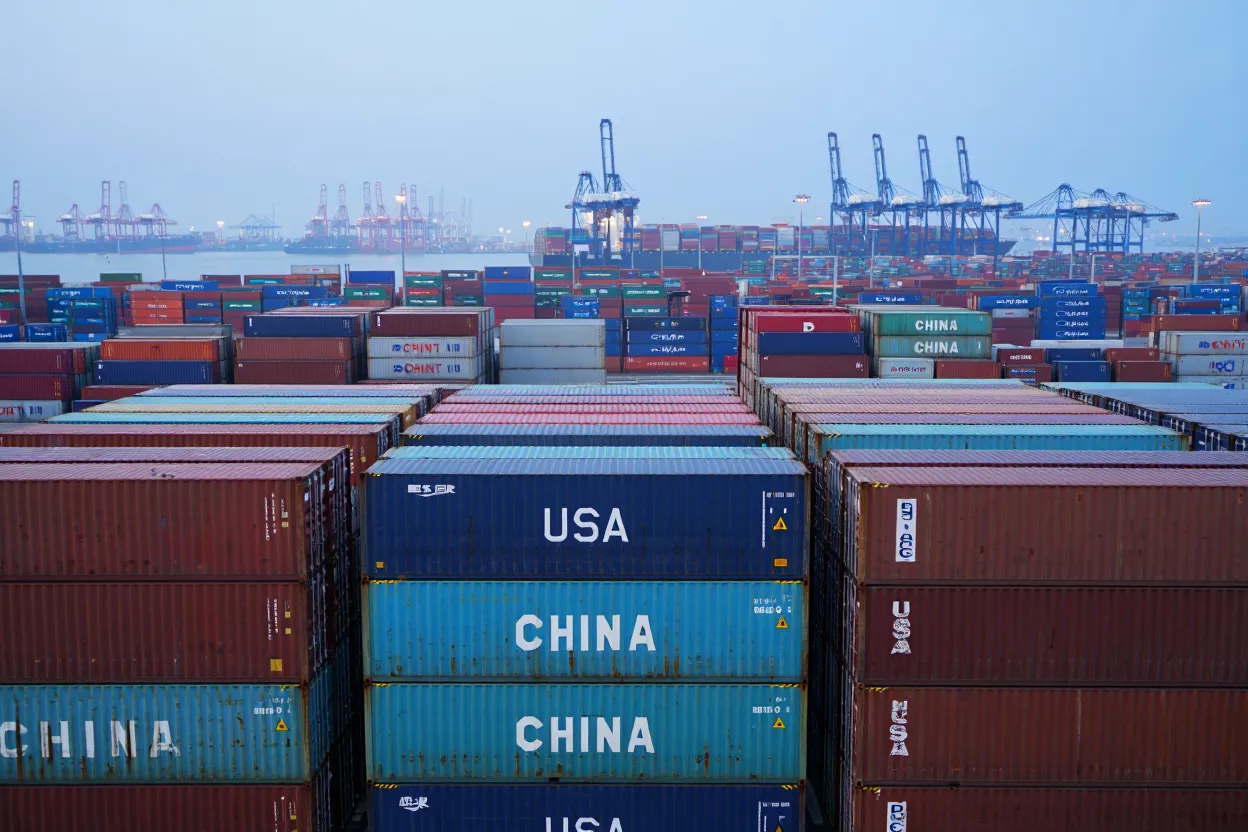
The study highlights three main reasons for the muted inflation effect. First, not all importers passed on full tariff increases, protecting consumers from significant price spikes. Second, US buyers adapted by turning to alternative suppliers, including domestic producers and other countries not subject to tariffs. Third, a stronger US dollar helped offset import price increases, though it placed some pressure on US exports.
Get Smarter about what matters in CRE
Stay ahead of trends in commercial real estate with CRE Daily – the free newsletter delivering everything you need to start your day in just 5-minutes
Discrepancy in Tariff Rates
Tariff analysis revealed a substantial gap between announced tariff rates and those that were actually enforced. Delays, retaliation, renegotiations, and new supply routes—especially under the US-Mexico-Canada Agreement—meant effective tariffs were often below headline levels. Earlier tariffs focused on China were more narrowly targeted, making them more predictable but less disruptive overall.
Impact on Commercial Real Estate
While overall economic impact was muted, the research points to significant changes in US trade flows and costs for domestic manufacturers. For commercial real estate stakeholders, ongoing shifts in global sourcing and manufacturing locations warrant close attention. In some regions, industrial leasing activity has already shown signs of softening, reflecting how tariff-related uncertainty and supply chain adjustments are playing out in specific markets. Adapting to these evolving trade strategies remains key as tariff analysis continues to shape US economic policy and CRE decision-making.