





- Small-bay industrial is attracting substantial institutional investment amid limited new supply.
- Margin compression is shifting focus from acquisition to operational performance.
- Hands-on management and tenant retention are central for driving returns.
- Deal access increasingly depends on local relationships and off-market opportunities.
Investor Momentum Builds
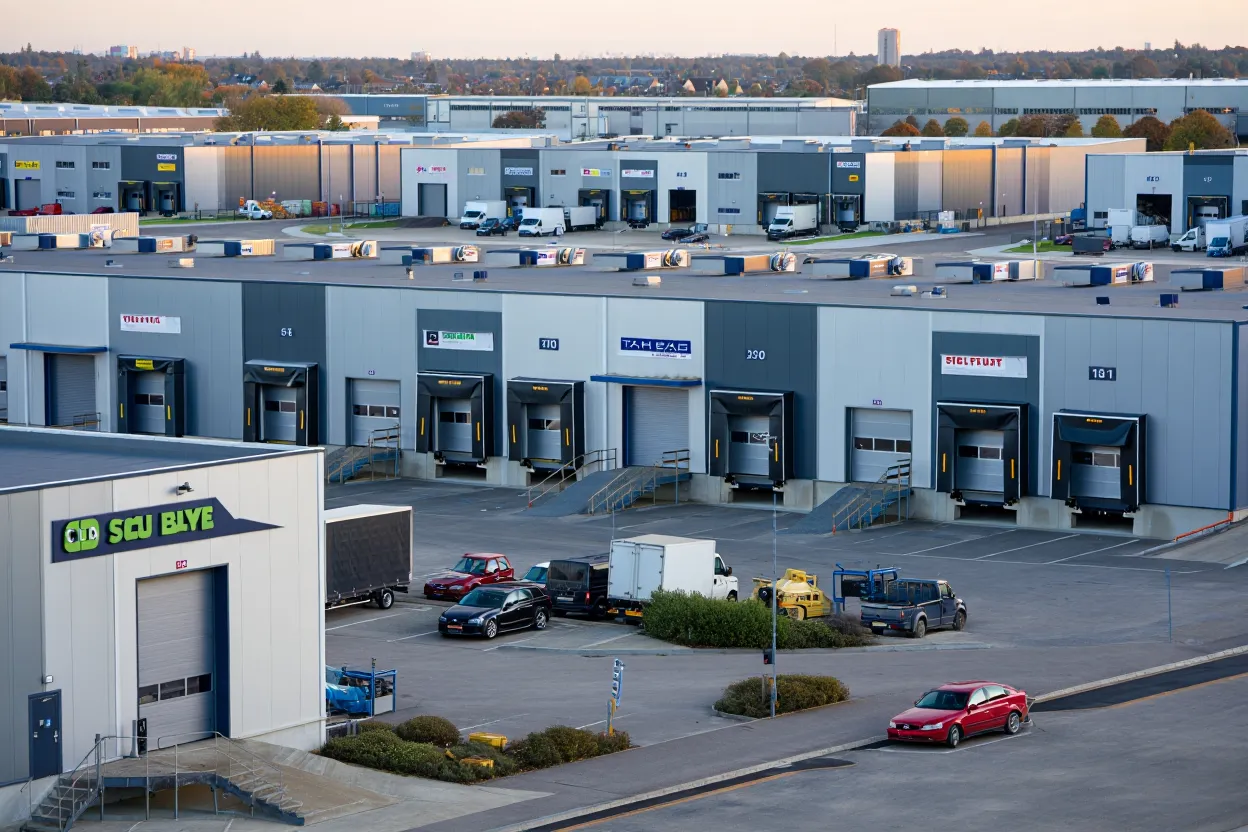
Globe St reports that institutional money is rapidly targeting small-bay industrial properties in the US. As demand for strategically located, smaller spaces grows—driven by e-commerce and a need for proximity to customers—these assets have become highly sought after by investors. Yet, with limited new development and asset scarcity in urban markets, competition is heating up, and margins are tightening fast.
Why It Matters
Most of the nation’s industrial inventory consists of small-bay product. However, developers continue to build new supply at a slow pace. Zoning hurdles, rising construction costs, and limited land availability restrict new development.
This imbalance keeps existing small-bay industrial assets highly valuable. At the same time, it makes it harder for investors to generate strong returns through acquisitions alone. As a result, operators now rely more on execution than entry pricing. At the same time, several markets are beginning to tilt toward tenants as supply pressures build, especially in areas with recent delivery spikes. Instead, operational discipline is emerging as the key differentiator. Investors focus on hands-on management, tighter expense control, and leasing efficiency to drive performance.
Get Smarter about what matters in CRE
Stay ahead of trends in commercial real estate with CRE Daily – the free newsletter delivering everything you need to start your day in just 5-minutes
A Long-Term Bet
Stability in the small-bay industrial sector comes from diversified tenant mixes and short-term leases, allowing frequent rent increases. Operators who invest in property upgrades and maintain close tenant relationships can boost renewals and minimize vacancy. Responsive management becomes essential as most tenants are local businesses with limited flexibility and razor-thin margins.
Deal Sourcing Challenges
As more institutional players enter, competition for marketed deals has pushed pricing above market fundamentals, squeezing profit potential. The advantage now lies in sourcing deals off-market through strong local relationships with owners, families, and brokers. Investors able to identify assets before they hit public listings are better positioned to secure favorable terms and steady cash flow from small-bay industrial investments.