



- Shopping centers saw $4.5B in raised capital in 2025, increasing investment activity.
- Average shopping center pricing hit a record $142 PSF, up 14% from the previous five-year average.
- Sector fundamentals are strong, but smaller retailer occupancy poses a risk if economic conditions falter.
- Cap rates are expected to compress further amid continued investor competition.
Investor Momentum Builds
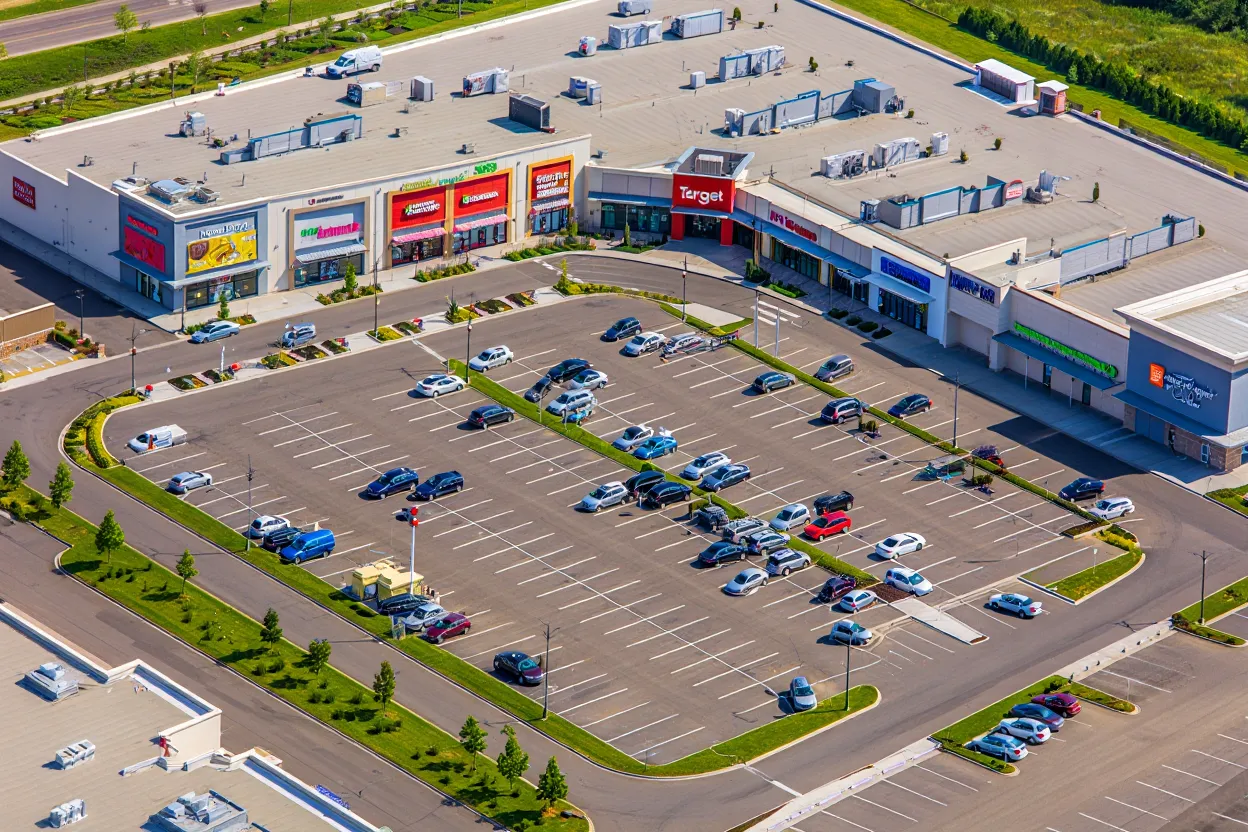
According to Globe St, shopping centers are entering 2026 as a top commercial real estate asset class, with investor appetite and tight supply sending values to historic highs. In 2025, 28 retail funds amassed a combined $4.5B in new capital, fueling over 1,300 shopping center acquisitions. Only 767 centers larger than 50 KSF remain available, underscoring sustained competition. Average shopping center pricing rose to $142 PSF, marking a 14% increase over the prior five-year average and reaching an all-time record.
Drivers Behind the Surge
Lower costs of capital and significant mark-to-market rent opportunities are powering the surge in shopping centers. Many properties still have pre-pandemic leases, offering landlords the chance for 20%–40% rent increases as leases roll. Retail fundamentals remain strong, with current retail space delivering 35% more sales per square foot than in 2019. Leasing activity has also surged in recent quarters, reflecting a wave of tenant expansion that’s further supporting higher rents. Although big-box retailers capture much of this growth, the sector’s overall performance is supporting higher rents.
Get Smarter about what matters in CRE
Stay ahead of trends in commercial real estate with CRE Daily – the free newsletter delivering everything you need to start your day in just 5-minutes
Potential Risks Ahead
Despite robust fundamentals, shopping centers face exposure if economic conditions deteriorate. About 30%–40% of center occupancy is held by mom-and-pop retailers—tenants that deliver higher rents but may be less resilient during a slowdown. A significant contraction in smaller retailers could erode occupancy and values, particularly since these tenants bolster demand through retail inefficiencies. Landlords may need to temper expectations to avoid overextending and preserve long-term stability in the sector.
What’s Next
With cap rates expected to compress further in 2026, both equity investors and lenders are likely to remain active in the shopping centers segment. Future performance will depend on sustained consumer spending and the ability of landlords to balance rent growth with occupancy risks. Shopping centers appear poised for record pricing, though the market will be tested by how well it adapts to shifts in tenant stability and broader economic changes.