





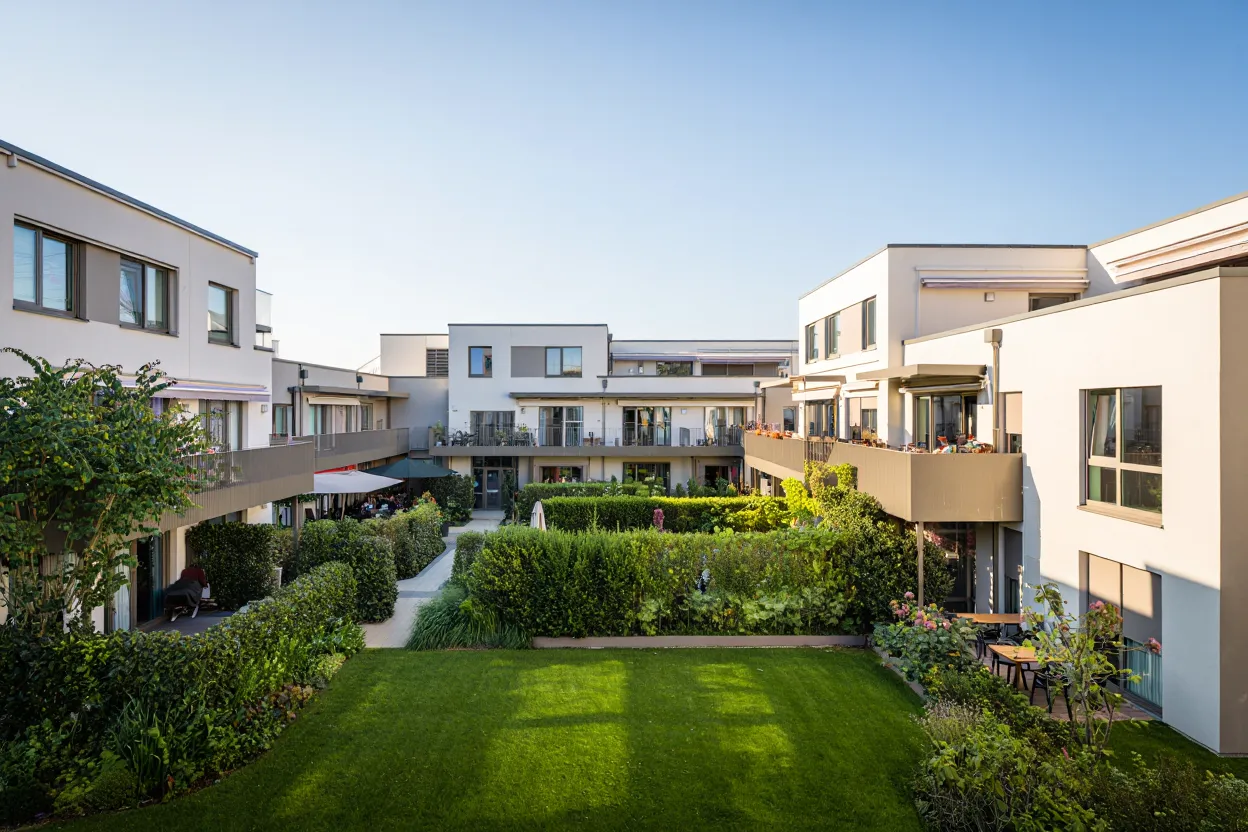
- Senior housing demand is expected to remain strong due to demographic trends and low supply.
- Occupancy hit 89% in Q4 2025, while new inventory is at its lowest level since 2006.
- Annual rent growth exceeded 4%, with senior housing rents now averaging $5,479 monthly.
- Long-term investor confidence in senior housing remains high despite challenges such as labor costs and regulatory risks.
Investor Momentum Builds
According to Multifamily Dive, senior housing is experiencing renewed strength entering 2026, boosted by high occupancy and constrained new supply. Reports from Partner Valuation Advisors and JLL highlight strong rent growth and absorption, with the US aging population creating sustained demand for independent living, assisted living, and memory care facilities.
An expanding 80+ age group — projected to grow 36.6% over the next decade — is a key demographic driver. More than 10,000 Americans are turning 65 each day, fueling long-term demand for senior housing. JLL survey data showed that 86% of investors plan to increase their sector exposure in 2026.
Supply and Rent Trends
Senior housing sector fundamentals improved notably in 2025, with Q4 occupancy reaching approximately 89%. New inventory growth fell to its lowest point since 2006, helping drive a pronounced supply-demand imbalance. Rent growth exceeded 4% as limited inventory met rising demand, and average monthly rents reached $5,479 — up 28.8% from pre-pandemic levels.
Transaction volumes climbed as investor confidence and capital availability rebounded. Debt financing from banks improved, and pricing stayed competitive as values remained below replacement costs. This rebound in capital flows mirrors broader signs of recovery across commercial property sectors, where improving leasing activity has begun to support investment momentum. Both equity and debt providers are projected to increase capital allocations to senior housing in 2026.
Key Headwinds Remain
Despite a positive long-term outlook, several challenges persist for senior housing. New construction remains limited by high costs and tighter capital, resulting in historically low building levels. Labor costs and staffing concerns continue to pressure operating margins, and the sector faces headwinds from market volatility, regulatory shifts, and affordability issues—particularly for middle-income seniors.
Rising energy and insurance expenses further constrain margins, and uncertainty around federal oversight and Medicaid funding adds risk. Still, reports from Partner Valuation Advisors point to continued investor interest, with favorable fundamentals supporting stable or improving values for senior housing assets moving forward.
Get Smarter about what matters in CRE
Stay ahead of trends in commercial real estate with CRE Daily – the free newsletter delivering everything you need to start your day in just 5-minutes