




- Self-storage fundamentals are improving as supply growth slows and demand stabilizes.
- After a multi-year correction, property values have begun to recover in 2026.
- The sector continues to outperform core CRE segments in most years since 2006.
- Operational efficiencies offer outsized potential for income growth versus other sectors.
Resilience Through Shifting Cycles
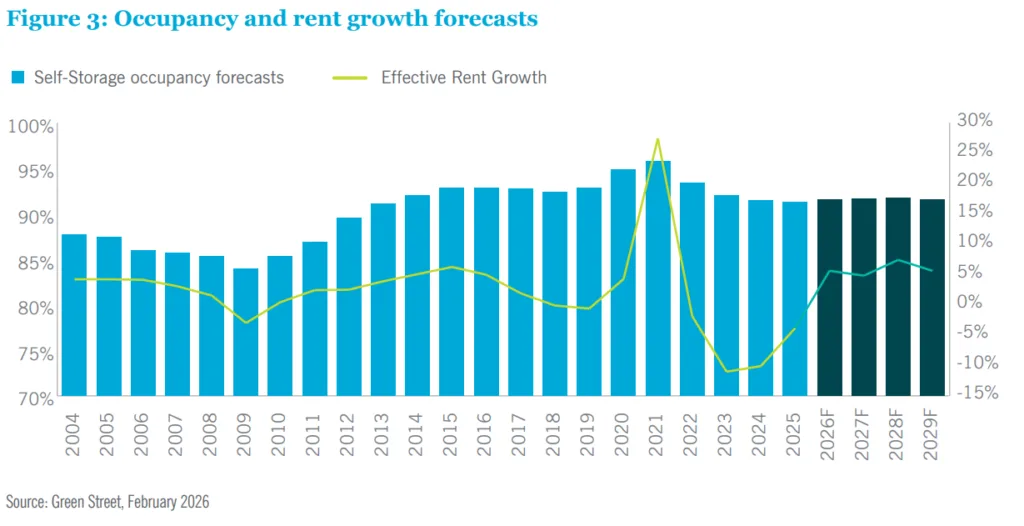
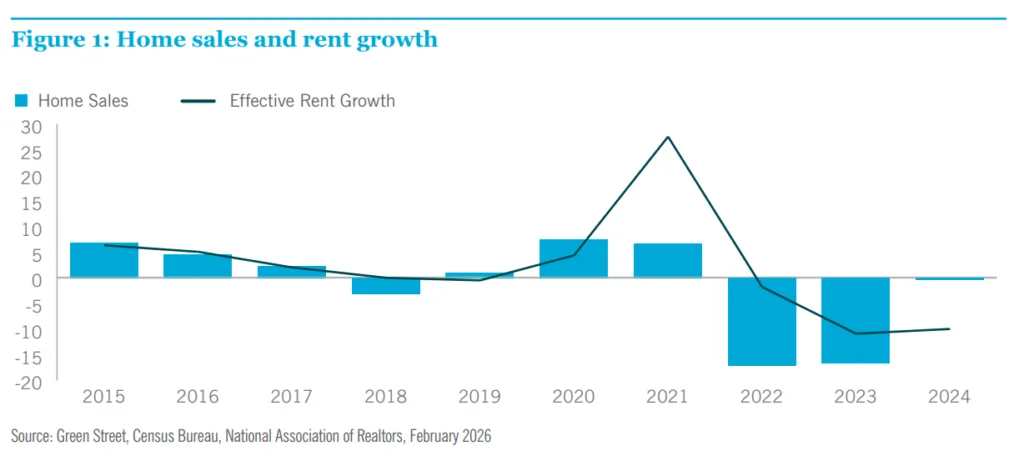
The US self-storage sector is poised for renewed momentum in 2026 following several years of normalization and correction. According to Nuveen data, the asset class has reaffirmed its long-term resilience, with demand drivers such as home moves and shifting household needs remaining strong despite recent headwinds. Self-storage demonstrated robust performance during the pandemic surge in 2021-2022, only to face a correction as homebuying slowed and new supply entered the market between 2023 and 2025.
Market Fundamentals Reset
By early 2026, sector fundamentals show signs of stabilization. Home sales are rebounding from multi-decade lows as mortgage rates trend downward, a key indicator for self-storage demand. At the same time, Green Street data shows supply growth hit an 11-year low in 2025, with fewer new projects expected in 2026 due to elevated construction costs and tighter financing. This constrained pipeline supports stronger occupancy and the potential for rental growth over the coming cycle.
Capital Markets and Pricing
Self-storage property values underwent a significant reset, falling approximately 25% from post-pandemic peaks over 12 quarters. Green Street’s CPPI indicates pricing reached a low in Q2 2025 and has risen for two straight quarters, suggesting the repricing phase may be ending. This stabilization comes as the broader self-storage market begins to find its footing after a period of slower growth. Historically, inflection points like this have presented attractive entry opportunities for investors willing to deploy capital before values and fundamentals fully recover.
Get Smarter about what matters in CRE
Stay ahead of trends in commercial real estate with CRE Daily – the free newsletter delivering everything you need to start your day in just 5-minutes
Operational Advantages and Fragmented Ownership
The sector remains fragmented, with many smaller owners who may lack advanced management practices. New owners with institutional resources can drive outsized growth through digital marketing, dynamic pricing, and systematic rent increases. Unlike office or multifamily assets, self-storage often allows for rapid operational upgrades and revenue enhancement with modest capital outlay.
What’s Next
With fundamentals stabilizing, supply now constrained, and property values resetting, investor activity is beginning to rebound. Transaction volumes rose 22% last year, though they remain below peak levels. As the recovery gains traction, competition for quality self-storage assets is likely to increase, compressing yields. For CRE investors, 2026 may represent a narrow window to secure assets with long-term upside as the next cycle begins for the self-storage sector.