

- Self storage demand slows in winter, driving operators to focus on pricing, operations, and marketing prep.
- Seasonal customer targeting and winter maintenance reduce risk and drive offseason revenue.
- Operators use downtime for business analysis, upgrades, and digital marketing improvements.
- Winter strategy sets the stage for occupancy gains and stronger performance in spring.
Winter Trends for Self Storage
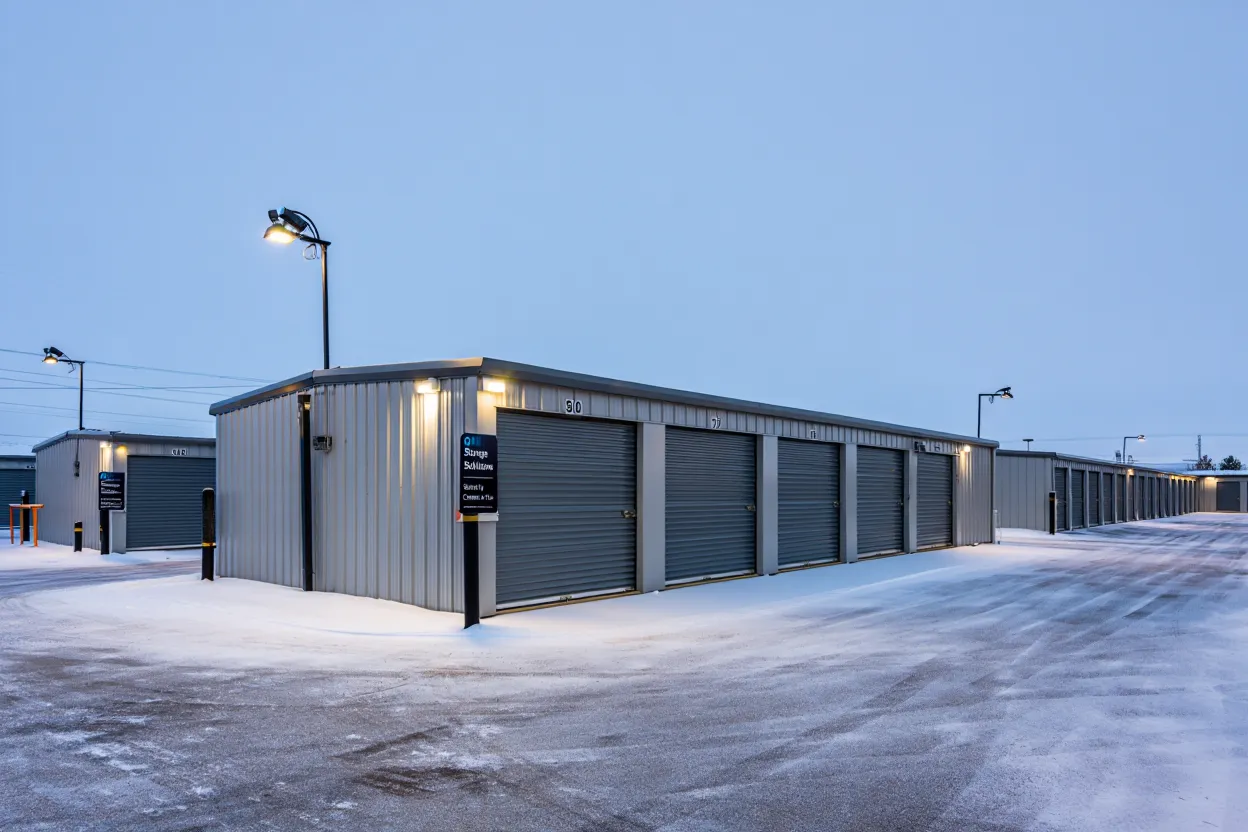
Storage Cafe reported that self storage experiences sharp drops in move-ins and inquiries during winter, especially in colder regions where moving pauses and customer demand softens. Holiday spending diverts customer budgets away from storage, adding to the seasonal slowdown. In contrast, facilities in warmer climates face less weather impact but see price sensitivity from customers during the holidays.
Targeting Off-Season Customers
Operators succeed by identifying and serving winter customer segments. Apartment dwellers need extra storage for holiday gifts and outdoor items, while snowbirds and seasonal business owners require space as they relocate or pause operations. Reaching these groups through tailored marketing, traditional channels, and location-based offers boosts offseason occupancy.
Customer Service and Pricing Adjustments
Maintaining strong customer service in the off-season fosters loyalty and tenant retention. Strategic pricing reviews, often starting in October, help attract winter renters through targeted specials and seasonal packages. Operators analyze unit-type occupancy and offer holiday-tied promotions, such as discounted rates for Black Friday or organization-themed deals for January.
Get Smarter about what matters in CRE
Stay ahead of trends in commercial real estate with CRE Daily – the free newsletter delivering everything you need to start your day in just 5-minutes
Business Review and Operational Upgrades
Slow winter periods allow operators to assess facility performance, track key metrics, and review customer acquisition strategies. Facilities invest in upkeep, process improvements, and staff redeployment, which shortens vacancy periods and prepares teams for increased spring demand. Operators also focus on winter-specific risk management—addressing slip-and-fall hazards, freeze losses, and insurance coverage.
Marketing and Digital Readiness
Winter is prime time for self storage businesses to enhance website accuracy, improve SEO, and refresh digital assets. Operators strengthen marketing infrastructure, build community engagement through holiday campaigns, and collect testimonials. With the broader self storage market showing signs of cooling into early 2026, strengthening digital visibility and conversion funnels during the slow season can help operators defend occupancy and capture demand more efficiently as competition intensifies. These efforts set the foundation for higher conversion rates and occupancy as demand rises in spring.
Positioning for Spring Success
The most effective self storage operators leverage winter as a strategic window for pricing, operations, and marketing, rather than merely enduring the slow season. By recalibrating business practices and proactively engaging customers, they gain a competitive advantage, positioning for strong spring performance. Off-season preparation, not passivity, drives long-term gains in the self storage market.