



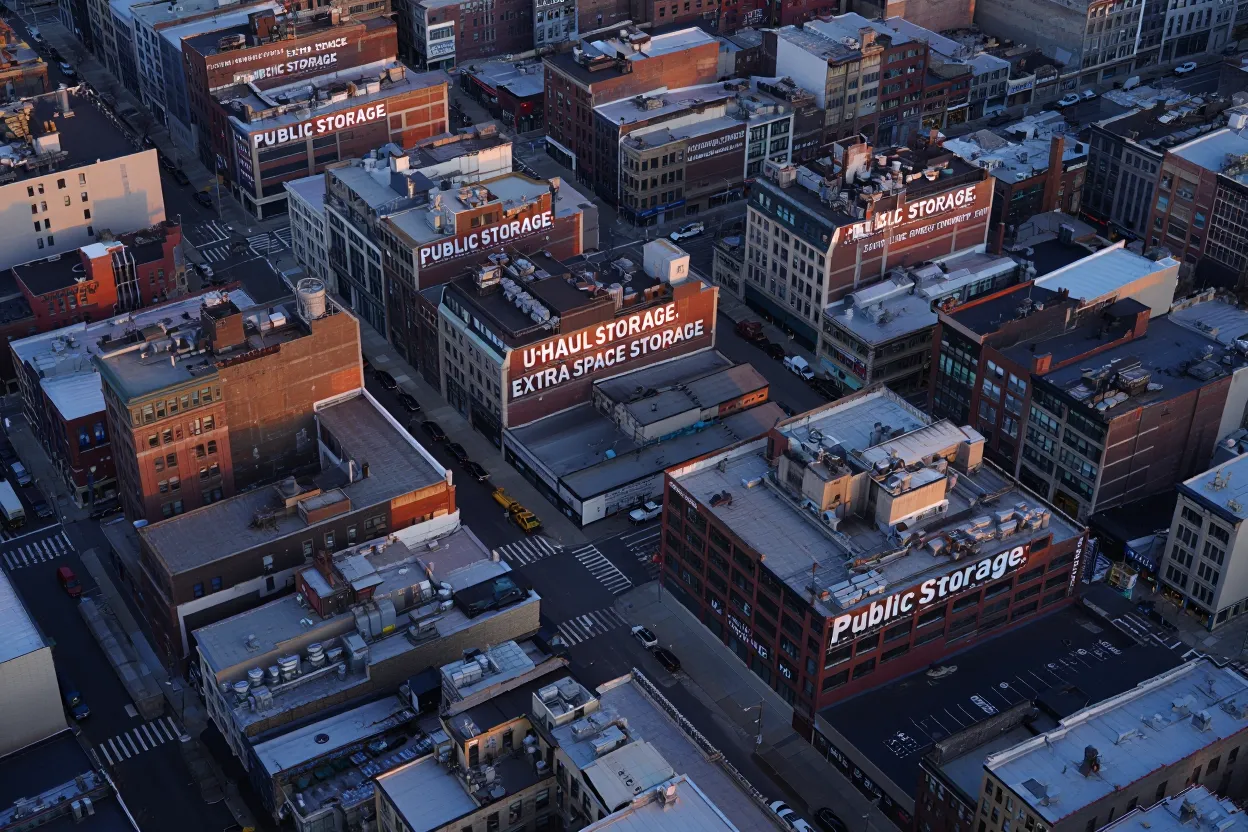
- Self storage conversions account for up to 48% of self storage inventory in key NYC boroughs.
- New York City claims three of the top five US spots for self storage reuse activity.
- Despite adaptive reuse, NYC and other leading cities remain self storage supply-constrained.
- No NYC borough ranks among top 10 for ongoing conversion projects; other US markets are now leading.
New York City Leads in Self Storage Conversion
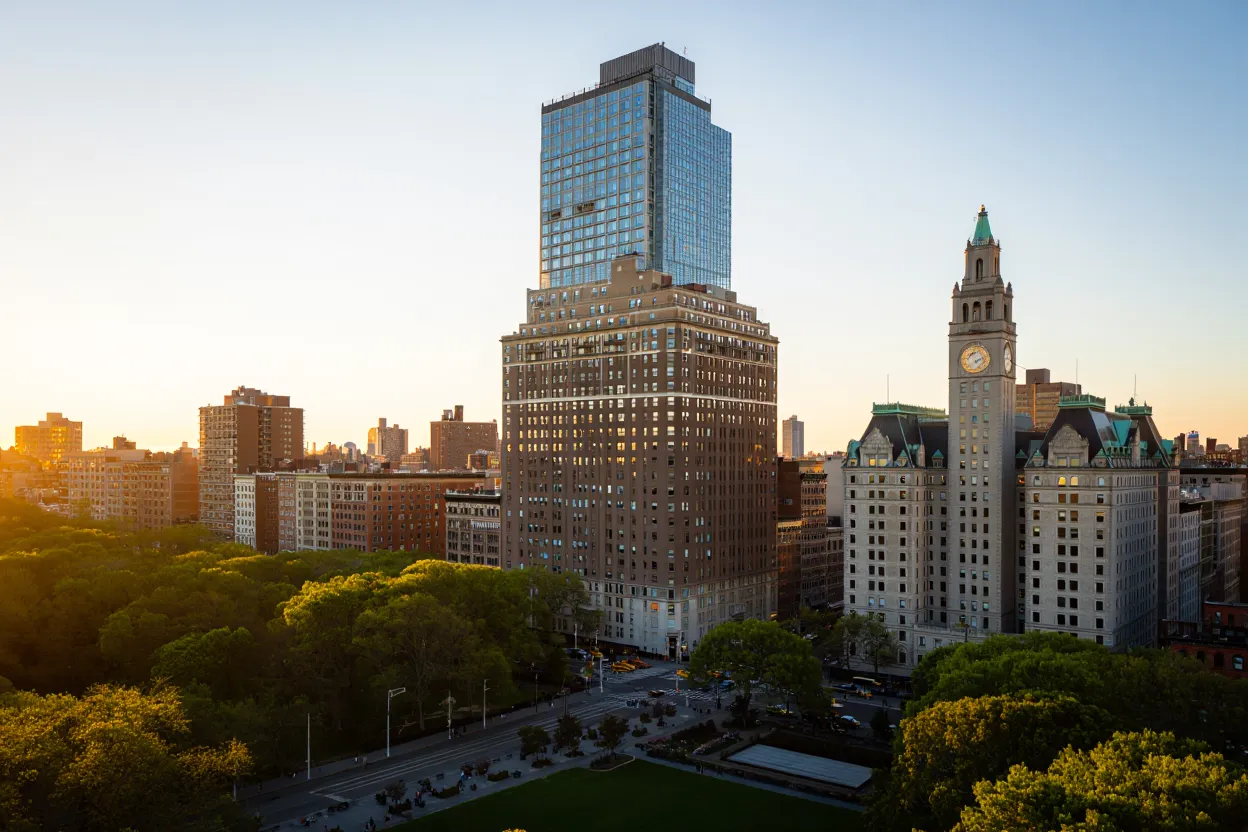
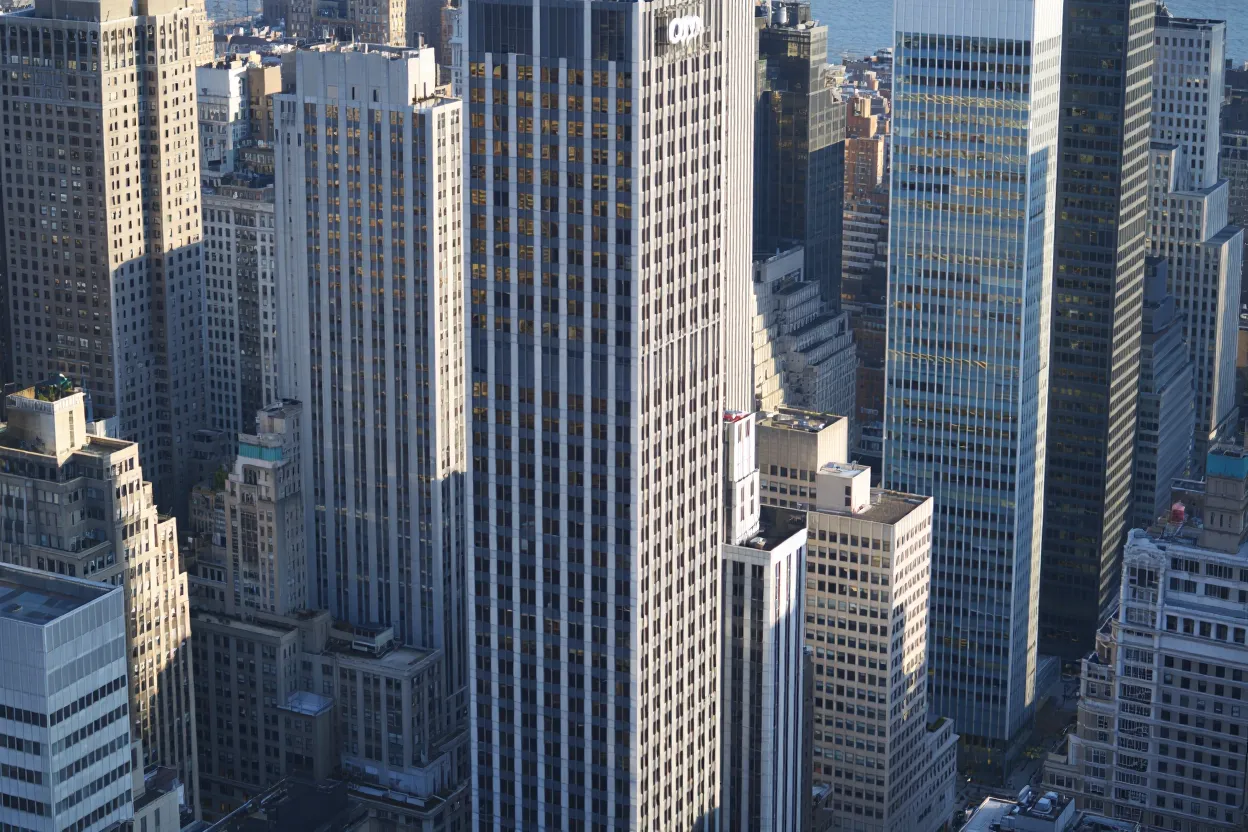
New York City continues to see robust self storage conversions, outpacing most markets nationally in transforming existing buildings into storage facilities. Globe St says that Brooklyn, Manhattan, and Queens are each among the top five US submarkets for completed adaptive reuse self storage projects, according to recent StorageCafe data.
Adaptive Reuse Expands Urban Capacity
Of the 179M SF of reuse self storage delivered across the US, 10% of sector inventory now comes from conversions. Brooklyn’s 3.19M SF leads New York City’s boroughs, followed by Manhattan at 2.17M SF and Queens at 2.11M SF. In these areas, conversions comprise 42% to 48% of all current self storage supply. This transformation of outdated buildings into modern storage facilities continues to play a vital role in meeting demand without relying on ground-up development.
Get Smarter about what matters in CRE
Stay ahead of trends in commercial real estate with CRE Daily – the free newsletter delivering everything you need to start your day in just 5-minutes
Supply Remains Tight Despite New Projects
Even with heavy reliance on conversions, self storage remains undersupplied in leading cities like New York and Chicago—averaging just 2.1 PSF per person in New York City. In the current pipeline, however, no NYC boroughs rank in the top 10 for ongoing conversion projects. Markets such as Albany, Buffalo, and cities across Texas, California, and the Southeast are overtaking in new adaptive reuse construction.
Shifting Trends and Future Challenges
Analysts see the trend as driven more by necessity than preference. Shrinking apartment sizes and a lack of development sites make adaptive reuse a crucial approach in dense urban areas like Manhattan. While NYC dominates existing self storage conversion totals, ongoing supply constraints are expected to persist, at least in the near future.