




- Retail sector fundamentals reached multi-year highs by end of 2025.
- Holiday shopping volumes hit records, pushing up retail rents and pricing.
- Vacancy fell to 5.6%, the tightest level in over two years.
- Landlords offered fewer concessions as tenant demand stayed strong.
Retail Sector Ends Year on a High Note
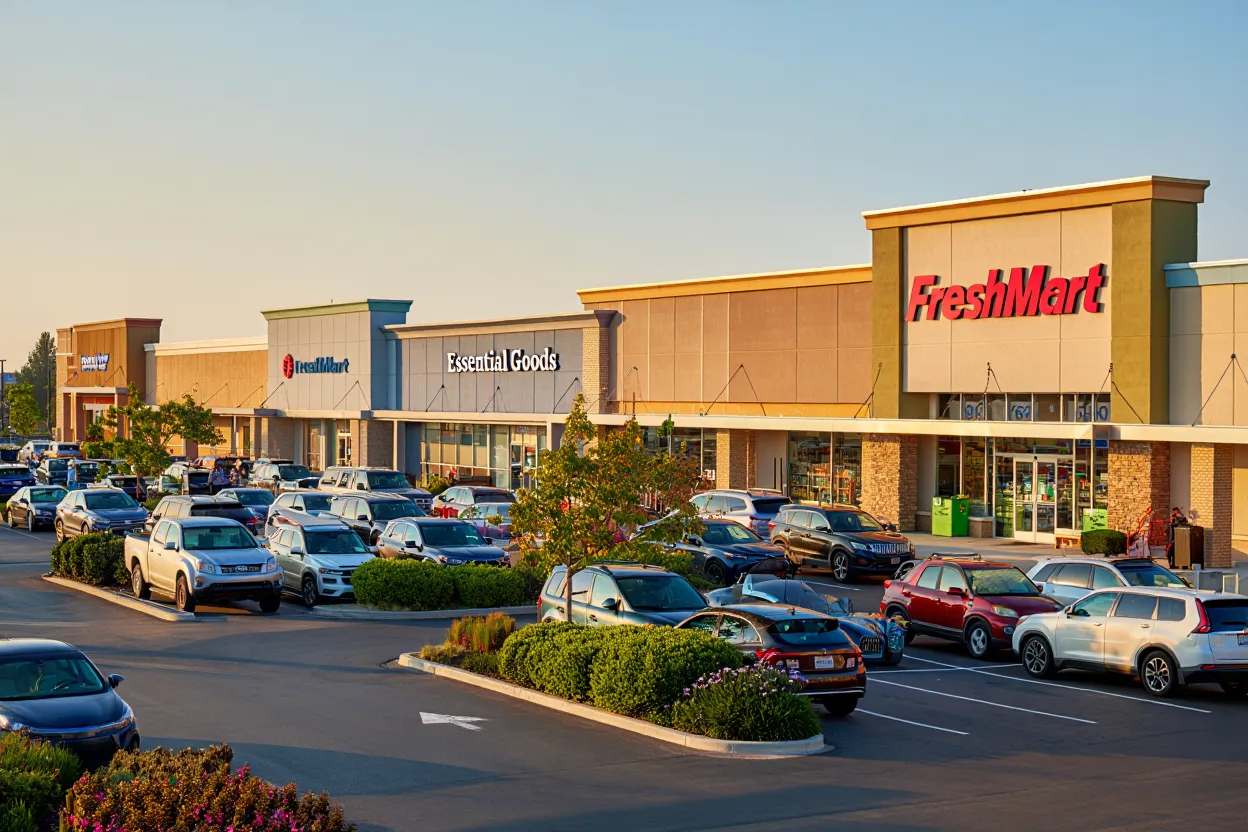
According to Globe St, the retail sector finished 2025 with its best fundamentals in recent years, buoyed by record-breaking holiday consumer activity and limited new retail supply. Crexi’s December CRE report highlights a surge in consumer spending from Thanksgiving through Cyber Monday, with over 202.9M shoppers and a Cyber Monday online sales record of $14.25B—up 7.1% year-over-year. Black Friday sales also saw robust 9.1% growth, reaching $11.8B.
Investor Momentum Builds
Retail sector investment metrics reflected renewed confidence. The average retail sales price rose modestly month-over-month to $288.61 PSF but jumped 30.5% from a year earlier. Asking prices reached $292.96 PSF—up 4.5% for the month and 8.3% from 2024. Seller confidence was further indicated by a slight dip in asking cap rates to 6.39%. Closed-deal cap rates compressed to 6.54%, down 10 bps year-over-year.
Get Smarter about what matters in CRE
Stay ahead of trends in commercial real estate with CRE Daily – the free newsletter delivering everything you need to start your day in just 5-minutes
Landlords Dominate Leasing
Retail sector rents showed a widening gap between asking and effective rates. Effective rents climbed 2.3% month-over-month to $22.52 PSF, a 10.6% year-over-year rise, while asking rents held stable at $19.32 PSF. Landlords in prime and even secondary locations were able to negotiate stronger lease terms, frequently with reduced concessions as tenant demand continued to outpace supply. This leasing momentum was underpinned by resilient consumer activity, though spending behaviors revealed growing divergence between shopper segments, influencing which retailers saw the greatest benefit.
Vacancy Hits Multi-Year Low
Retail sector vacancy dropped dramatically, falling 100 bps over the month and down to 5.6%, its lowest level in over two years. This decrease underscored the persistent supply constraints in most markets and reflected retailers’ renewed appetite for brick-and-mortar space.
What’s Next for Investors
Crexi advises retail sector investors to focus on grocery-anchored assets and daily-needs properties, especially in dense suburban Sun Belt submarkets where population growth is strongest and rent growth exceeds ask rates. Selectivity remains important for older or secondary assets that may require upgrades to attract quality tenants amid ongoing tight supply.