



- Retail rents are rising through reduced tenant improvement (TI) allowances and delivery changes, not just higher base rates.
- Landlords are now pushing more buildout costs onto tenants, reversing a post-2008 trend of turnkey deals.
- Investors and owners must examine deal terms closely, as headline rent per PSF may understate real occupancy costs.
- Competition for prime suburban space is allowing selective repricing and revised capital allocation strategies.
Shadow Rent Growth Emerges
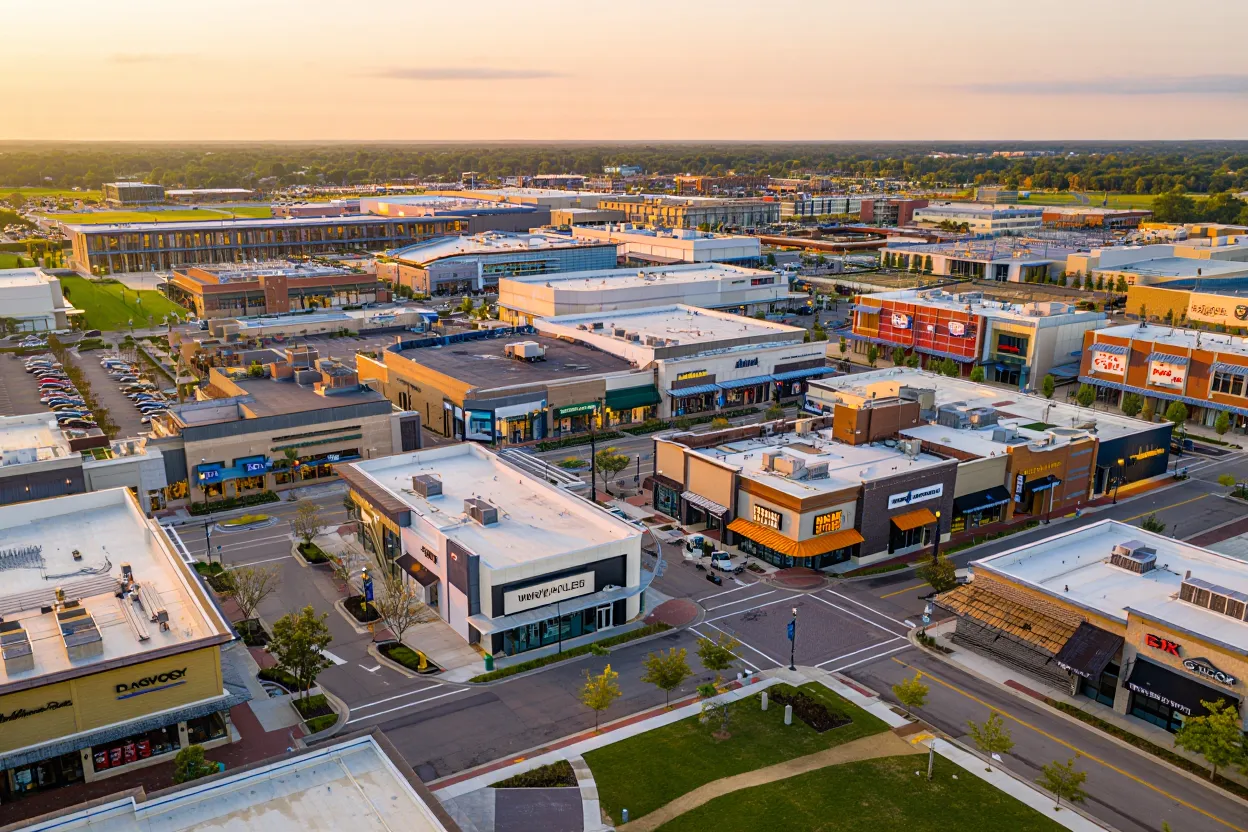
Globe St says that retail rents have begun to climb in practical terms even when advertised base rent per PSF remains stable. Instead of simply increasing face rents, landlords are adjusting deal structures to pass more buildout responsibilities and costs to tenants. This shift, described as “shadow rent growth,” is most visible in high-demand A-quality suburban centers, where leasing competition remains intense.
Buildout Costs Rebalance
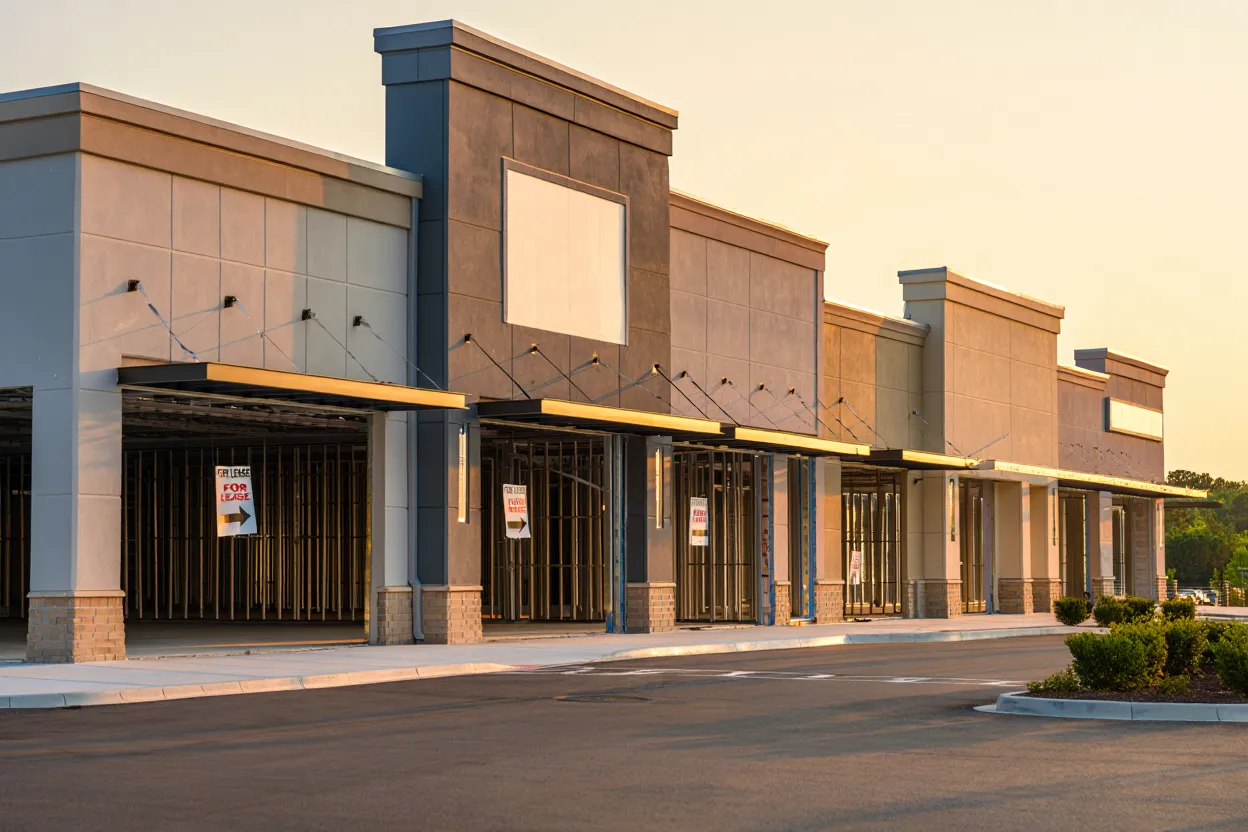
Market dynamics have shifted since the post-2008 period. Back then, landlords often delivered turnkey spaces with large TI packages. Today, rising construction costs and higher interest rates have changed the equation. Tenant buildouts are increasingly constrained by escalating costs, reflecting a broader trend across commercial leasing. Tenants—especially national credit retailers—are now expected to contribute more capital upfront. This shift results in lower TI, rougher delivery standards, and higher effective rents. Quoted rates may stay flat, but total occupancy costs continue to rise.
Get Smarter about what matters in CRE
Stay ahead of trends in commercial real estate with CRE Daily – the free newsletter delivering everything you need to start your day in just 5-minutes
Implications for Investors
This repricing of retail rents is altering underwriting and valuation fundamentals. With more of the real rent embedded in capex and lease structure, metrics focused solely on starting rent or rent per PSF may misrepresent true market pricing. Investors and landlords must analyze lease documents and capital allocations closely to gauge real returns.
What’s Next
As demand for suburban retail space stays high, sophisticated tenants are leveraging their balance sheets to control occupancy costs over the long term. Landlords are prioritizing reduced upfront capital exposure, while investors should focus on the interplay between face rent, TI, and delivery clauses to understand the evolving economics of retail rents in 2026.