



- Retail real estate tenants are downsizing, preferring smaller footprints in prime locations.
- Larger vacancies are being subdivided to target evolving tenant needs and boost leasing activity.
- Experiential, wellness, and fast-casual concepts are driving demand for both small and large retail spaces.
- Flight to quality is intensifying, with top-tier sites seeing the most leasing momentum.
Retail Real Estate Adapts to New Tenant Demands
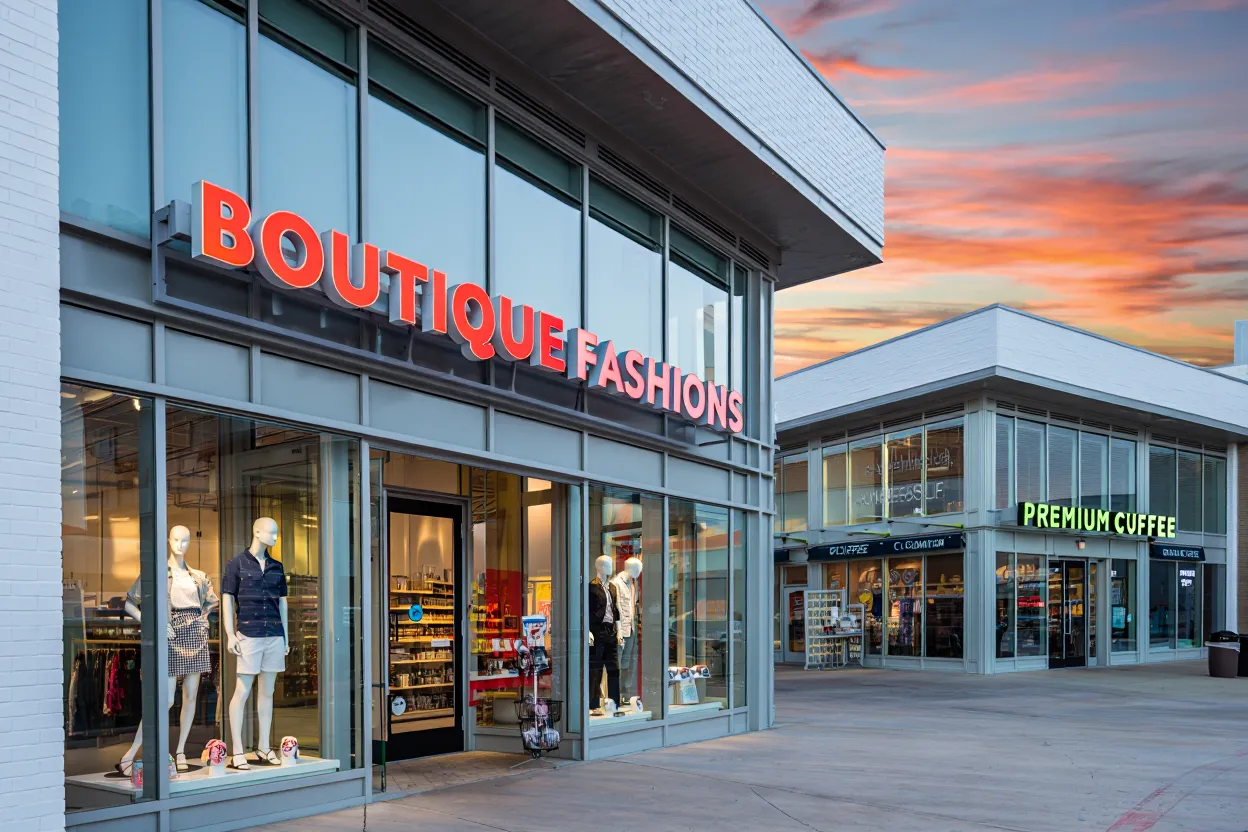
Retail real estate is experiencing a reset as tenants pivot to smaller, more efficient stores, especially in sought-after locations. According to Globe St, landlords are responding by investing in subdividing larger spaces to accommodate the shift, often creating flexible layouts that support the growing demand for multiple small units over single large ones.
Experiential and Wellness Tenants Lead Absorption
Entertainment and wellness users, including VR arcades, fitness studios, and medical spas, are increasingly occupying larger retail spaces. This marks a move away from traditional retail toward concepts that drive in-person traffic and meet evolving consumer preferences for experiences and health services.
Get Smarter about what matters in CRE
Stay ahead of trends in commercial real estate with CRE Daily – the free newsletter delivering everything you need to start your day in just 5-minutes
Prime Locations Drive Competition
Food and beverage operators, especially in fast-casual and drive-thru formats, are competing aggressively for top sites. As e-commerce grows, retailers prioritize visibility and target high-traffic corridors and premier regional centers. This flight to quality concentrates leasing activity in top-performing assets. At the same time, value-focused retailers continue expanding their footprint, taking advantage of newly available space and shifting consumer spending patterns.
What’s Next
Consolidation and closures are freeing up space in established retail corridors, creating opportunities for new entrants and expansion-minded brands. Industry leaders expect the divide between prime and secondary locations to widen as 2026 progresses, reinforcing the importance of retail real estate quality and agility in adapting to shifting market demands.