


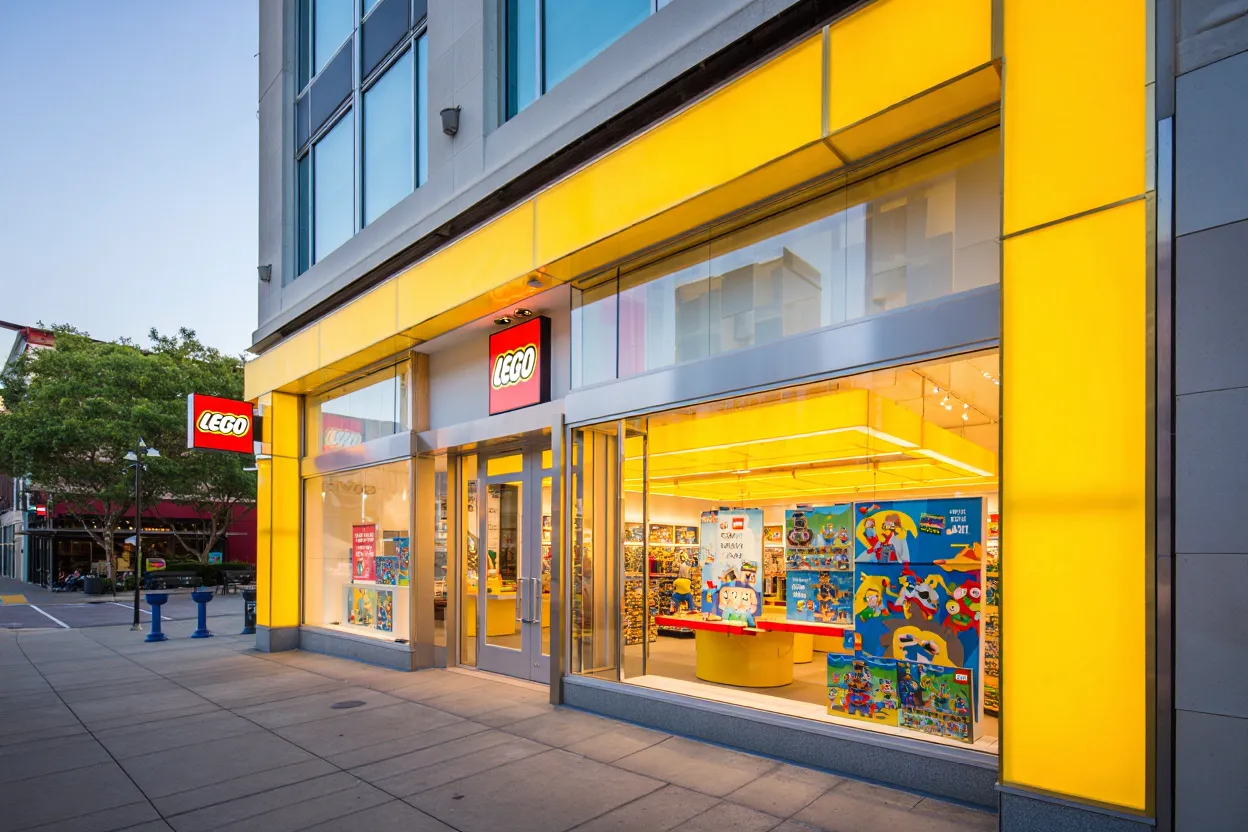

- Retail media platforms are shifting focus from pure transactional sales to narrative and engagement building.
- Brands use partnerships and content to create multi-channel consumer relationships beyond storefronts.
- Category expansion and cultural alignment help brands scale while maintaining identity.
- Retailers are integrating physical locations with broader brand stories to capture lasting loyalty.
Retail Media Platforms Drive New Strategies
According to Colliers’ Knowledge Leader retailers are moving beyond traditional storefront operations, repositioning brick-and-mortar as extensions of brand identity and values. Whether through spin-offs like Kendra Scott’s Yellow, sports team partnerships, or concept launches inside unconventional venues, retail brands are behaving more like media companies. The most successful players now engage consumers with consistent presence and shared culture rather than constant product promotion.
This strategic shift is a response to fragmented consumer attention and evolving shopping habits. Retail media platforms enable brands to maintain high visibility, meeting people in spaces they already occupy—such as entertainment, social causes, or community gatherings. These moves aim to keep the brand top-of-mind, even outside the transaction window.
Category Expansion Supports Cultural Relevance
Emerging and legacy brands alike are exploring partnerships and expanding categories to build deeper consumer connections. Catbird, for example, collaborates with entertainment properties like Amazon Prime’s The Summer I Turned Pretty. It also introduces lab-grown diamonds to align with Millennial values while preserving its brand identity.
Anthropologie’s partnership with Walmart—launched in a mixed-use streetfront setting—targets a broader demographic. It bridges aspirational shopping with value-driven buying habits.
Gap turns collaborations into multi-channel campaigns, extending engagement across marketing seasons. Meanwhile, Kendra Scott’s leadership model highlights connection and experience as key drivers of growth. These efforts mirror broader consumer trends, particularly in cities like Washington DC, where renter engagement continues to rise and influence how brands localize their strategies. Retail media platforms are more than sales channels—they’re essential tools for long-term loyalty and cultural relevance.
Real Estate’s Role in the Narrative
As brands evolve into retail media platforms, physical retail environments are being designed to reflect and project brand stories. Partnerships and experiential spaces—like mixed-use retail campuses and shared event activations—underscore the need for retail environments to support both narrative and transactional goals. Firms such as Colliers play a pivotal role in helping retailers align culture and strategy in tangible, consumer-facing locations.
The rise of retail media platforms signals a permanent industry shift: store strategy now starts with storytelling and community engagement as much as with sales per PSF. Retail brands that deliver presence across platforms—and real estate that supports those stories—are best positioned for sustainable growth.
Get Smarter about what matters in CRE
Stay ahead of trends in commercial real estate with CRE Daily – the free newsletter delivering everything you need to start your day in just 5-minutes