



- Retail CMBS delinquency rates have improved to 6.2% in Feb-2026 from 7.1% in Feb-2022.
- Mall delinquencies remain higher than other retail formats despite slight improvement.
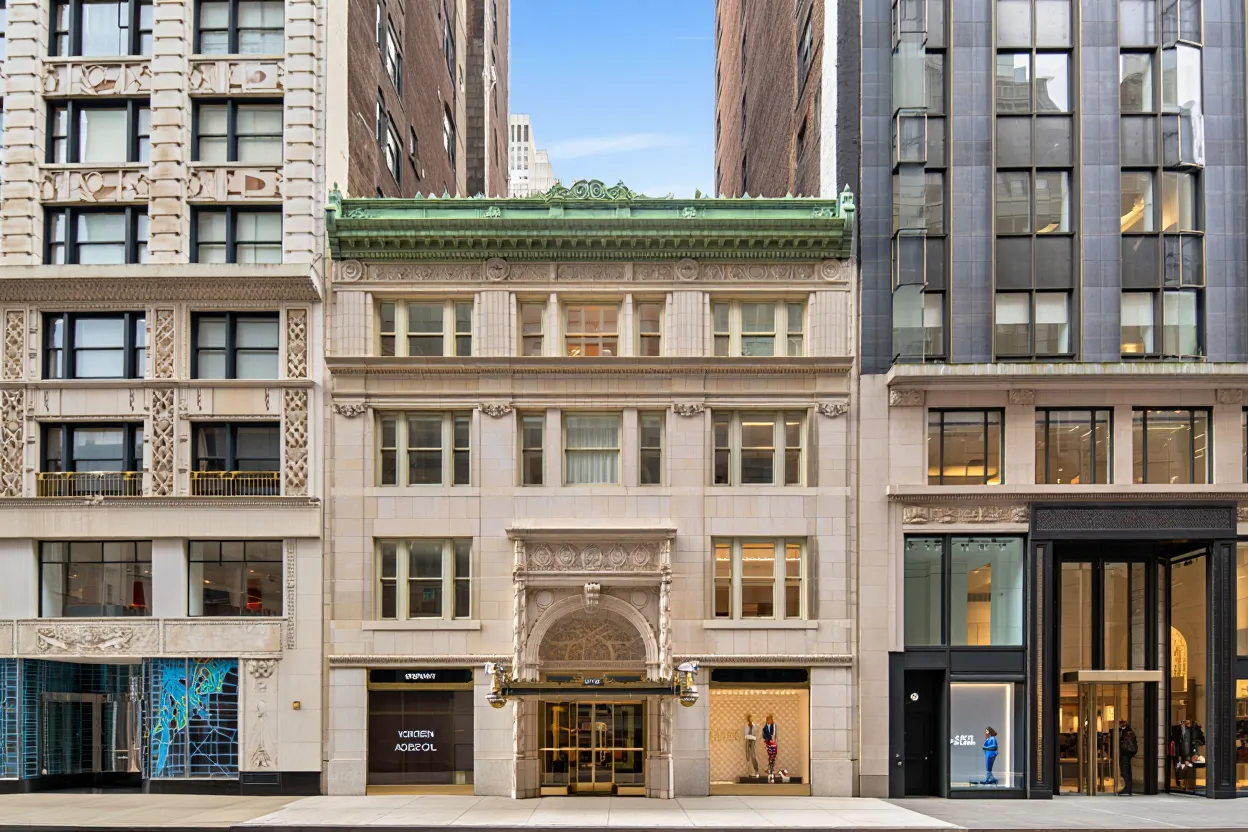
- Urban/street retail shows the most dramatic recovery, with delinquency dropping to 7.4%.
- Necessity-based retail formats remain comparatively stable with lower delinquency rates.
CMBS Delinquency Trends Diverge by Format
Retail CMBS delinquency remains on a steady, if uneven, path of improvement, dropping to 6.2% in February 2026 from 7.1% four years earlier. Trepp data underscores the divergent fortunes within retail asset types: while the sector has broadly stabilized post-COVID, malls continue to face outsized challenges. In contrast, urban street retail has staged the sharpest normalization, suggesting a different recovery rhythm compared to discretionary formats.
Malls Remain Under Pressure
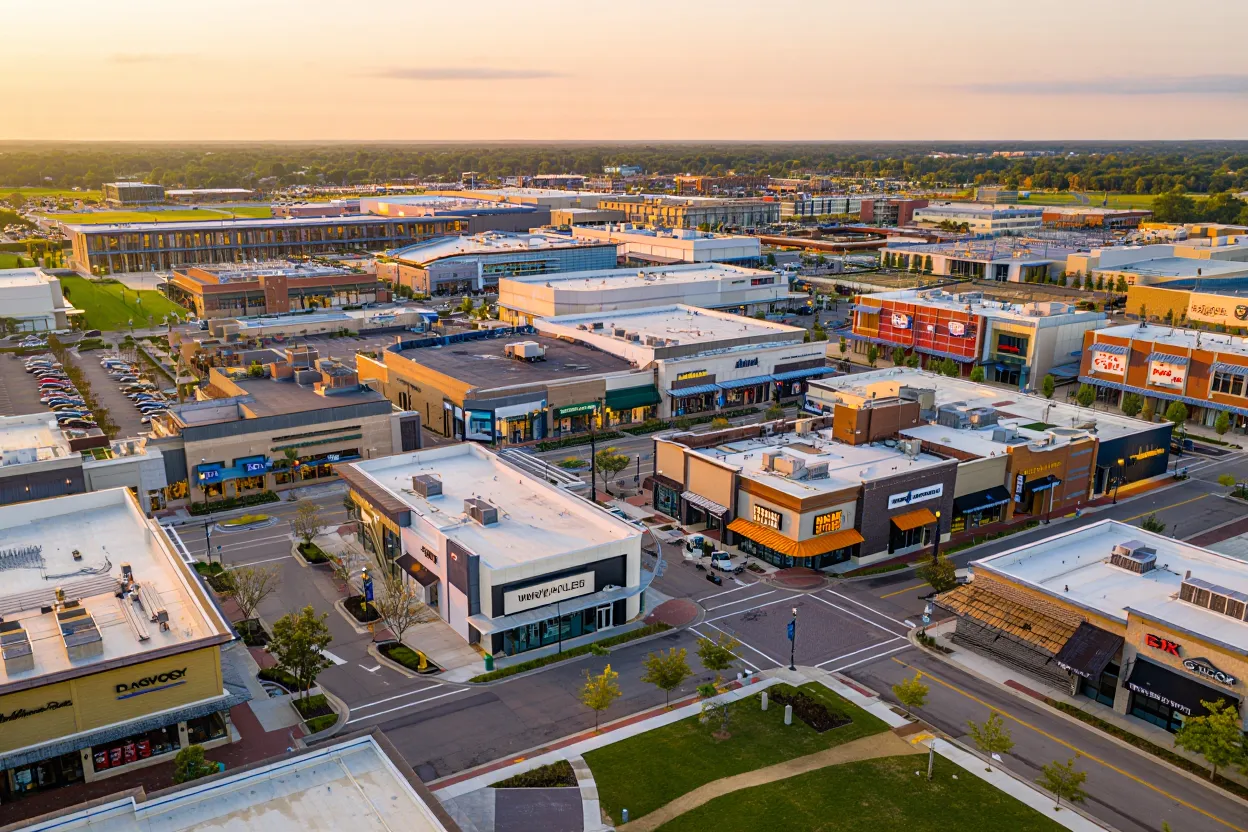
Regional mall CMBS delinquency has declined but remains high at 11.4%. Superregional mall delinquency improved to 5.8%, but both segments are elevated versus pre-pandemic levels. Performance hinges on tenant health, occupancy, and refinancing rather than just consumer demand. These properties still require careful monitoring, even if upcoming retail sales data surprises to the upside.
Get Smarter about what matters in CRE
Stay ahead of trends in commercial real estate with CRE Daily – the free newsletter delivering everything you need to start your day in just 5-minutes
Urban, Necessity-Based & Other Retail Subtypes
Urban/street retail showed one of the sharpest year-on-year improvements, dropping from 19.3% to 7.4% delinquency by Feb-2026. Meanwhile, necessity-driven formats like neighborhood centers (2.7%), community shopping centers (3.5%), and single tenant retail (2.6%) suggest steady-state performance with limited volatility. Outlets (12.7%) and drug stores (6.8%) remain pockets of stress, shaped more by business model shifts and discretionary spending trends. This divergence in performance comes as broader retail property fundamentals continue to show resilience in certain formats, even as closures and tenant reshuffling persist across the sector.
Key Implications for CRE Stakeholders
Retail CMBS delinquencies reflect multiple storylines. While malls and discretionary segments face ongoing hurdles, necessity-based formats maintain resilience. The upcoming retail sales report may shift industry sentiment and future leasing momentum, especially for more sensitive property types. Investors, lenders, and servicers will be watching for inflection points across all subtypes as market fundamentals evolve.