


- Over 506,000 new apartments opened in 2025, with more than half located in the South, highlighting continued demand in high-growth Sunbelt markets.
- Adaptive reuse hit a record, with more than 70,000 apartments created from former offices — and 181,000 more in the pipeline.
- Apartments are getting bigger again, with the national average unit size reaching 908 sq. ft.
- Washington, D.C. led in livability, renter engagement, and new downtown development, establishing itself as the nation’s top metro for renters.
Southern Surge in Construction
More than 506,000 new apartments came online in 2025 — the second-highest total in over a decade, per RentCafe. The South accounted for more than half, fueled by population growth and development in Texas cities like Dallas, Austin, and Houston. While completions dipped slightly from 2024’s record, demand remained strong, especially as urban revitalization accelerated ahead of events like the 2026 FIFA World Cup.
Adaptive Reuse Hits New Heights
The shift from office to residential space ramped up in 2025, with 70,700 units converted from former office buildings — a record and a near-tripling of 2022 figures. Overall, 25,000 new apartments were created via adaptive reuse this year, including projects in former hotels, schools, and industrial buildings. Office conversions now make up 42% of all future adaptive reuse projects, indicating a broader shift in how developers approach underutilized assets.
Apartments Are Getting Bigger Again
After years of shrinking layouts, 2025 reversed the trend. The average apartment now spans 908 SF, with studios and one-bedrooms gaining the most space. Developers favored one-bedrooms — making up nearly half of all new builds — while three-bedrooms continued to shrink slightly.
Get Smarter about what matters in CRE
Stay ahead of trends in commercial real estate with CRE Daily – the free newsletter delivering everything you need to start your day in just 5-minutes
D.C. Leads in Renter Demand, Development & Livability
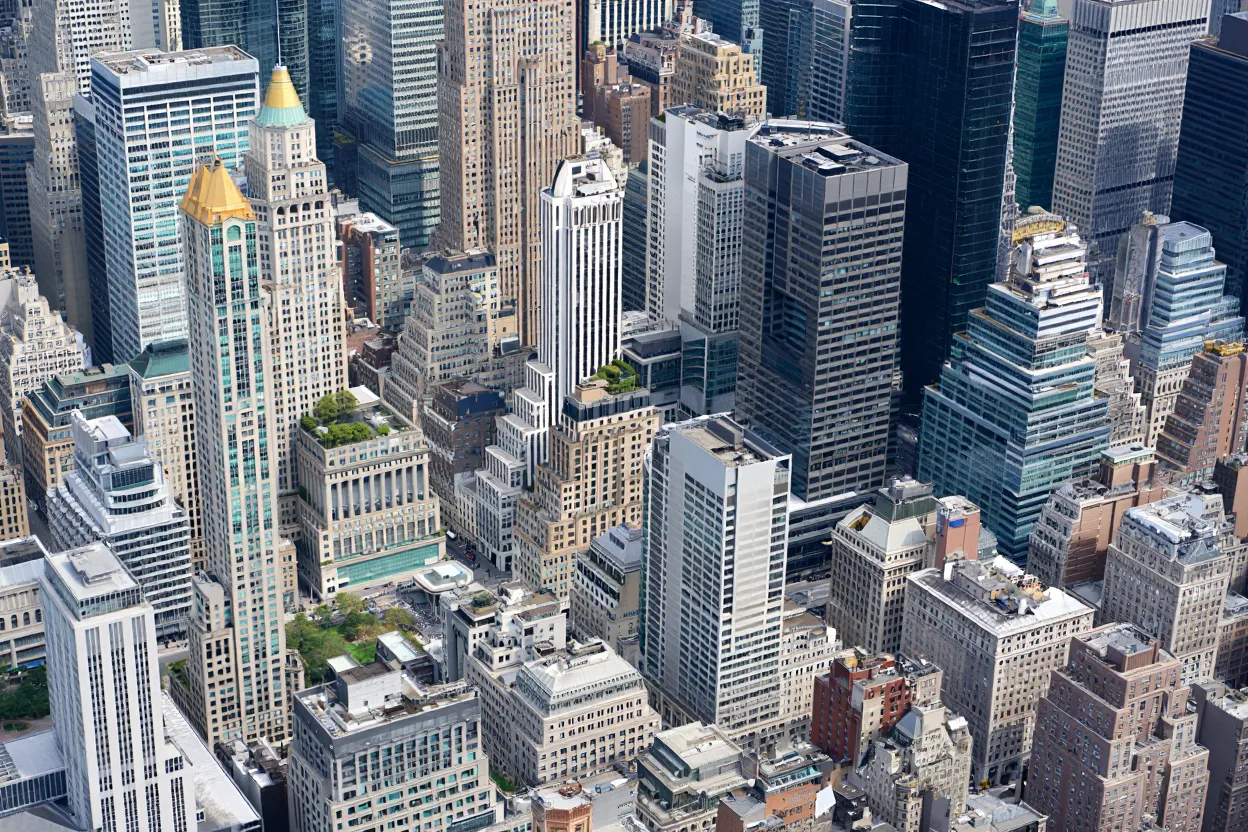
Washington, D.C. was the standout city in 2025, topping rankings for livability, renter engagement, and downtown development. Nearly 80% of the city’s new apartments were built in the urban core — the highest rate in the nation. Nationwide, downtown construction has dipped slightly since 2020, reflecting more strategic development, but D.C. bucks that trend with strong demand and revitalization efforts.
Affordability & Space Still Drive Renter Choices
Southern and Midwestern cities delivered the best value for $1,500/month renters in 2025. In 63% of large cities, renters could secure more than 1,000 sq. ft. of space for that budget. Texas stood out again — not only for space but for luxury rentals priced below market. The state led the nation with 44 ZIP codes offering upscale amenities at reasonable prices.
More Millionaires Choosing to Rent
1 in 11 US renters is a millionaire, as wealthy Americans increasingly opt for flexibility over ownership. Since 2019, the number of millionaire renters has jumped 204%, with Texas cities drawing in high-income individuals seeking low taxes, warm climates, and ease of living. This shift has contributed to notable growth in rental demand across Southern metro areas, where affluent renters are helping drive a sustained housing boom.
Millennial millionaires, in particular, are far more likely to rent than Gen Xers, who lean toward homeownership.
Gen Z: America’s Most Mobile Renters
Gen Z renters are reshaping mobility trends, with 72% moving within two years of signing a lease. While down from 83% in 2018, the generation remains the most transient — driven by education, career changes, and lifestyle flexibility. The Southeast and Southwest saw the highest move-in activity, while the Northeast lagged due to limited inventory and high costs.
Competitive Rental Markets Tighten
Miami topped the list of hottest rental markets in 2025, followed by Chicago and parts of Minnesota. In Manhattan, NY, low vacancy rates and high lease renewals left few options for newcomers. Similarly, Fayetteville, AR, and Port St. Lucie, FL, emerged as ultra-competitive smaller markets, with Lubbock, TX, now seeing 11 renters per unit — more than double last year.
College Towns & Gen Z-Friendly Cities
The best college towns of 2025 were concentrated in the West and Midwest, led by Bozeman, MT for the second year in a row. For recent grads, cities like Ann Arbor, MI, Madison, WI, and Pittsburgh, PA offered the best combination of affordability, lifestyle, and job opportunities. These metros reflect Gen Z’s top priorities: balance, budget, and livability.
Why It Matters
The 2025 rental market revealed how demand, demographics, and adaptive reuse are reshaping the US housing landscape. With affordability still top-of-mind — and Gen Z and wealthy renters driving major shifts — developers and renters alike are rethinking what it means to find the right space in the right place.
What’s Next
Expect more conversions, continued Southern growth, and expanding interest in smaller, well-located cities. With over 181,000 adaptive reuse apartments in planning and millions of square feet of office space now viable for transformation, the US rental market is primed for even more change in 2026.