



- Massachusetts rent control measure would cap annual increases at inflation or 5%.
- Early polling shows nearly 63% of voters support the rent control ballot proposal.
- Opponents warn that rent control could slow housing production and lower property values.
- Democrats are split, with Boston’s mayor supporting and the state’s governor opposing the measure.
Strict Limits on Rent Hikes
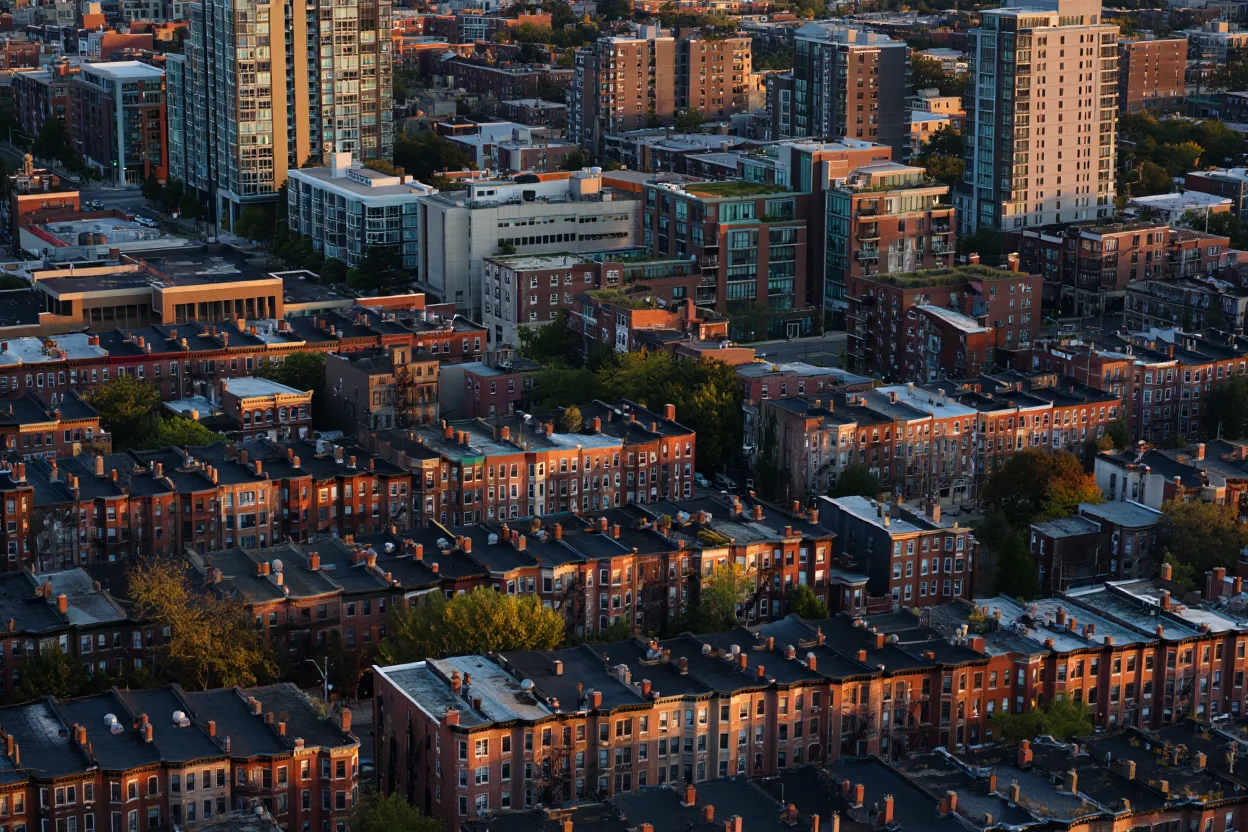
According to The WSJ, a proposed rent control measure could make Massachusetts home to some of the nation’s tightest rent regulations. The proposal—set for the November ballot—would limit rent increases to the lower of inflation or 5% annually, with few exceptions. The measure arises as median two-bedroom rents in the state reach $2,560 per month, significantly above national averages.
Democrats at Odds
The rent control debate is creating fault lines among Massachusetts’ political leadership. Boston Mayor Michelle Wu is backing the initiative, citing the state’s affordability crisis. In contrast, Governor Maura Healey has voiced her opposition, joining landlord and developer groups warning of stifled housing supply.
Get Smarter about what matters in CRE
Stay ahead of trends in commercial real estate with CRE Daily – the free newsletter delivering everything you need to start your day in just 5-minutes
Industry Concerns and Exemptions
Real estate industry groups argue that strict rent control, as proposed, could depress new development and reduce property values. The measure would exempt new construction for 10 years and owner-occupied buildings with four or fewer units. Similar dynamics have also played out elsewhere, where tighter regulations reshaped investor activity. Still, groups like the Greater Boston Real Estate Board have pledged multimillion-dollar campaigns to oppose the policy.
Voters and Next Steps
Rent control has history in Massachusetts, having been banned in 1994. The current measure gained over 88,000 certified signatures, signaling grassroots momentum. If state legislators do not take up the proposal, supporters will need roughly 12,400 more signatures for the November ballot. Voters and industry watchers are closely following the rent control debate as Massachusetts weighs how best to address rising housing costs.