

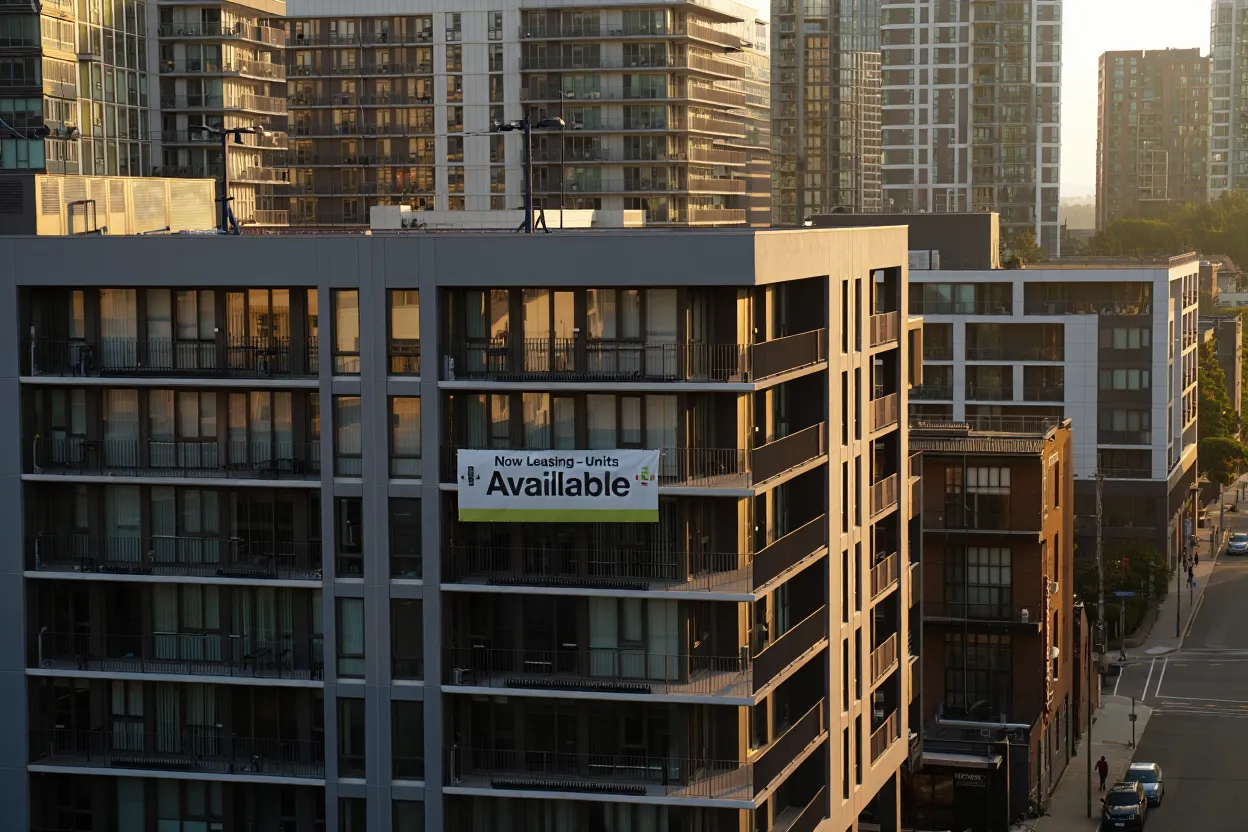

- Rent concessions are increasing across multifamily markets as developers contend with a historic surge in new supply and rising vacancies.
- While spreads on low-leverage multifamily loans remain tight, operational stress is mounting—especially in Sunbelt cities like Atlanta, San Antonio, and Houston.
- Concessions can mask true rent performance and lead to inflated valuations, raising risk in CMBS markets and making DSCR metrics more volatile.
- Economic vacancy and effective rent will remain critical indicators for multifamily underwriting in 2026 as the market recalibrates.
A Pressure Point for Multifamily
After a record-setting 592,000 multifamily units delivered in 2024, competitive leasing pressures are surfacing across the US, especially in high-growth markets where demand hasn’t kept pace. Rent concessions—free months, reduced deposits, or waived fees—are on the rise again, signaling that operators are increasingly leaning on incentives to attract and retain tenants.
According to Trepp, national vacancy reached 7.2% in late 2025, and median asking rents dipped 1.0% month-over-month. Still, lenders haven’t broadly adjusted risk pricing, with low-leverage multifamily spreads holding in the low 140s over the 10-year Treasury.
Hidden Risk Behind the Incentives
Rent concessions directly widen the gap between what operators advertise (asking rent) and what they collect (effective rent). This impacts cash flow, net operating income, and debt service coverage ratios (DSCR). In markets with surging expenses—particularly insurance and taxes—this sensitivity is amplified.
Expense growth is outpacing revenue in many markets: while revenue posted a 4.96% CAGR over the past decade, insurance costs rose 12% annually and real estate taxes climbed 5.43%. These cost pressures have contributed to over 5,300 securitized multifamily properties now reporting DSCRs below 1.0x, a key threshold for lender risk.
Where Concessions Are Hitting Hardest
Markets with heavy new construction are feeling the effects most. Trepp data shows the highest concentrations of underperforming multifamily loans in:
- San Antonio: 17.8%
- Atlanta: 17.4%
- San Francisco: 15.0%
- Houston: 14.3%
- Dallas–Fort Worth: 13.4%
These metros have faced a mix of aggressive supply pipelines, softening demand, and increased use of incentives—sometimes masking economic underperformance behind strong physical occupancy. This aligns with broader trends observed in recent analyses of how nationwide inventory growth has accelerated the use of rent concessions.
Get Smarter about what matters in CRE
Stay ahead of trends in commercial real estate with CRE Daily – the free newsletter delivering everything you need to start your day in just 5-minutes
Regulatory and Behavioral Forces at Play
Beyond market dynamics, regulation and tenant behavior are shaping how concessions are used. Rent caps and freezes, such as those proposed in New York City, constrain pricing flexibility and heighten exposure to cost shocks. In fact, delinquency on rent-stabilized CMBS loans in NYC hit 10.8% at its peak, compared to under 1% for market-rate loans nationally.
Operators are also navigating consumer psychology. Many tenants prefer the perception of receiving a deal, pushing landlords to keep published rents high while quietly offering incentives—a tactic that complicates underwriting and valuation.
New disclosure rules from the Federal Trade Commission may force more transparency around rent incentives, potentially improving visibility for lenders and investors.
Outlook for 2026
With about 750,000 units still under construction and completions expected to taper through 2026, the balance of supply and demand remains fragile. Net absorption outpaced new deliveries in 2024, a positive sign, but concessions are likely to linger in oversupplied markets until this trend stabilizes.
Investors and lenders will be watching closely to see if rent incentives burn off—or become a long-term fixture of a more competitive leasing environment.
Bottom Line
Rent concessions are more than a marketing tool—they’re a window into the underlying health of the multifamily market. In 2026, they’ll continue to serve as a critical signal for underwriting risk, cash flow strength, and pricing discipline in CRE.