





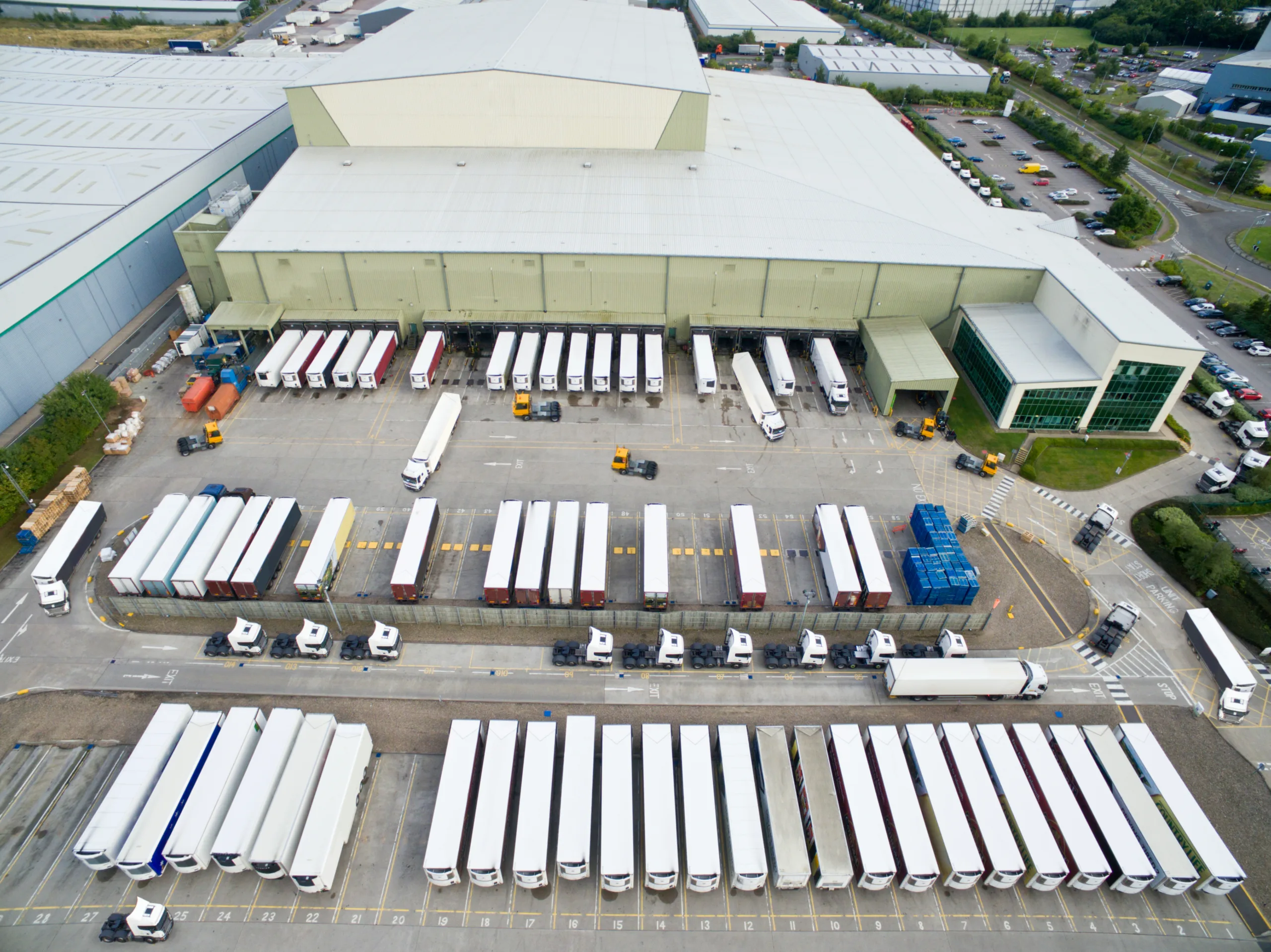
- Power readiness now drives logistics real estate site selection alongside traditional factors.
- Facilities with on-site generation, microgrids, and advanced energy systems gain long-term resilience.
- Innovative energy models and partnerships are critical for grid stability and tenant sustainability goals.
- Logistics real estate must support EV fleet charging and scalable electrification.
Power Moves Front and Center
Globe St says that with grid constraints and growing reliability concerns, power readiness has become central in logistics real estate. According to a recent Prologis white paper, companies are prioritizing energy infrastructure—including on-site generation and microgrids—when choosing facilities. These enhancements ensure operational continuity as more logistics operations depend on electrification and automation.
Energy Innovation in Warehousing
As electric fleets and automation gain momentum, the demand for facilities with robust, scalable power is accelerating. Consequently, logistics real estate is evolving—shifting from merely supporting the supply chain to becoming a platform for energy innovation. In particular, facilities that feature on-site solar, energy storage, and microgrids are now preferred. These energy-ready properties not only enable uninterrupted operations but also advance tenants’ sustainability goals.
Get Smarter about what matters in CRE
Stay ahead of trends in commercial real estate with CRE Daily – the free newsletter delivering everything you need to start your day in just 5-minutes
Overcoming Investment Hurdles
Leased logistics centers often encounter challenges investing in major energy upgrades due to short lease terms versus payback timelines. In response, Prologis has launched a distributed energy model, investing in power infrastructure while offering tenants flexible access via energy service agreements. This helps tenants control costs and achieve sustainability targets without significant upfront investment.
Meeting Tomorrow’s Demand
As logistics firms shift to zero-emission commercial fleets, on-site power capability becomes essential. Developers are designing facilities with EV charging infrastructure, microgrids, and ample electrification capacity in mind. Those prepared for high power demand—including lessons from energy-intensive data centers—will remain competitive and ready to deliver continuity as industry needs evolve. This intersection between power-intensive logistics and the evolving role of energy providers reflects a broader trend of tech and utility partnerships emerging to meet rising grid demands.