


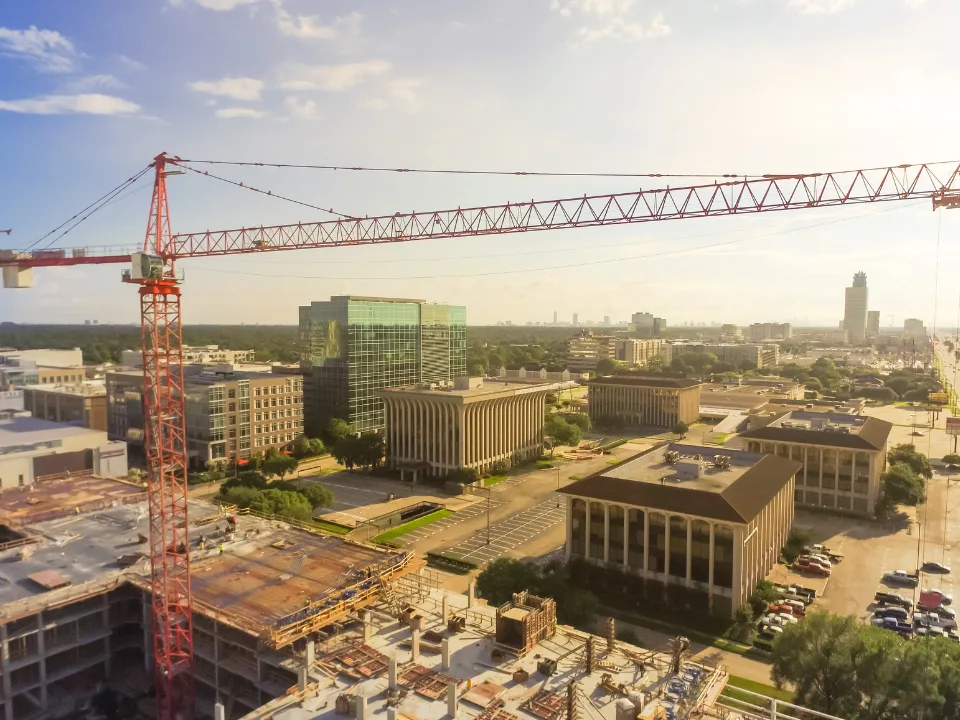
- California and Texas top the list of eligible census tracts for Opportunity Zone 2.0, with Los Angeles and Houston leading in their respective states.
- The updated program introduces stricter rules, reducing the total number of zones and intensifying competition.
- Developers expect strong demand in both urban and rural areas, with investment likely in housing, logistics, and manufacturing.
Stricter Rules, Bigger Stakes
According to The Real Deal, Opportunity Zone 2.0 revises the 2017 federal program and is now permanent under the One Big Beautiful Bill Act. While the number of qualifying zones will shrink nationwide, California and Texas remain in front. California has 2,738 eligible census tracts. Texas follows with nearly 2,500.
Houston and Los Angeles Stand Out
Houston leads Texas in zone count. The metro area has 631 eligible tracts, with Harris County alone accounting for 526. That’s five times more than it received in the 2017 version. Other large county counts in Texas include Dallas (297), Bexar/San Antonio (155), Tarrant/Fort Worth (143), and Travis/Austin (96).
Los Angeles County ranks first in California, with 846 eligible tracts. In the Bay Area, key counties include Alameda (105), Santa Clara (88), San Francisco (84), and Contra Costa (71). Even smaller counties like Solano, Sonoma, and Marin will benefit.
Get Smarter about what matters in CRE
Stay ahead of trends in commercial real estate with CRE Daily – the free newsletter delivering everything you need to start your day in just 5-minutes
Tighter Guidelines and Deadlines
The updated rules tighten eligibility by lowering income thresholds and removing the “contiguous tract” exception. Experts estimate the total number of zones will drop by more than 20%. This change is already increasing lobbying efforts before the July 1, 2026, deadline for governors to make final selections.
Though urban centers still dominate the map, legal experts expect rural areas to receive more attention this time around.
Program Shows Track Record of Impact
The original Opportunity Zone program outperformed expectations. Developers built about 68,000 more housing units than previous trends suggested, with an estimated value of over $18B, according to CoStar.
In 2017, only 12% of new apartments were built in Opportunity Zones. That number jumped to 18% by 2021. Currently, 23% of new apartments under construction fall within these designated zones.
Los Angeles saw the biggest boost. Before the tax incentives, its Opportunity Zones had just 1,245 new units. Last year, developers added 3,432 units, and another 7,441 are on the way.
What’s Next
The program will open for investment on January 1, 2027. Developers are already identifying prime sites. While critics argue the benefits don’t always reach low-income communities, the program continues to drive real estate activity.
With stricter rules and fewer zones, states and developers now face a high-stakes race to define the next wave of real estate investment opportunities. Expect housing, industrial, and service-sector projects to lead the charge.