



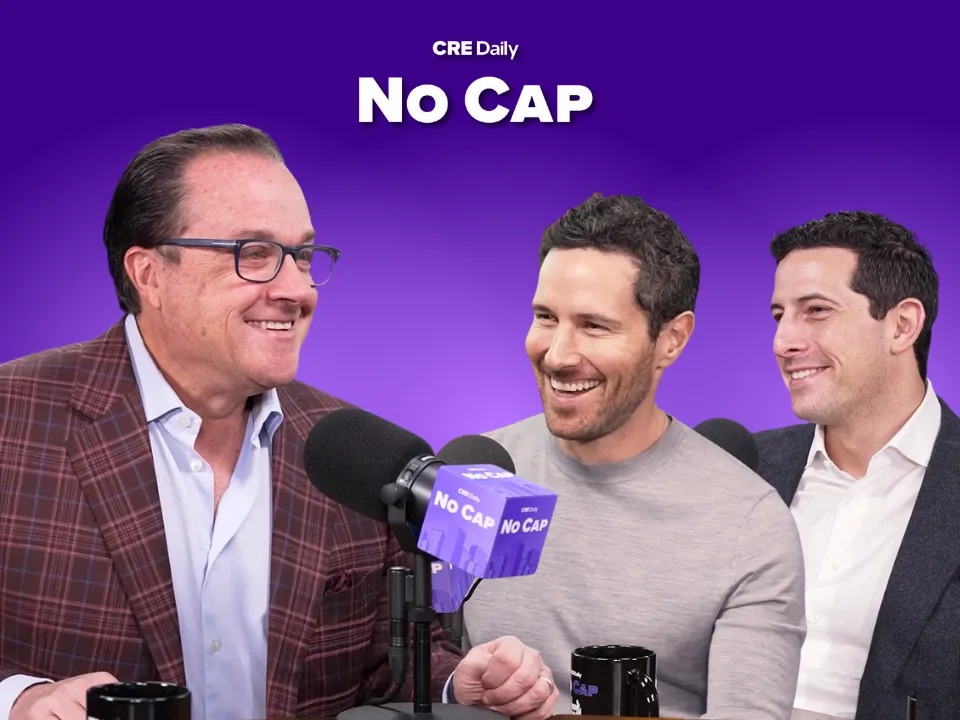
Season 4 of the No Cap podcast features a guest who’s seen every cycle, bought through every dislocation, and built one of the region’s most respected platforms. This time, it’s Jon Schultz, co-founder and managing principal of Onyx Equities.
Across office, industrial, retail, and life sciences, Onyx has become synonymous with complex turnarounds and large-scale repositionings. Moreover, Jon has helped the firm deploy billions, navigate seismic shifts in capital markets, and spot opportunity in places most operators overlook. In short, this episode becomes a deep dive into what it takes to win in today’s market.
Conversation Highlights
Alex: You grew up around real estate. Give us the early story.
Jon Schultz: I came from a real estate family. My father was a developer in New Jersey when the office market barely existed. I spent summers on construction sites and in his office watching land turn into something real. I loved the business from the beginning.
Jon: I started in industrial brokerage and kept tenant notes on index cards. It helped me understand how goods moved and it kept me out talking to people every day.
Jack: Eventually you joined your father and built your own platform.
Jon: I was ready to join a larger firm, but the compensation structure changed the day before. I talked to my father, and we opened a small office in Woodbridge. Our first deal was two distressed office buildings affected by the 1986 tax reform, and we stabilized them by focusing on the asset every day.
Jon: That approach eventually led to launching Onyx Equities in 2005 with my partner, John Saraceno.
Alex: What is Onyx focused on today?
Jon: Real estate is local. If you understand the tenants, the people, and the dynamics, you can be the best in that geography. We started in B and B+ suburban office and expanded into A+ office, industrial, logistics, and life sciences. We follow market momentum, and we stay close to the customers.
If you’re willing to show up and solve problems, there is always room for you in this business.
Jack: Office has been the big question. What are you seeing?
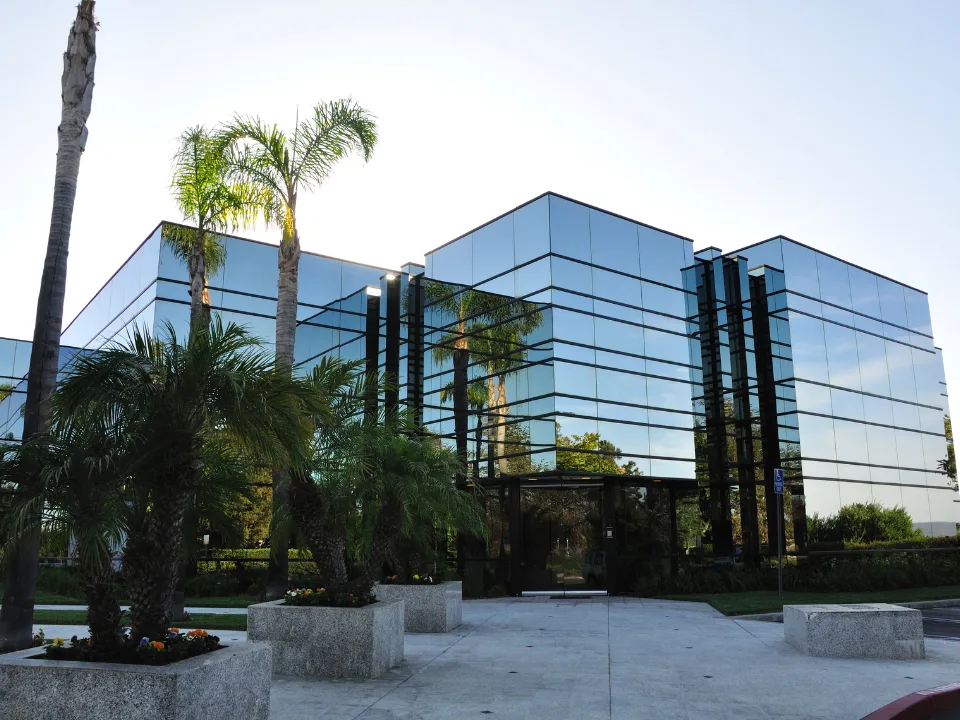
Jon: It’s A+ or nothing. You need capital, amenities, food, shared spaces, service, and a hospitality mindset. Food is the number one thing people care about right now, and our parking lots are full. It’s a three-and-a-half to four-day workweek, but people have come back.
Jack: What about life sciences?
Jon: AI will accelerate healthcare innovation, and similarly, it’s driving demand for labs, infrastructure, and talent. New Jersey’s pharma campuses haven’t traded in decades, and the infrastructure is exceptional. Now, opening them to multiple tenants is creating brand-new opportunities.
Alex: And across your suburban assets, what stands out?
Jon: Medical office is growing quickly. For example, healthcare is shifting outside hospitals, and you’re seeing more diagnostics, urgent care, and doctors’ offices. Meanwhile, suburban density is rising too, and thousands of apartments are being built around some of our properties.
Jack: Everyone is chasing data centers. What are you seeing?
Jon: Power is everything. Operators want proximity to substations and guaranteed load, and utilities are overwhelmed. You used to get load studies for free. Now they charge real money because demand is so intense, and sites today are 100 megawatts and larger, sometimes up to 600 or 800.
One of Onyx’s recent data center deals succeeded because the site had existing power from its prior life-science use.
Jon: That power capacity made the difference, and once ChatGPT launched, every major operator wanted to look at that site.
Alex: You use a lot of AI tools. How do they fit into your work.
Jon: I try them all. What used to take three and a half weeks now takes two days, and I can abstract long leases with amendments in minutes. It feels like the early internet moment when everything started accelerating at once.
Alex: Big picture, how do you see the tri-state region?
Jon: I wake up and ask what the rules are and how to play the game that day. However, I don’t get caught in political noise. Because at the end of the day, there is always a good piece of real estate. Ultimately, timing, demographics, and life stages all matter.
People think markets move in straight lines, but they don’t. They pause, they reset, and then they run again.
Jack: Where are we in the cycle right now?
Jon: Rates are finally moving the right way. They rose faster than anything we’ve seen, but many workouts have already played out. This is a moment for operators. If rates shift correctly, you can make a mistake and still have cover.
Alex: What does demand look like inside your portfolio?
Jon: We’ve never had higher occupancy. Anyone who wanted their people back and wanted the best environment moved into A+ buildings, and some companies that downsized came back looking for more space soon after. People adjust fast.
Jon says the office business now resembles hospitality more than traditional property management.
Jon: The building needs a brand. Likewise, it needs service and an experience. Above all, Onyx has to mean something.
Jack: Final question. What are you excited about heading into 2026?
Jon: Opportunity. Markets aren’t perfect right now, and that’s when entrepreneurs can create something new. Change opens new doors.
Jon views the coming year as a chance to reinvent and reposition for a new cycle. To sum up, he sees 2026 as a moment where change creates the most opportunity.
Jon: I enjoy building and adjusting, and I’m excited for the people around me and what we’ll do next.
Watch the full episode on our YouTube Channel or your favorite podcast app.
Tune in weekly for new episodes of No Cap by CRE Daily!