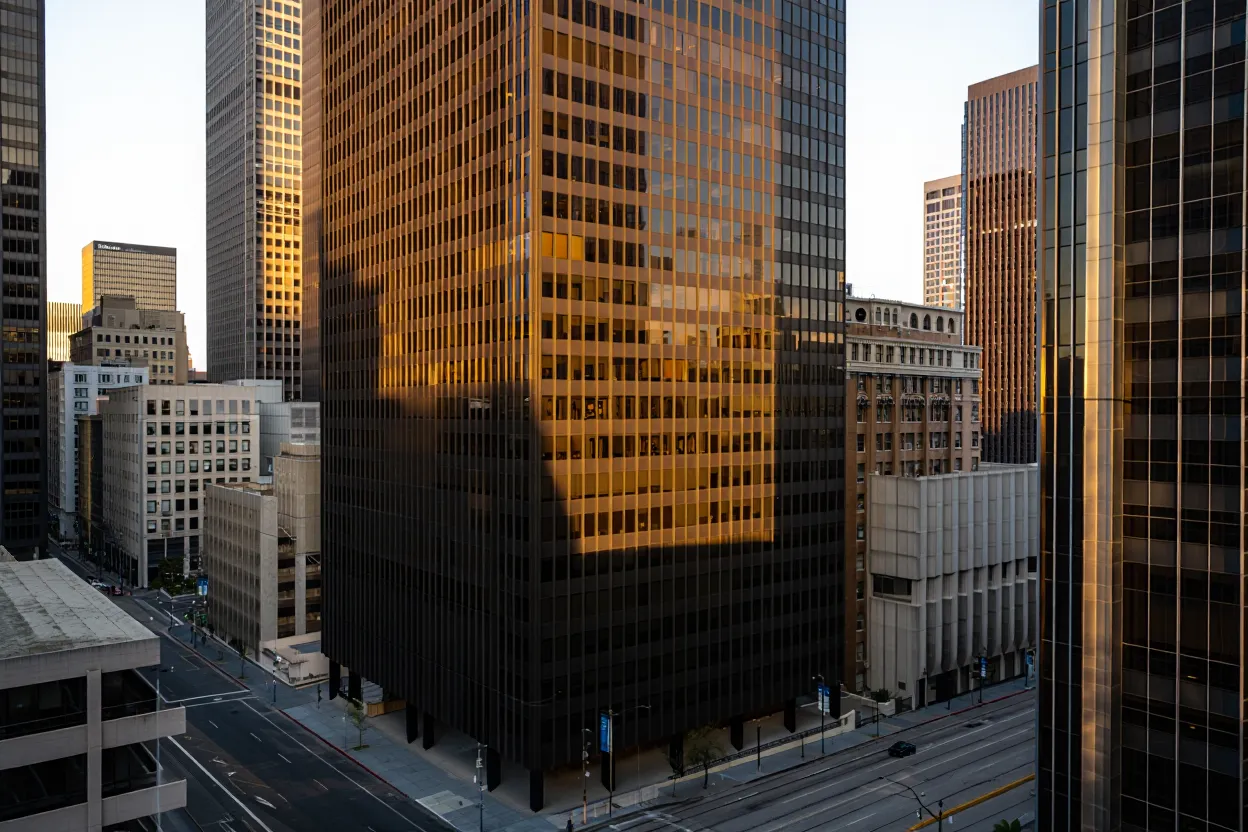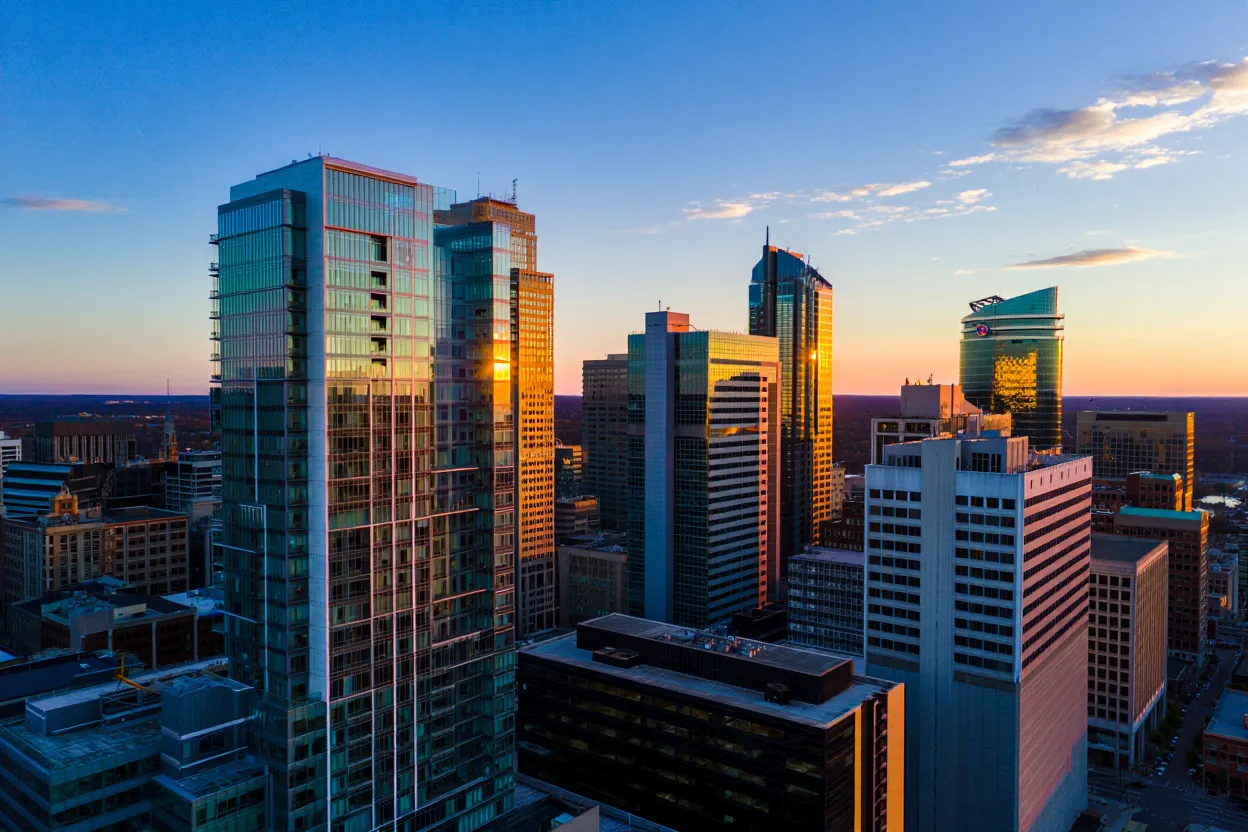




- Office leasing in Lower Manhattan doubled in 2025, reaching 4M SF—the highest level in over a decade.
- Residential conversions removed millions of SF of office space, tightening supply and boosting demand.
- Vacancy dropped to 17.8%, down 100 basis points year-over-year, signaling a more balanced market.
- Tenants are staying Downtown, drawn to Class A and trophy buildings offering quality space at competitive rents.
Conversions Fuel Comeback
Lower Manhattan’s office market is bouncing back in a big way, as reported by Commercial Observer. A December JLL report shows 2025 office leasing in Lower Manhattan hit 4M SF—more than double the 2024 total. This leasing boom is partly fueled by offices being converted into residential units. That trend is reshaping the local supply‑demand balance.
Since 2020, Downtown has lost 5.5M SF of office space and will shed 5.8M SF more, per JLL. These changes have forced 2.2M SF of existing tenancy to relocate, many of whom are choosing to stay in Lower Manhattan.
Vacancy Falls, Demand Rises
The impact of these conversions is clearly reflected in vacancy trends. Lower Manhattan’s office vacancy rate fell to 17.8% in Q3 2025, down from 18.8% a year earlier. As tenants vacated buildings undergoing conversion, they sought nearby alternatives—boosting leasing velocity.
Midtown and Midtown South have seen office absorption rebound. Meanwhile, Downtown still offers large blocks of high-quality space at relative discounts. This makes it attractive to both displaced firms and new entrants.
Get Smarter about what matters in CRE
Stay ahead of trends in commercial real estate with CRE Daily – the free newsletter delivering everything you need to start your day in just 5-minutes
Big Deals And Trophy Space Dominate
One of the most significant deals of the year came from Jane Street, which renewed and expanded its lease to 980K SF earlier in 2025. But even excluding that lease, JLL reports that office activity downtown was already up 46% year-over-year.
Class A and trophy buildings saw 2.7M SF leased in 2025—nearly triple the volume recorded in 2024. Buildings like 140 Broadway, 28 Liberty, One New York Plaza, and those in the Water Street corridor have emerged as top destinations.
What It Means
The changes Downtown reflect more than just a shift in leasing patterns—they mark a fundamental repositioning of the district. JLL’s team notes that the reduction in office inventory has helped stabilize the market. Persistent demand from displaced tenants has also played a key role. Together, these factors are pushing the market toward equilibrium after years of post-COVID oversupply.
With asking rents rising 3.1% year-over-year, landlords are regaining leverage in a market that had heavily favored tenants in recent years.
Looking Ahead
With leasing momentum high and inventory tightening, Lower Manhattan is set for one of its strongest demand environments in over a decade heading into 2026. Office conversions continue to shrink available supply. At the same time, tenants are seeking high-quality, well-amenitized space. As a result, the district is likely to maintain its appeal—and may even outperform its Midtown counterparts.