


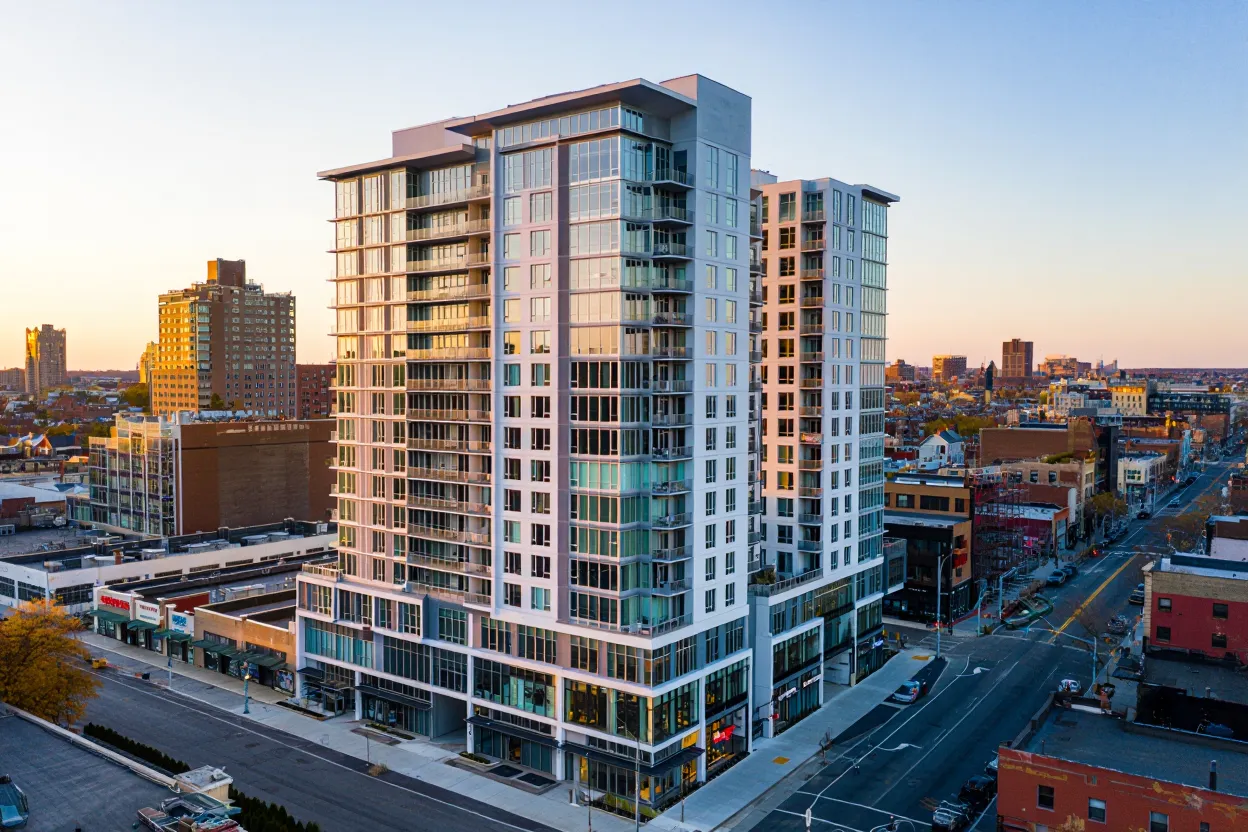

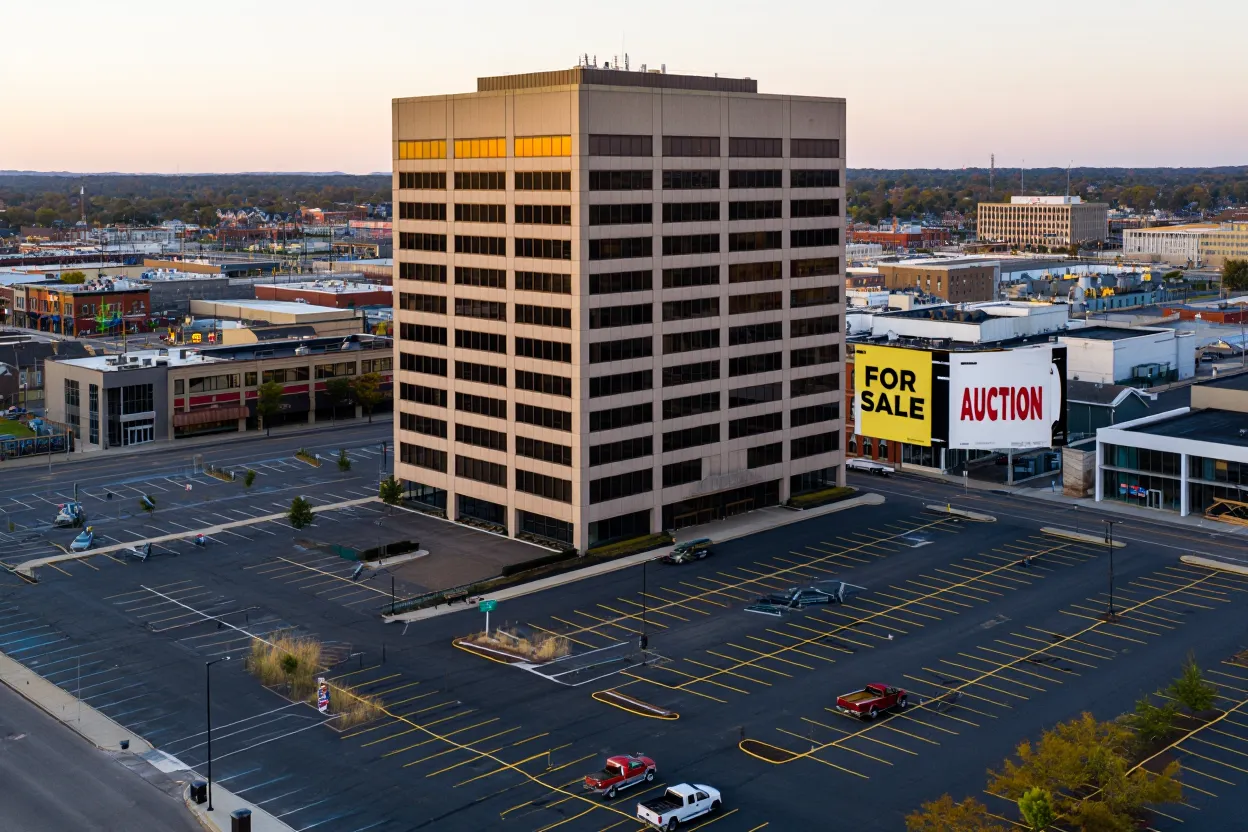
- Office distress is hitting hard, with some US office buildings selling at over 90% discounts from prior values.
- Distressed buying is fueling urban farm and residential conversions, especially in markets like Chicago and Washington, D.C.
- Transaction volume for distressed office assets, including foreclosures, continues to rise in both downtown and suburban markets.
- New buyers, from developers to high-net-worth individuals, are capitalizing on record-low prices in office distress deals.
Deep Discounts Draw Buyers
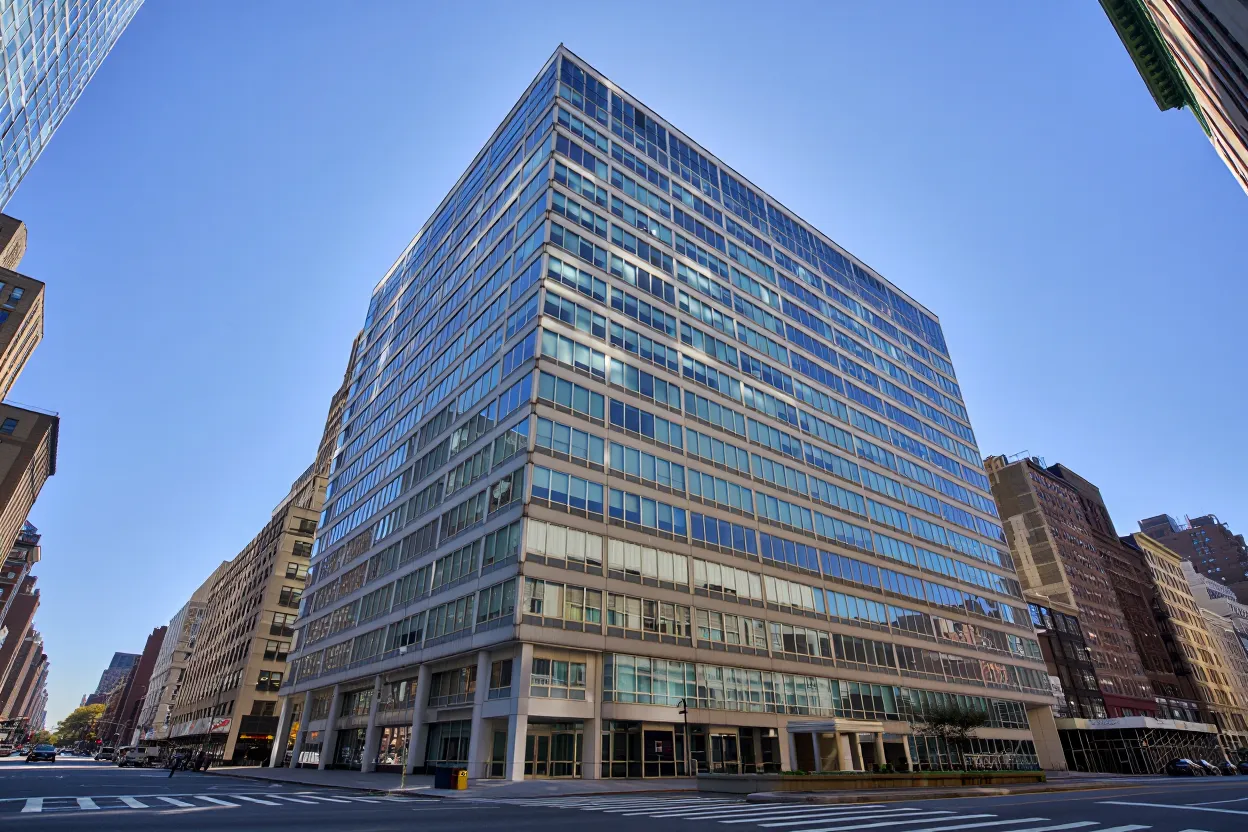
The WSJ reports that the US office sector faces a wave of distress, with some landmark buildings changing hands at a fraction of past values. In Chicago, a 485 KSF office building sold for $4M—down from $68.1M a decade ago—while Denver’s Energy Center, once valued at $176M, traded for just $5.3M after foreclosure. Even the General Services Administration sold a 940 KSF property in Washington, D.C. for $24M, only a fraction of its former worth.
Pivotal Office Distress Sales
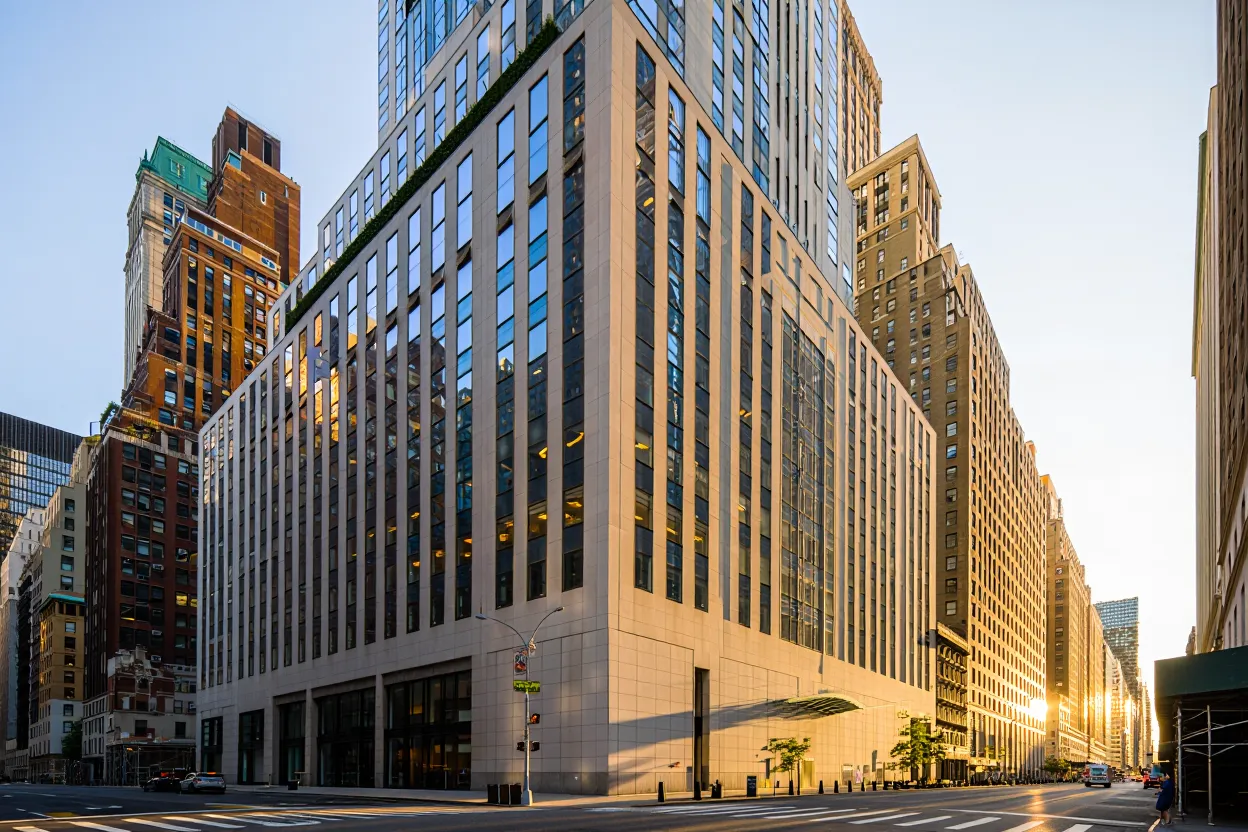
Most deep-discount sales involve lower-quality assets or properties in weaker locations, but even higher-tier office assets have lost significant value. According to Green Street, average values for better properties remain down about 35% from their peak. Developers and investors are leveraging these fire-sale prices to pursue alternative uses such as residential conversions and urban farming.
Conversions and Redevelopment on the Rise
Office distress has opened opportunities to redevelop aging properties. In Chicago, the new owner is converting an empty building into an urban farm using hydroponic technology. Nationwide, over 90,000 apartments are being created from office-to-residential conversions, a 28% year-over-year increase per RentCafe, spurred by tax incentives and easier entry prices. This growing pipeline is helping fuel a broader surge in apartment supply, as more cities lean on conversions to address housing shortages and unlock value from obsolete office stock.
Get Smarter about what matters in CRE
Stay ahead of trends in commercial real estate with CRE Daily – the free newsletter delivering everything you need to start your day in just 5-minutes
Transaction Trends and Active Players
Distressed office transactions surged last year, with 204 buildings changing hands versus 133 in 2024, totaling $5.2B, according to MSCI. Suburban and downtown areas are both seeing sharp price corrections, with some assets being demolished for industrial redevelopment. Major investors such as Cross Ocean Partners and high-net-worth buyers are targeting these bargains, hoping to profit from existing cash flow or large-scale reconversions.
Why Office Distress Matters
Office distress reflects a broader industry reset after years of pandemic-driven disruption, hybrid work adoption, and high interest rates. Most institutions remain cautious, while private capital and developers seize opportunities. Many believe the office market is nearing a bottom as owners, lenders, and special servicers accept steep losses and move forward with sales.