

- Office conversions remain widespread, with over 81M SF in progress, but a rebound in leasing is shifting some developer strategies.
- Major landlords like Vornado are reversing conversion plans, betting on renewed demand for well-located, upgraded office space.
- Feasibility challenges persist, as conversions often cost 20% more than new builds and many buildings are physically unsuitable for reuse.
- Remote work rollbacks by major employers are fueling increased office demand, especially for Class A and boutique office properties.
The Post-Pandemic Pivot — Now In Question
After the pandemic, US office owners moved quickly to convert underused buildings into apartments, hotels, and other higher-demand property types. With high vacancies and changing work habits, conversions became key to revitalizing downtowns and easing urban housing shortages.
But a shift is emerging, reports CoStar. With leasing activity ticking up in Class B and Class C buildings — and top-tier space remaining in high demand — some landlords are rethinking whether conversion is still the best bet.
A High-Profile Reversal
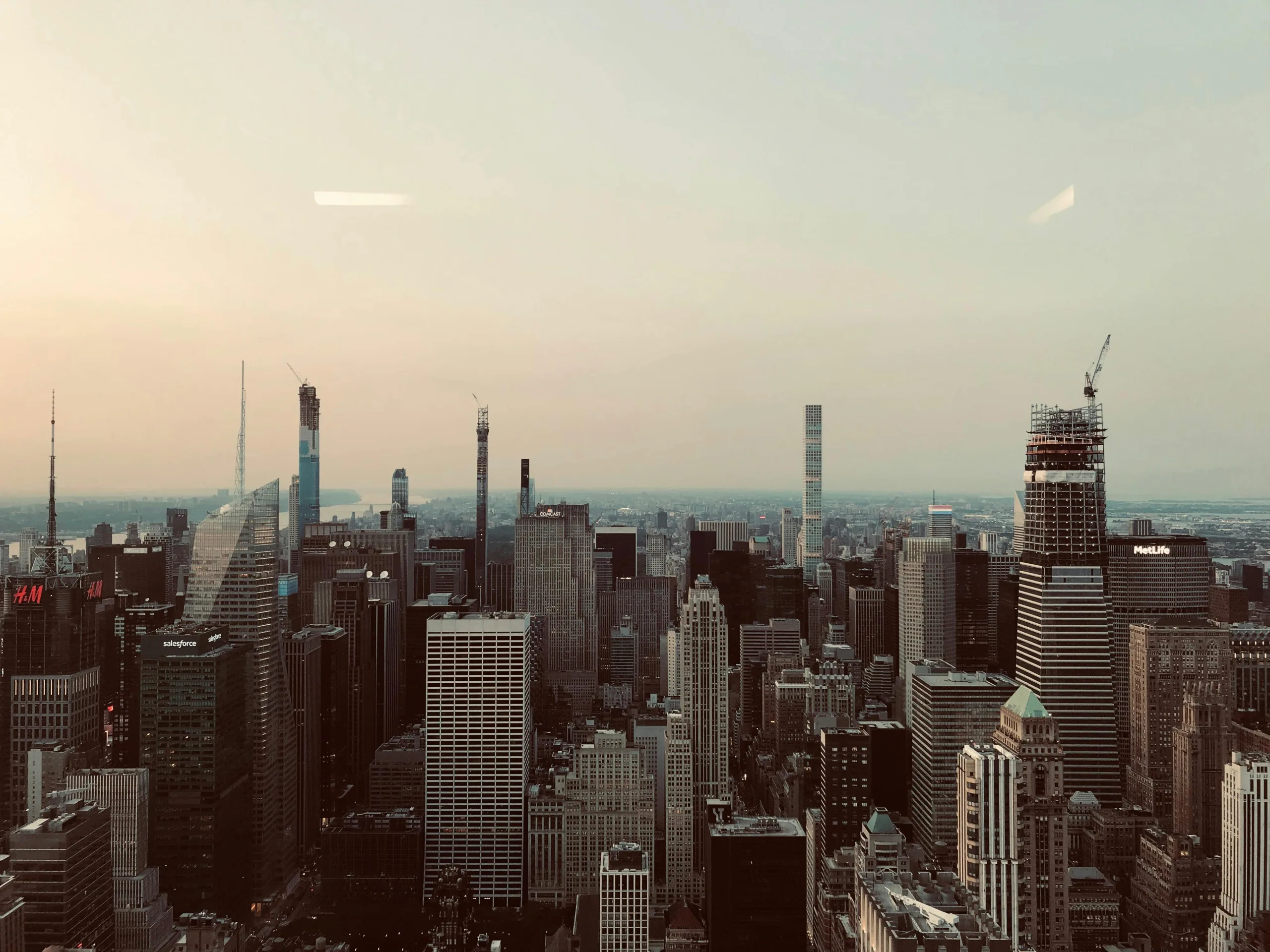
One of the most prominent examples is in New York City. Vornado Realty Trust has scrapped plans to convert office space atop the Saks Fifth Avenue building into residential units. Instead, the developer is doubling down on repositioning it as a high-end boutique office tower.
CEO Steven Roth described the property as a “trophy on top of a podium,” emphasizing that redeveloping existing office space is now more cost-effective and faster than ground-up construction.
Get Smarter about what matters in CRE
Stay ahead of trends in commercial real estate with CRE Daily – the free newsletter delivering everything you need to start your day in just 5-minutes
Conversion Boom Still Going Strong
Despite some reversals, the national trend toward conversions hasn’t slowed. According to CBRE, over 81M SF of office space is currently in the conversion pipeline — more than new construction — and three-quarters of it is being turned into multifamily.
Over the past decade, 33K units were added through conversions, easing housing shortages in cities like NYC, SF, Boston, and Philly. Local governments are continuing to back the trend, offering incentives and streamlining zoning to speed up redevelopment.
In Denver, the city plans to fund roughly a dozen downtown conversion projects as part of its strategy to shift from a traditional CBD to a “central neighborhood district.”
Not Every Building Can Make The Leap
While demand is rising for office reuse, conversions remain complicated. Older buildings often come with outdated systems, awkward layouts, or high retrofit costs. Converting an office into multifamily, for instance, costs around 20% more than building from scratch.
Those economics are causing developers to weigh office reuse more cautiously — especially as office fundamentals improve.
A Market At A Crossroads
Nationwide office vacancy remains high at over 14%. However, leasing volume is rebounding, especially in cities where companies like Amazon, JPMorgan Chase, and Starbucks have ended flexible work policies. Many are now mandating more in-person attendance.
The return-to-office momentum is giving landlords a reason to pause before committing to conversions. In some markets, it’s tipping the balance back toward office renovations rather than transformations.
What’s Next
Even with improved office sentiment, the US is far from uniform. In some cities, conversions still offer the best economic path forward. In others, particularly where trophy office space remains in short supply, landlords are betting on a return to the office.
As Mark Lammas of Hudson Pacific Properties puts it: “It’s all a numbers game.”