



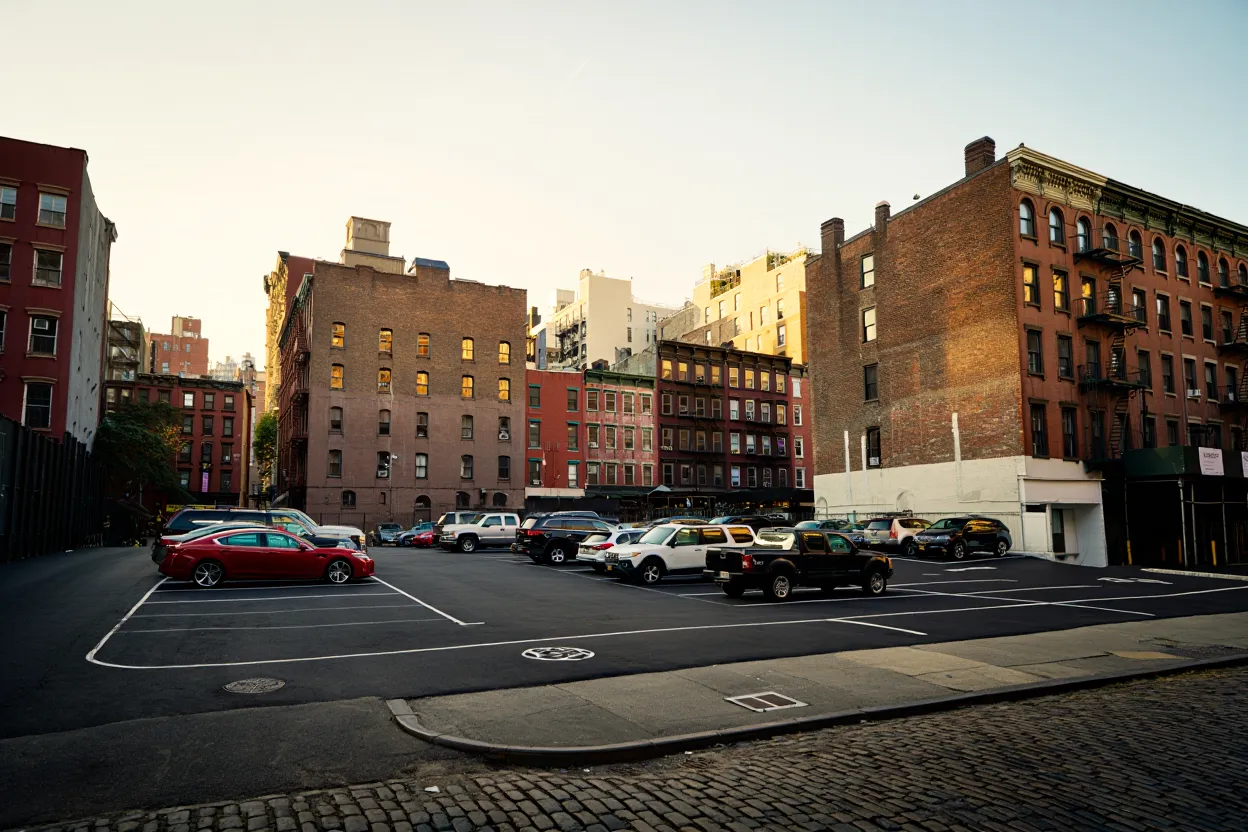
- NoHo’s 375 Lafayette St. parking lot is the focus of a major affordable housing debate.
- Local preservation groups and celebrities are opposing a 19-story mixed-income project.
- The project’s fate could signal the direction of affordable housing development citywide.
- Landmarks review has become a key battleground as zoning barriers fall.
Development Spotlight: 375 Lafayette St.
A planned 19-story, 200-unit apartment building at a NoHo parking lot has become ground zero for New York City’s affordable housing struggle. With one quarter of the proposed units set aside as affordable, the project by Edward J. Minskoff Equities and Edison Properties must clear the Landmarks Preservation Commission (LPC) due to NoHo’s historic status, according to Bisnow. Celebrities and preservationists, including high-profile residents, oppose the tower, citing concerns about neighborhood character and project scale.
Preservationists Push Back
Advocacy organizations such as Village Preservation are leading the fight against the development, arguing that while affordability is important, the bulk of new housing remains out of reach for most New Yorkers. They claim proposed market-rate units won’t address the affordability gap and are pressing for more meaningful solutions, while also opposing projects that would impact historic districts—even those offering 100% affordable housing.
Get Smarter About What Matters in New York
Subscribe to our free newsletter covering the biggest commercial real estate stories across the five boroughs — delivered in just 5 minutes.
Shifting Barriers and City Policy
Recent rezonings and ballot measures, including City of Yes, have made it easier for developers to propose new housing in Manhattan. Without restrictive zoning, landmarks reviews are one of the few local tools to shape or halt development. The policy shift has also fueled new development strategies across the city, including a surge in transactions involving unused development rights as property owners look for ways to maximize density under the evolving zoning framework. The Adams and Mamdani administrations have both pledged to boost New York affordable housing supply, though landmark designations are down and opposition still complicates construction timelines.
The Larger Citywide Picture
Preservation groups state their opposition is not rooted in anti-housing sentiment but in preserving neighborhood character and preventing oversized developments. Critics claim such efforts restrict much-needed new inventory as the city faces over $6,400 average rents and a 1.4% vacancy rate. With less than 5% of city land landmarked—but much concentrated in wealthy enclaves—the struggle over 375 Lafayette could set the tone for New York affordable housing development for years to come.