



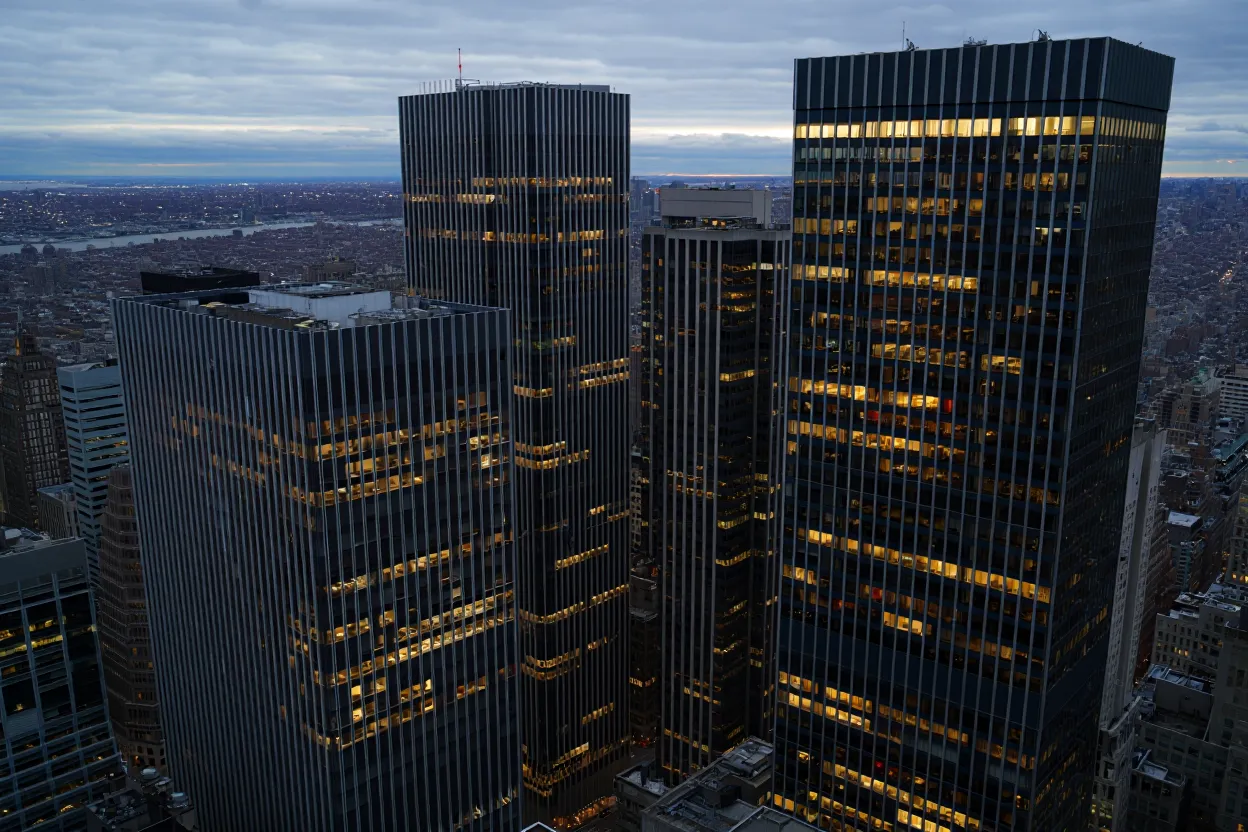
- National office REITs dropped 16.4% on average in value, diverging from other property sectors.
- AI-driven fears of job obsolescence are fueling skepticism about long-term office recovery.
- Leasing has rebounded for top-tier buildings, but generous concessions erode real cash flow.
- Effective rent growth lags, and tenant improvement costs have surged 69% since pre-pandemic levels.
Investor Momentum Falters
National office markets are seeing improved leasing and occupancy, especially in major metros, but Wall Street remains unconvinced. Office REIT share prices have slid throughout 2026, with concerns mounting that artificial intelligence will permanently reduce workforce sizes—and the need for national office space, reports Bisnow.
SL Green, Vornado, and BXP, three of the largest office landlords, all reported sharp stock declines this year despite strong leasing activity. This underperformance comes even as other property types, like retail and industrial, experience solid investor momentum. The divergence is particularly notable given that multifamily landlords are seeing leasing activity pick up in 2026 even as incentives remain elevated. This underscores how capital is favoring sectors with clearer demand visibility.
Concessions Erode Returns
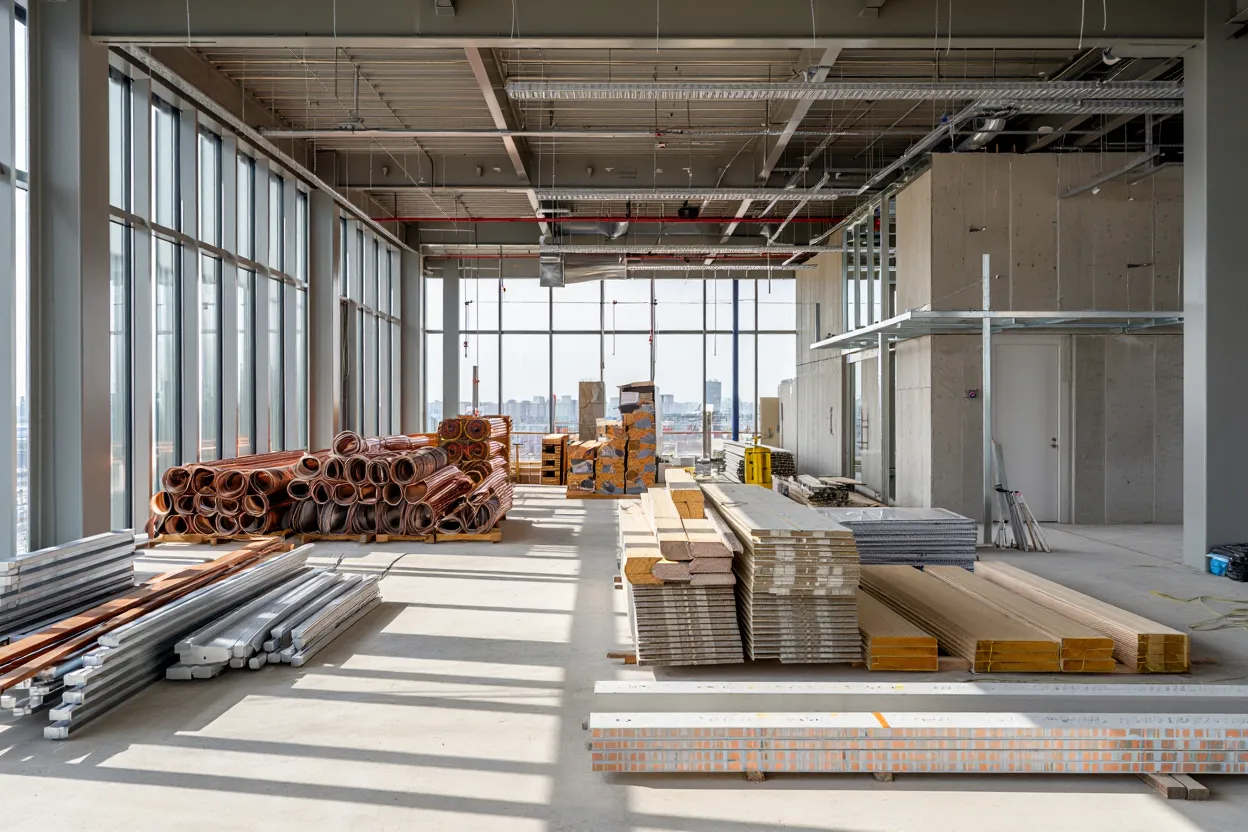
With national office leasing volumes rebounding, tenant concessions like free rent and record-high improvement allowances have become necessary to sign deals. This has created a widening gap between reported leased rates and actual rent-paying occupancy, weighing on landlords’ cash flow.
At SL Green, for example, only 86.7% of Manhattan office space is occupied by paying tenants despite a 93% leased rate. Vornado faces a $200M shortfall between its leased and economic occupancy. Nationwide, tenant improvement packages were 69% higher at the end of 2025 compared to pre-pandemic levels, further squeezing profits.
Get Smarter about what matters in CRE
Stay ahead of trends in commercial real estate with CRE Daily – the free newsletter delivering everything you need to start your day in just 5-minutes
Why It Matters
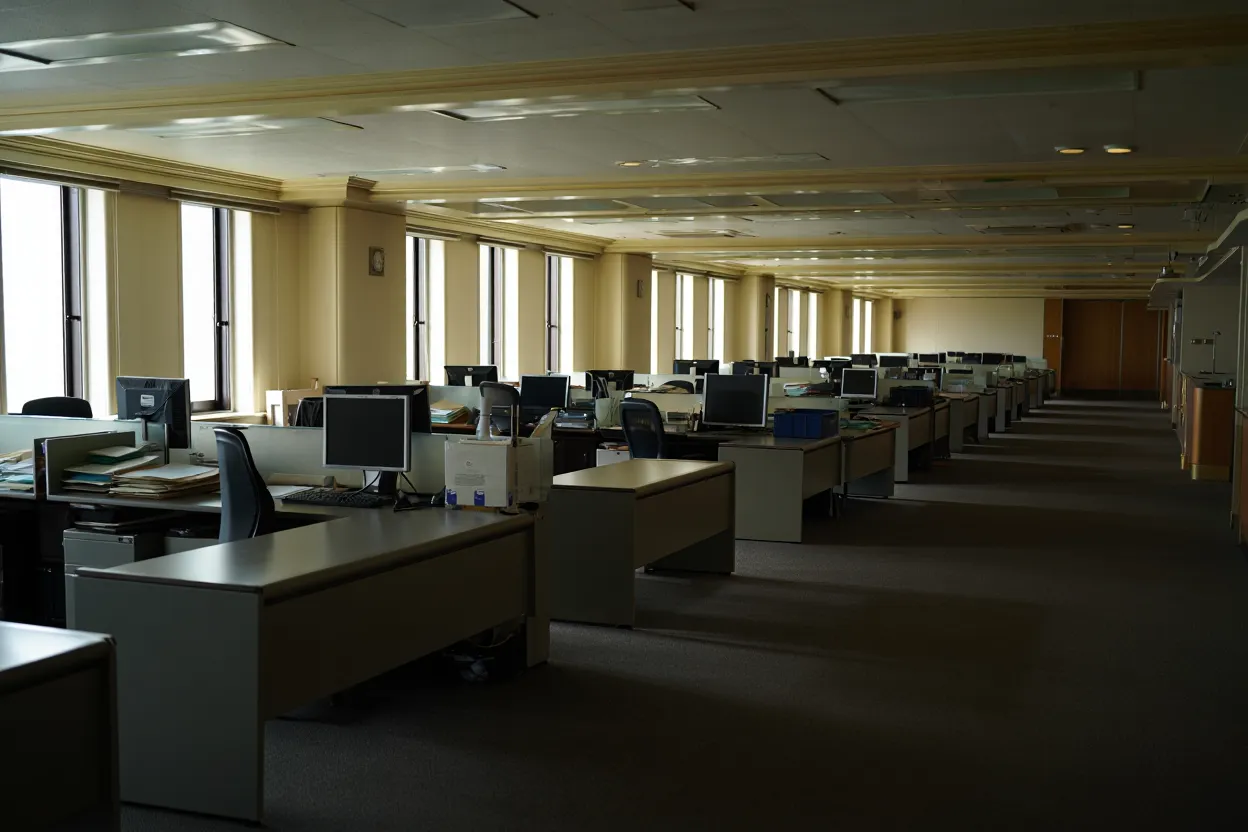
AI’s potential to make certain jobs obsolete is casting long-term doubt on the demand outlook for national office properties. Although companies absorbed 12.5M SF nationally in 2025—the first positive absorption since 2019—the disconnect between job growth and space utilization persists. While office-using employment rose 5.3% since 2019, occupied national office inventory is actually down 3%.
What’s Next
Leasing has improved in the near term. However, analysts warn that cash flow gains may stall. They fear AI could disrupt job creation and weaken office demand.
Effective rents, adjusted for inflation, sit 18% below 2020 levels. Meanwhile, tenants now expect large concession packages as standard practice. Landlords must meet those demands to secure deals. As a result, investors remain cautious on national office assets. They want clarity on AI’s long-term impact. They also seek proof that office demand can hold steady.