





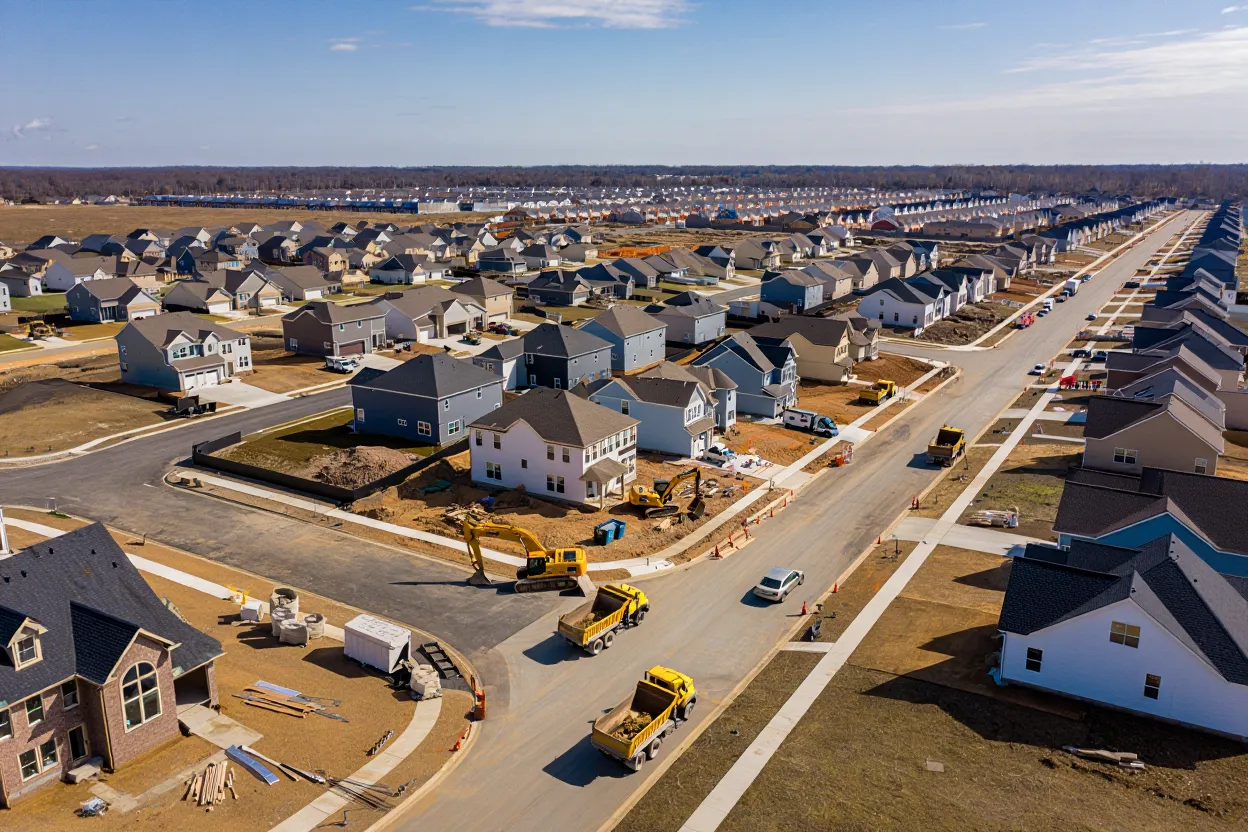
- Trump signed executive orders to ease regulations on housing development and mortgage lending.
- National multifamily projects could see lower costs from relaxed permitting and efficiency requirements.
- The moves target federal and local rules that have added $90K to single-family home prices.
- Mortgage policy changes mainly benefit small lenders but may have limited effect on rates.
Regulatory Rollback Targets Housing Costs
President Trump issued two executive orders targeting multifamily and single-family housing, according to Bisnow. The first order directs federal agencies to reduce regulatory hurdles for housing development. It focuses on streamlining energy, water, and permitting requirements across federal programs.
The administration aims to lower barriers that have slowed construction and raised project costs. Rising housing prices have intensified concerns about regulatory burdens on new development.
Officials estimate government regulations add about $90K to the price of a new single-family home. The orders also direct agencies, including the EPA and Army Corps of Engineers, to review stormwater and wetlands permitting rules. The administration hopes these changes will reduce development costs for builders and future homeowners.
Impact on Mortgage Underwriting
The second executive order is set to relax oversight for banks with assets under $30B, including some Dodd-Frank-related rules. This is intended to make mortgage lending more accessible, particularly through community and regional banks. However, experts note that while access to credit may improve, high mortgage rates—driven by broader economic factors—still limit affordability for most buyers.
Legislative Context and Industry Concerns
The executive actions arrive as Congress debates a sweeping housing reform bill, the 21st Century Road to Housing Act. The proposal includes provisions that would force build-to-rent operators to sell properties within seven years. The debate follows growing scrutiny of investor ownership in single-family housing, as policymakers weigh new limits on large-scale landlords.
Notably, the new orders focus on cost and permitting but do not address issues like housing density or restrictive zoning, both of which housing advocates say are key to addressing long-term supply shortages. The real estate industry continues to watch for further regulatory details and their potential effects on national multifamily investment strategies.
Get Smarter about what matters in CRE
Stay ahead of trends in commercial real estate with CRE Daily – the free newsletter delivering everything you need to start your day in just 5-minutes