




- Multifamily recovery is set for 2026, with stronger growth projected in 2027 and 2028.
- Class C assets face increasing risk, especially in immigrant-heavy and Sun Belt markets.
- New supply is falling sharply, positioning key metros for future rent stabilization.
- Higher unemployment among young adults is dampening immediate renter demand.
Market Recovery on the Horizon
The multifamily sector is entering a pivotal period, with 2026 poised as a transition year for broader recovery. LeaseLock chief economist Greg Willett, following the National Multifamily Housing Council’s January conference, notes greater investor optimism and increased capital availability. The Multifamily Executive reports that while investors anticipate more deal activity, operators expect continued operational hurdles through the year.
Class C Pressures
Concerns are mounting over Class C multifamily, especially in markets with significant 1980s-era supply such as Phoenix, Florida, and Texas. Performance in these properties is deteriorating, and operators are advised to carefully manage costs as revenues face pressure. Markets with large immigrant renter populations may see heightened instability in the lower-tier segment.
Get Smarter about what matters in CRE
Stay ahead of trends in commercial real estate with CRE Daily – the free newsletter delivering everything you need to start your day in just 5-minutes
Supply, Demand, and Young Renters
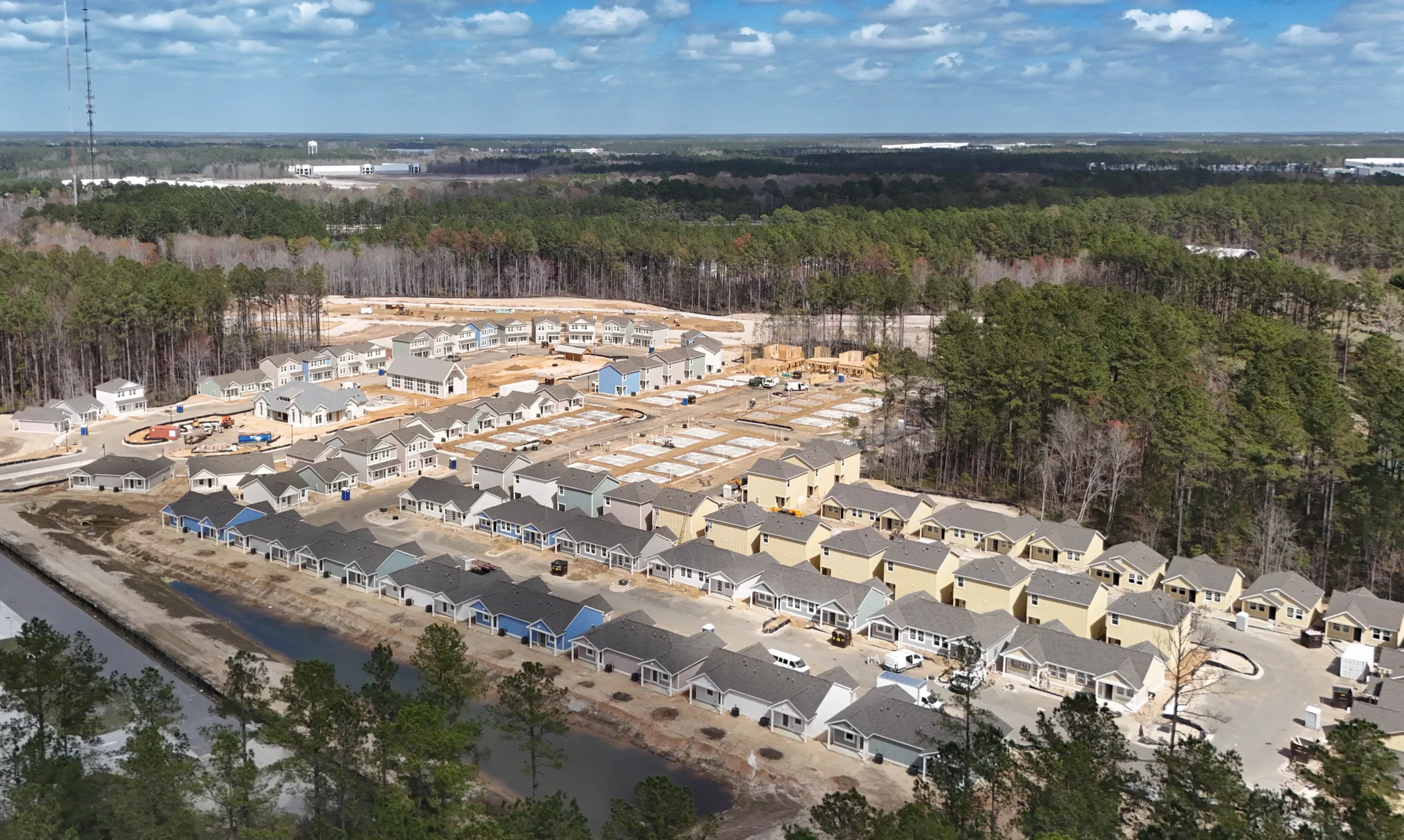
Sun Belt metros previously saturated with new multifamily supply are seeing a significant slowdown in completions, with some cities expecting a 40% decrease this year. This could stabilize rents and spark recovery. However, elevated unemployment among young adults—now at 10.4%—is prompting more to stay with family, reducing immediate household formation and dampening demand. Immigrant renters will also play a critical role in multifamily demand for 2026. At the same time, national occupancy levels have begun trending back toward historic averages, offering operators some reassurance that baseline renter activity is stabilizing despite economic pressures.
Lease Pricing Trends
Operators are reassessing their approach to renewal versus move-in lease pricing. With retention becoming more costly for tenants, the sector must either ease renewal price increases or accept higher turnover rates. The aggressive renewal strategies of recent years may not be sustainable as multifamily recovery takes shape.