





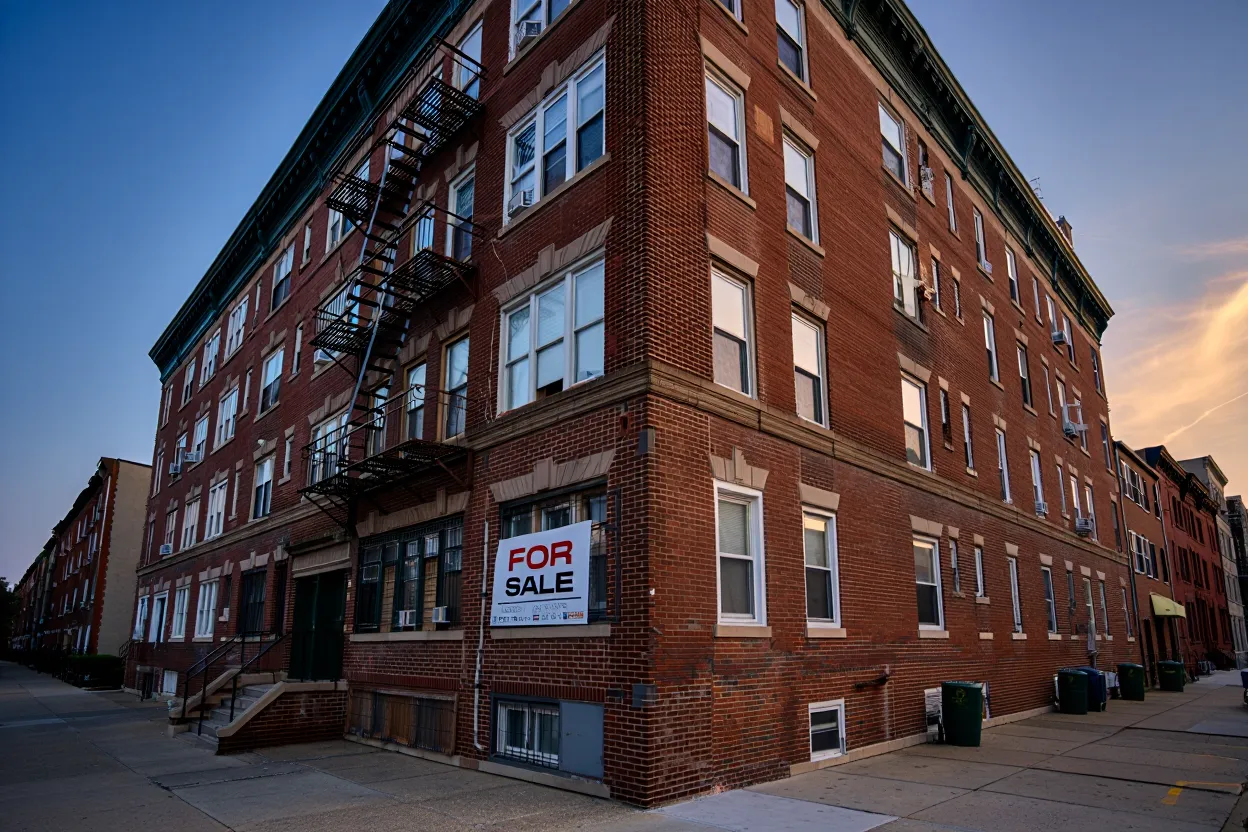
- Small landlords are rapidly selling New York City rent-stabilized buildings as profit margins vanish.
- New regulations and proposed tax hikes are accelerating the exit of mom-and-pop owners.
- Multifamily firms are buying distressed assets at discounted prices and increasing their market share.
- Individuals now own less than 10% of the city’s multifamily housing stock.
Small Owners Exit Multifamily
New York City’s rent-stabilized sector—long dominated by family-run businesses—is seeing rapid change as small landlords struggle, reports The WSJ. A mix of tightened rent laws, rising debt costs, and Mayor Zohran Mamdani’s plans for rent freezes and higher property taxes are pushing these owners to sell. The uncertainty alone is driving hard decisions, as many find their holdings unprofitable for years running.
Financial Pressure Mounts
For decades, owning a small multifamily property in New York meant a reliable income and stable asset. But rules passed since 2019 severely limited rent increases for stabilized units just as costs surged and interest rates jumped. Lending to rent-stabilized buildings has dropped 59% from 2019 to 2025. At the same time, operating expenses—particularly insurance premiums for rent-stabilized buildings—have climbed sharply across the city, adding another layer of financial strain for smaller owners. With property values down significantly and profits erased, many small owners can’t justify holding on.
Get Smarter about what matters in CRE
Stay ahead of trends in commercial real estate with CRE Daily – the free newsletter delivering everything you need to start your day in just 5-minutes
Multifamily Firms Expand
Large national multifamily firms and REITs have filled the gap. With greater financial resources, these groups are buying distressed rent-stabilized buildings at reduced costs, often from families who have owned for decades. Multifamily firms now own 90.2% of city multifamily units, with individuals owning just 9.8%, according to recent data.
Why It Matters
Industry observers and tenant advocates note that small landlords often provide more personal relationships and flexibility for tenants than large corporate owners. But with multifamily firms driving consolidation, the city’s rental market is driven increasingly by institutional players. Many landlords and lenders caution that current policies, including proposed rent freezes and tax hikes, risk permanently altering the character of New York housing.