



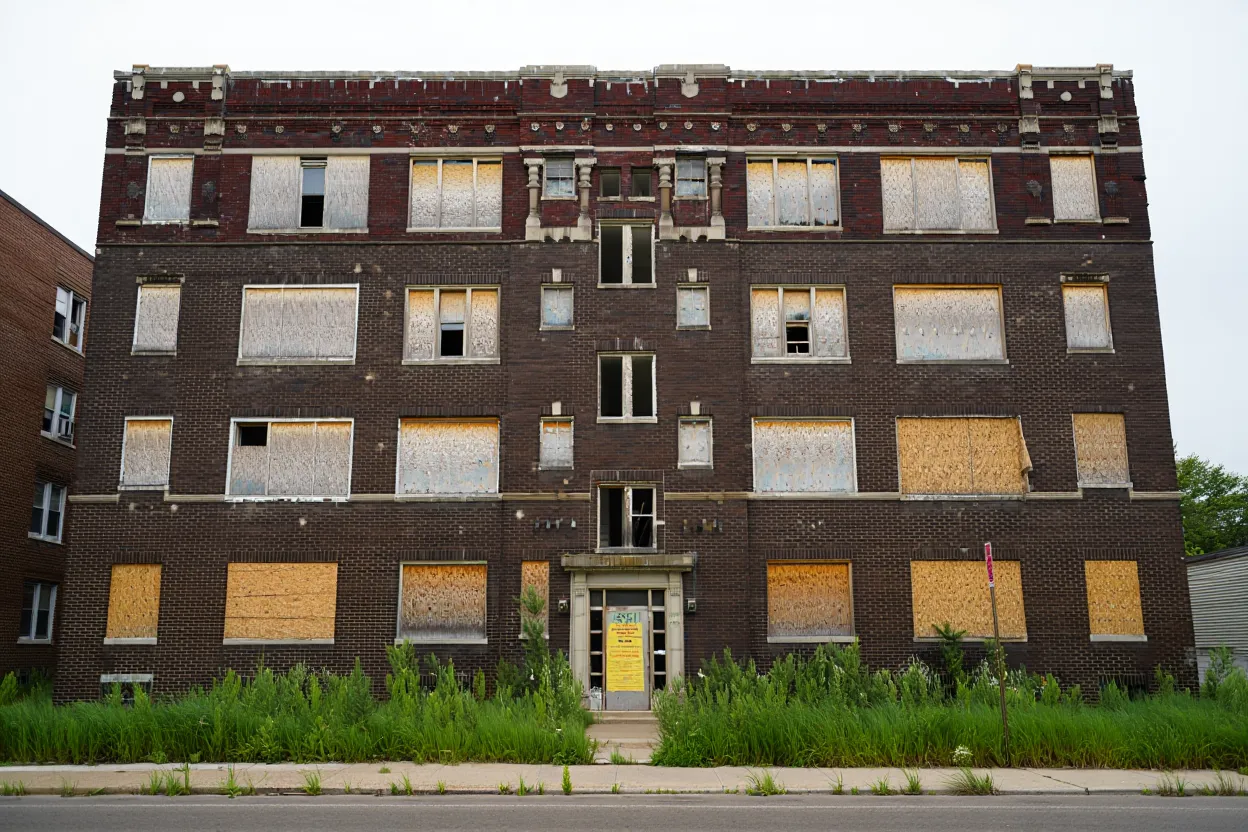
- South Shore led Chicago in multifamily sales for over a decade, but activity plummeted in 2024 amid mounting distress.
- Out-of-state investors drove up prices, fueling unsustainable valuations and a spike in foreclosures.
- Nearly 20% of delinquent Chicago-area CMBS multifamily loans now originate from South Shore.
- Local operators are returning to stabilize assets as distressed properties cycle through legal and financial turmoil.
Out-of-State Influence Fuels Multifamily Distress
According to The Real Deal, Chicago’s South Shore neighborhood was the city’s most active multifamily sales market for more than a decade, with consistently high transaction volumes. However, 2024 marked a sharp decline, with only 34 sales of buildings with at least five units—the lowest level since 2010. Rising interest rates impacted the market citywide, but South Shore’s downturn was especially acute, driven by a surge in financial distress and foreclosure activity linked to out-of-state investor strategies.
Speculative Practices Inflate Values
Investment accelerated in 2017 as groups from New York and elsewhere paid above-market prices for South Shore properties. By 2024, multifamily values in the area reached $73,000 per unit, rising far faster than rents or tenant incomes. Many local buyers were unable to match these offers, which artificially inflated property comps and normalized higher pricing. According to DePaul University, South Shore saw 20 foreclosure filings in 2024 for buildings with five or more units—double the next-highest neighborhood.
Get Smarter about what matters in CRE
Stay ahead of trends in commercial real estate with CRE Daily – the free newsletter delivering everything you need to start your day in just 5-minutes
Operational Shortfalls Lead to Financial Crisis
Speculative landlords skipped essential repairs, allowing properties to deteriorate. Vacancy rose. Revenue dropped. Defaults followed. South Shore now accounts for a large share of CMBS-loan delinquencies in the Chicago area. The neighborhood plays a major role in the city’s broader multifamily distress.
Several investor portfolios, including Yissocher Rotenberg’s, ended in foreclosure. Larger investment groups face lawsuits over unpaid loans and alleged fraud. These cases show how mismanagement led to financial breakdowns across the submarket.
Market Adjustment and Local Stabilization
Some local operators struggled, but most severe defaults came from out-of-state buyers. These investors entered the market late and failed to manage local challenges.
Distressed properties are moving through court proceedings. New owners are stepping in to stabilize assets and invest in repairs. Observers say experienced, local firms are improving conditions across South Shore. Other regions have shown similar signs of stabilization following speculative overreach, offering a cautious sense of optimism.
Still, the fallout from inflated valuations continues to strain the area’s multifamily market.