






- NAHB’s Multifamily Production Index held at 44 in Q1 2026, signaling that more developers still view current construction conditions as weak than strong.
- Garden-style apartments continued to outperform mid- and high-rise projects, while subsidized housing was the only segment with sentiment above the break-even threshold.
- Developers cited interest rates, insurance costs, material price volatility, and permitting delays as growing threats to multifamily project feasibility.
The multifamily housing market entered 2026 on stable but uneven footing, according to the National Association of Home Builders’ latest Multifamily Market Survey. NAHB’s Multifamily Production Index (MPI) came in at 44 in the first quarter, unchanged from the same period in 2025, reflecting continued caution among apartment developers and builders.
At the same time, occupancy sentiment weakened. The Multifamily Occupancy Index (MOI) fell 13 points year-over-year to 69, though existing apartment owners still reported generally healthy leasing conditions across most property types.
Get Smarter about what matters in CRE
Stay ahead of trends in commercial real estate with CRE Daily – the free newsletter delivering everything you need to start your day in just 5-minutes
A Market Still Below Break-Even
The MPI tracks developer sentiment on current production conditions across apartment and condominium projects using a 0-to-100 scale. Readings below 50 indicate that more respondents view conditions as poor rather than good.
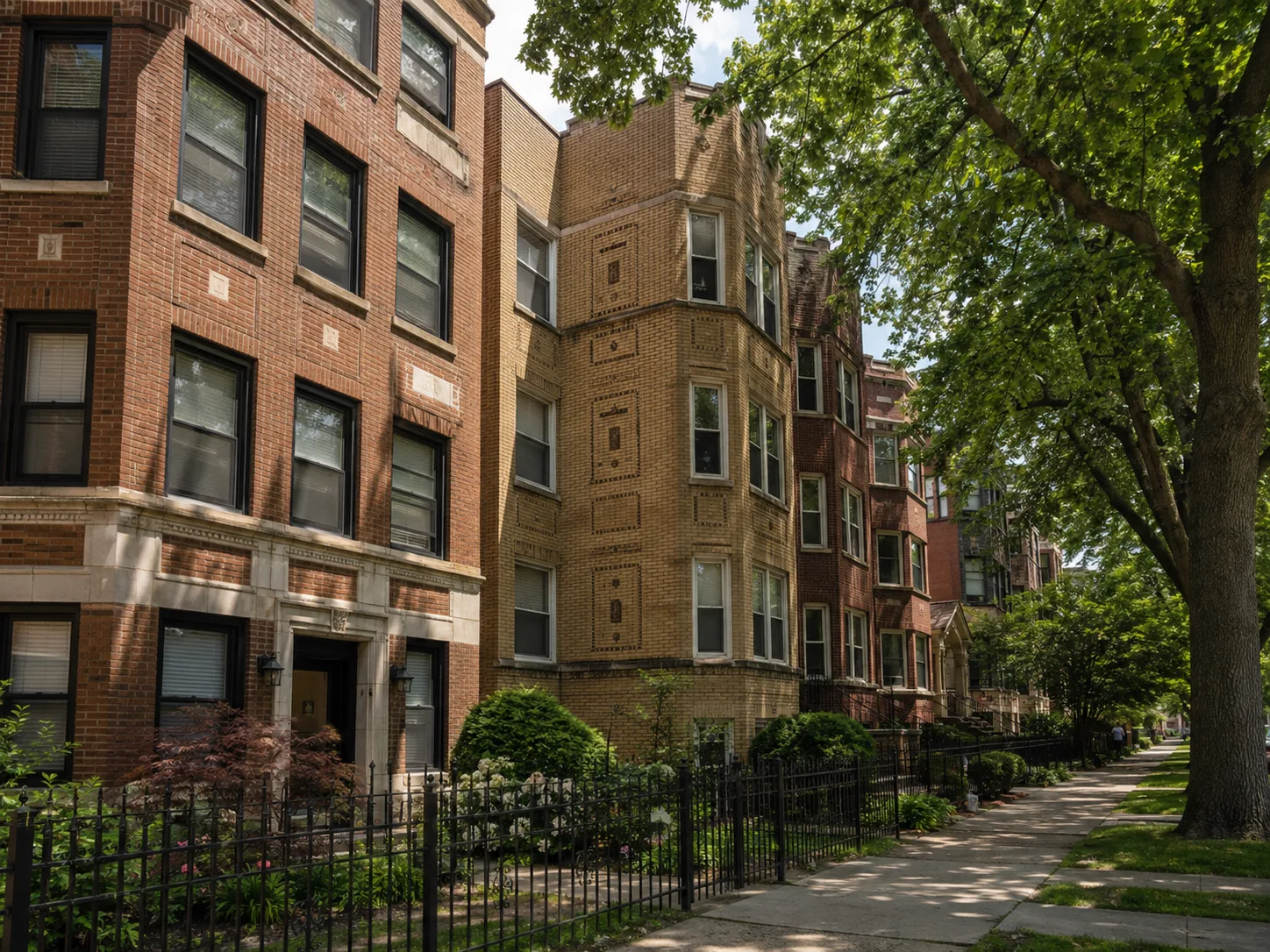
Among the survey’s four categories, subsidized housing posted the strongest reading at 56, making it the only segment above the break-even mark. Garden and low-rise apartments — typically suburban multifamily product — fell six points to 48, while built-for-sale condominium projects slipped to 37. Mid- and high-rise multifamily projects improved seven points year-over-year but still lagged at 35.
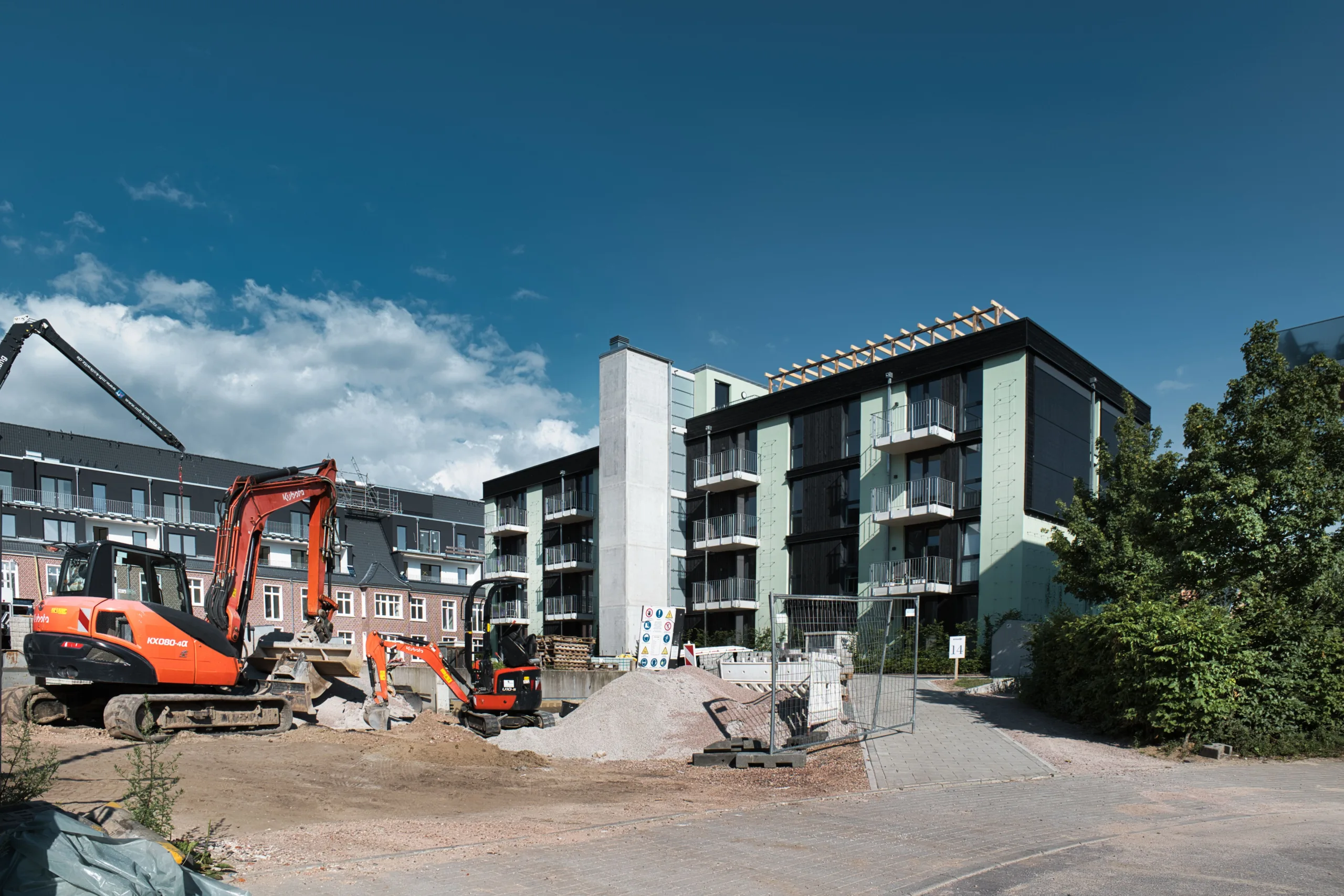
NAHB Multifamily Council Chairman Kip Lewis said developers continue to face mounting pressure from higher borrowing costs, insurance premiums, regulatory hurdles, and volatile material pricing. Lewis also noted that some markets have become more restrictive toward permitting unsubsidized multifamily projects.
The Details
The occupancy side of the survey remained stronger than construction sentiment, despite notable year-over-year declines. The MOI’s overall reading of 69 still indicates that most owners see apartment occupancy conditions as favorable.
Garden and low-rise apartment occupancies led the sector with a reading of 71, down 11 points from a year earlier. Mid- and high-rise occupancies dropped 17 points to 59, while subsidized housing declined nine points to 80 but remained the strongest-performing segment overall.
NAHB Chief Economist Robert Dietz said the data reinforces a broader shift in renter demand toward lower-density apartment product in suburban and outlying areas. According to Dietz, the gap between low-rise and high-rise development sentiment narrowed modestly in Q1, but the occupancy gap widened as leasing activity softened more sharply for urban towers.
The survey also included a shorter-term outlook question comparing current market conditions with three months earlier. About 21% of developers said conditions improved, while 19% reported worsening conditions. Most respondents — 60% — said market conditions were essentially unchanged.
Suburban Apartments Continue to Outperform
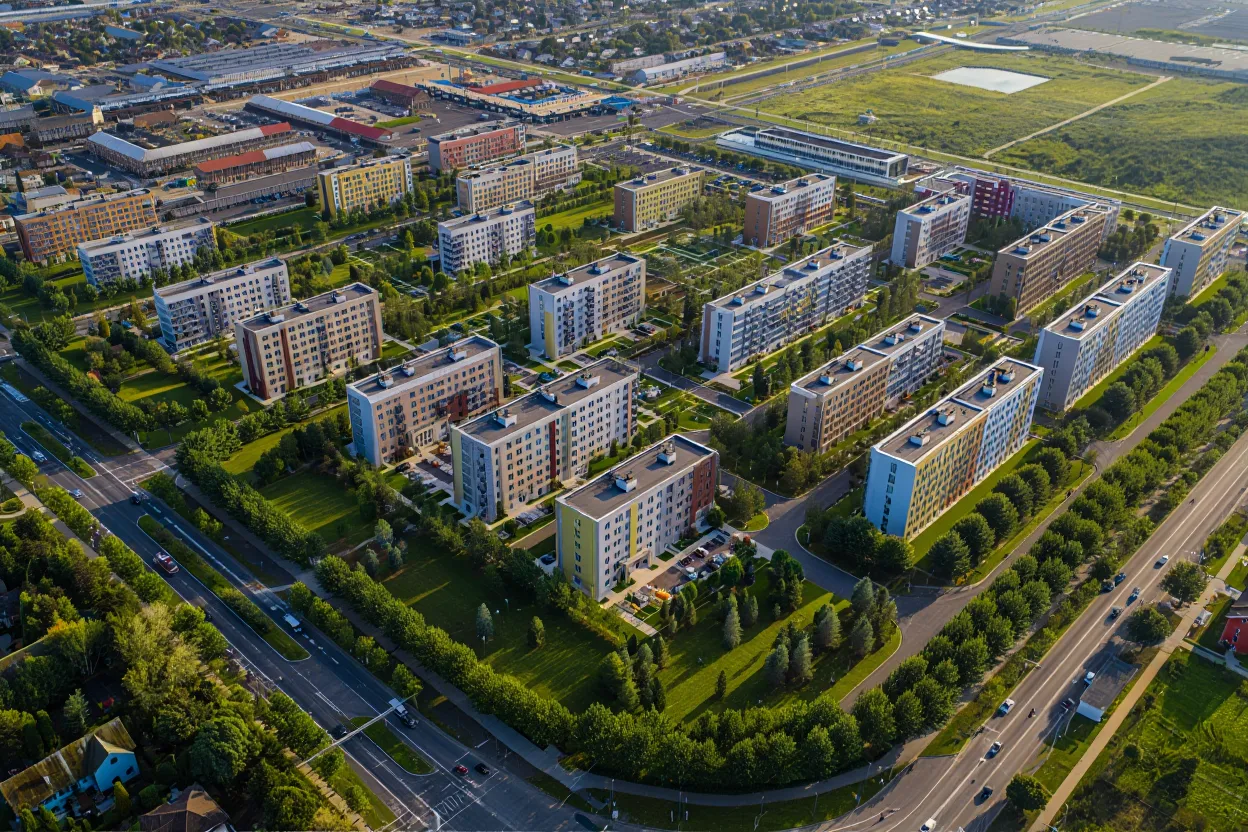
The latest NAHB data reinforces a broader shift toward suburban multifamily housing. Garden-style properties continue outperforming urban high-rise assets across many US markets.
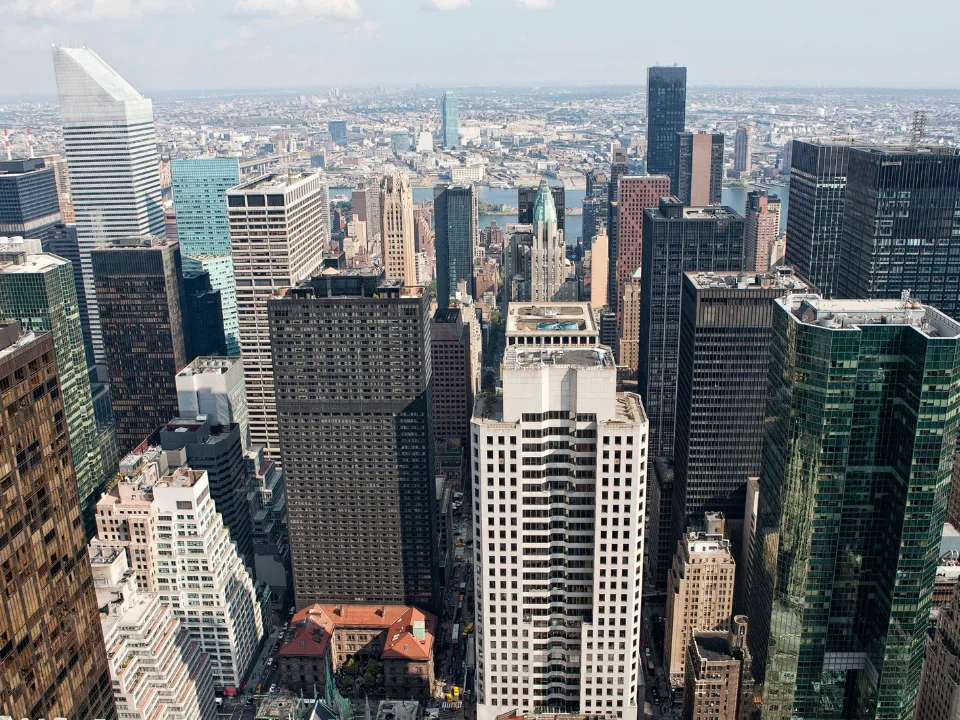
Higher financing costs and slower rent growth have pressured large tower developments. Many gateway cities still face heavy supply pipelines from recent construction cycles. As a result, developers struggle to make new high-rise projects financially viable.
Meanwhile, subsidized and workforce housing projects remain more resilient. Persistent affordability challenges continue supporting demand for lower-cost rental options. Public incentives and financing programs have also strengthened those projects.
Developers now favor lower-density multifamily formats that require less capital. Those projects also move through entitlement and permitting processes more quickly.
According to CBRE’s 2026 multifamily outlook, apartment fundamentals remain stable nationwide. However, construction activity has slowed sharply from post-pandemic highs. Lenders continue tightening underwriting standards while operating costs keep rising. Industry forecasts also expect multifamily fundamentals to improve gradually through 2026 as supply pressures ease across several major US markets.
Why It Matters
The survey highlights a multifamily market that is no longer contracting rapidly but still struggling to regain growth momentum. While occupancy remains relatively healthy, developer confidence staying below 50 suggests many firms remain hesitant to launch new projects.
That hesitation could eventually tighten apartment supply. NAHB projects multifamily starts will rise slightly in 2026, but the trade group warned current production levels are unlikely to hold through 2027 if financing and regulatory pressures persist.
The divergence between subsidized housing and market-rate projects also points to a broader affordability challenge. Publicly supported developments continue to attract stronger sentiment while conventional apartment projects face thinner margins and slower approvals.
What’s Next
Developers and investors will be watching interest rates, construction lending availability, and local permitting policies closely through the rest of 2026. Any easing in financing costs could improve feasibility for stalled multifamily projects, particularly in the mid- and high-rise segment.
At the same time, apartment supply pipelines are expected to moderate after several years of elevated deliveries. If new construction slows materially while renter demand stays resilient, occupancy and rent growth could stabilize further heading into 2027.