



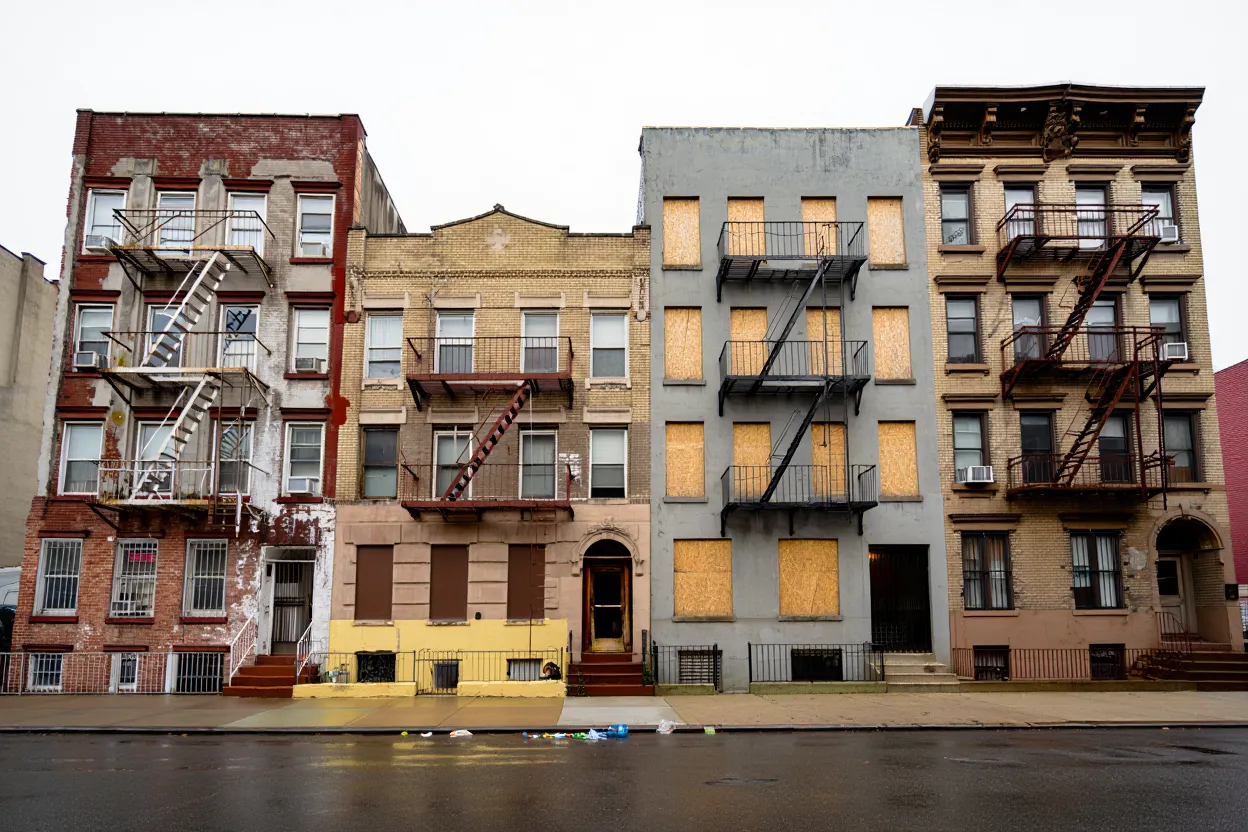
- Multifamily delinquencies rose 30 bps in March to 7.15%, the highest since October 2025.
- New York, New Jersey, and Houston accounted for nearly 80% of new distress.
- The majority of new delinquencies were mid-term defaults, not driven by loan maturities.
- Recent GSE multifamily loans could face more pressure if property performance weakens.
Sharp Uptick in Multifamily Delinquencies
According to Multifamily Dive, multifamily delinquencies continued to rise in March, with Trepp reporting the CMBS delinquency rate climbed 30 basis points to 7.15%. This marks a slight increase above the previous peak in October 2025. Over the past year, the rate has increased dramatically from 5.44%.
Distress Highly Concentrated
New York, New Jersey, and Houston accounted for nearly 80% of new multifamily distress. Nearly half of the nation’s delinquent loan balances are located in New York and New Jersey, while Houston makes up about 30%, according to Trepp’s Stephen Buschbom. This spike aligns with a broader surge in CRE loan delinquencies, as rising borrowing costs and weaker property income strain loan performance across banks and securitized markets. This geographic concentration highlights vulnerabilities in these regional markets.
Get Smarter about what matters in CRE
Stay ahead of trends in commercial real estate with CRE Daily – the free newsletter delivering everything you need to start your day in just 5-minutes
Term Defaults Signal Property Issues
The bulk of March’s multifamily delinquencies were term defaults—borrowers defaulting mid-loan rather than at maturity. Trepp’s analysis suggests that property-level fundamentals are increasingly driving distress. Factors include occupancy pressure, higher operating costs, local demand softening, and expiration of property tax breaks.
Special Servicing and GSE Loans
The multifamily CMBS special servicing rate also rose, up 45 basis points month over month to 8.75%. Most government-sponsored enterprise (GSE) multifamily loans remain healthier, but recent vintages (2022-2023) show higher exposure to weak debt-service coverage ratios (DSCRs). These loans could be at risk sooner if revenue growth slows or costs climb.
Sector Trends Beyond Multifamily
The overall Trepp CMBS delinquency rate for all commercial real estate increased by 41 bps to 7.55% in March. Lodging had the largest jump, while office delinquency and special servicing rates also continued to rise, indicating broadening stress across commercial property types.