




- Midwest affordability is drawing residents with home prices well below the US median.
- Wage growth in the Midwest has outpaced other US regions, strengthening purchasing power.
- New housing developments are rising in response to increased demand and competition.
- Challenges remain as competition drives prices up and strains long-term affordability.
Why Midwest Affordability Leads
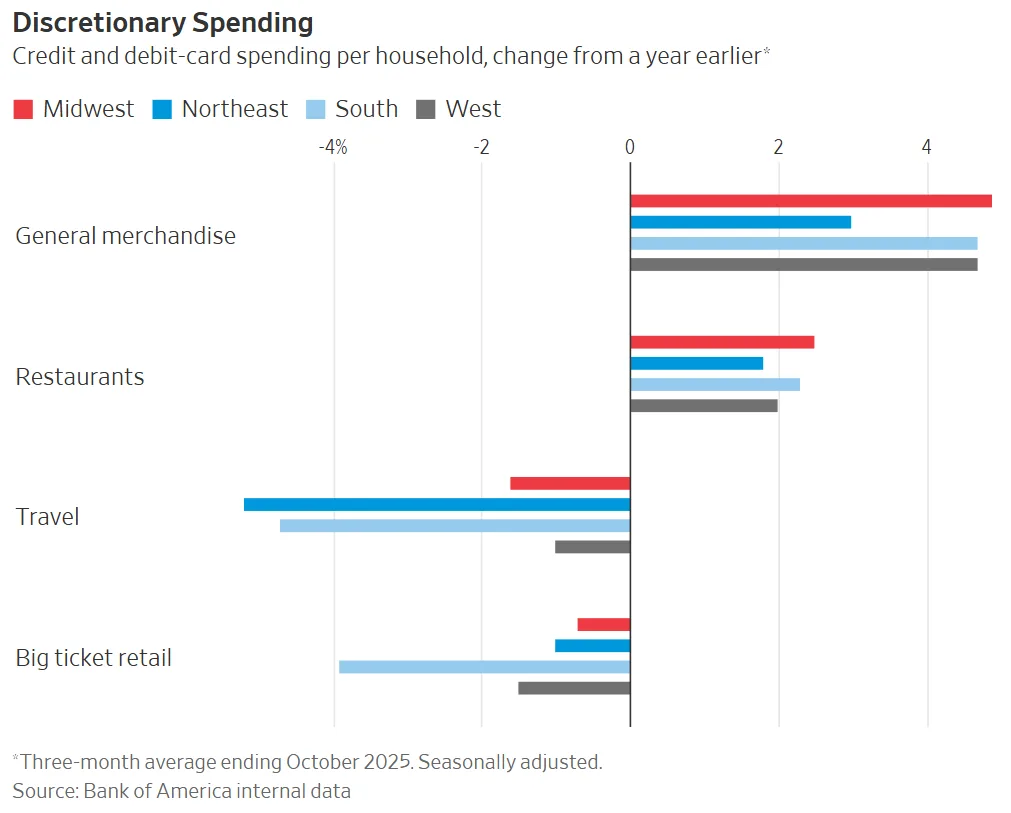
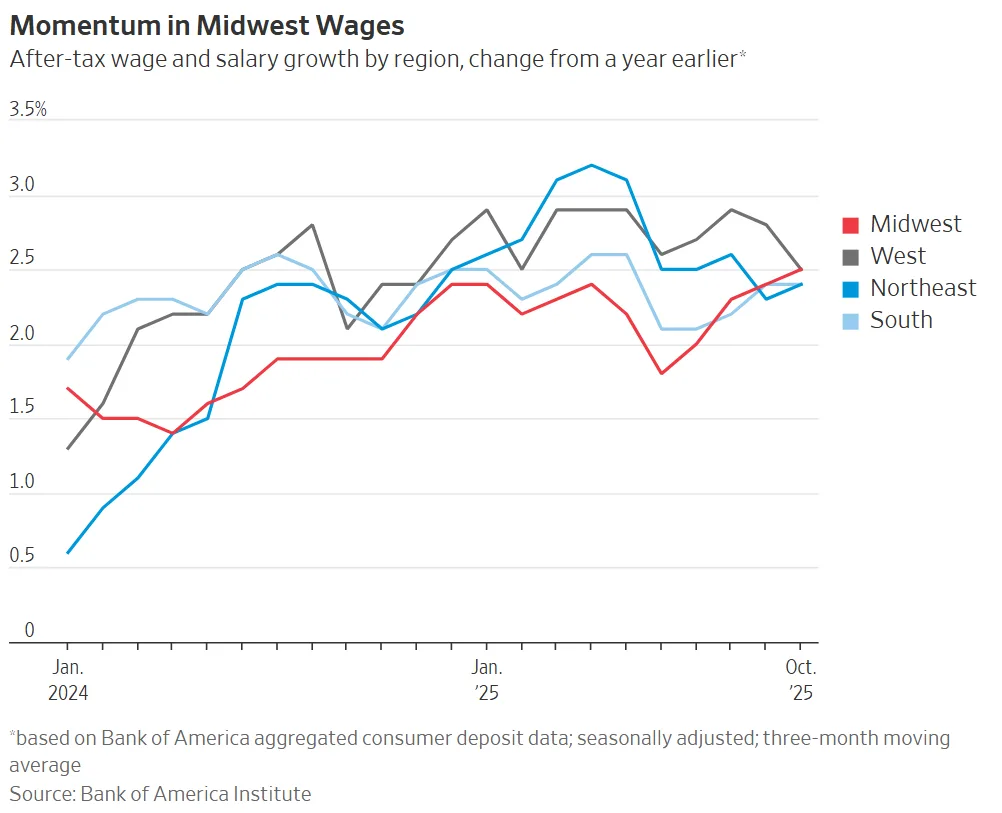
According to The WSJ, the Midwest stands out for offering the lowest median existing home sales price in the US, currently at $319,400 compared to the national median of $409,200. Rents in major Midwest cities also fall below national averages, providing relief for both buyers and renters. The region’s consistent, above-average wage growth further reinforces this affordability, with local incomes supporting greater discretionary spending.
Growing Demand and Local Response
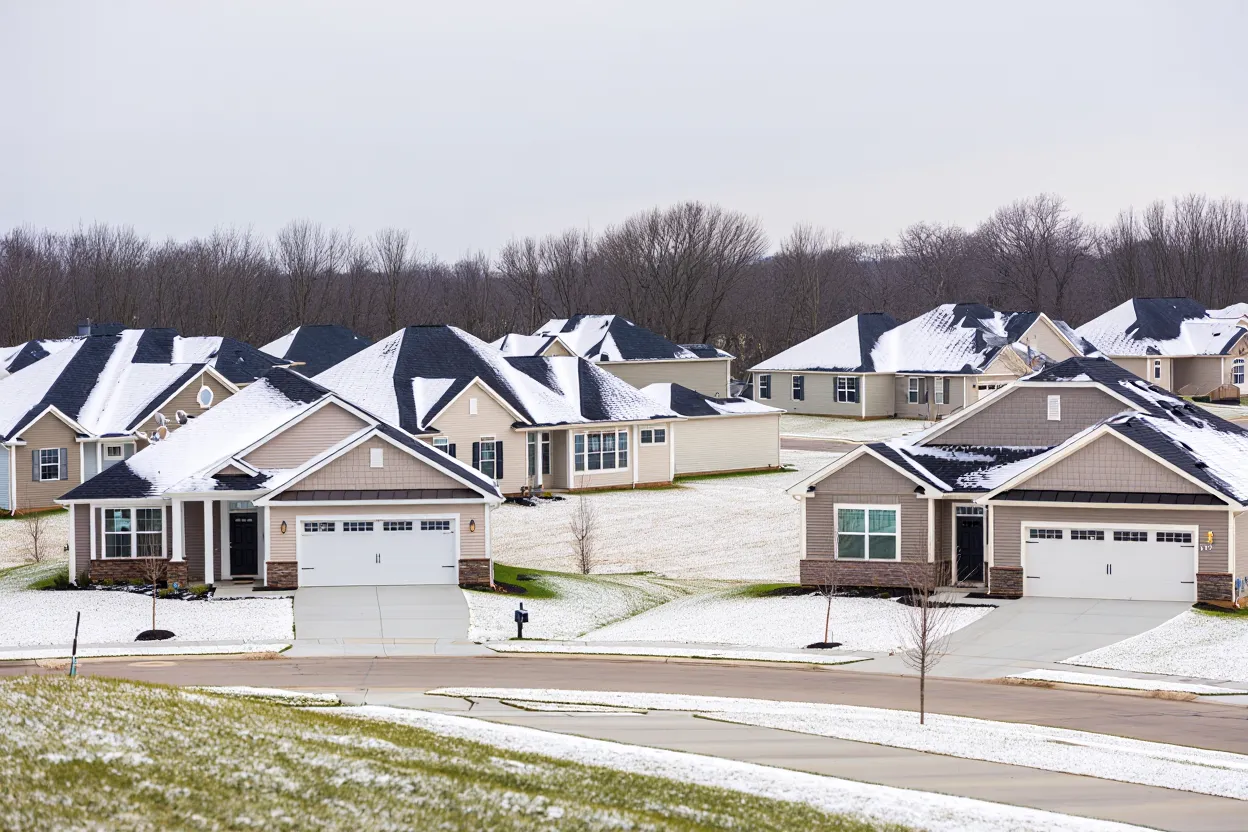
As residents from higher-cost areas move in, competition for Midwest affordability is intensifying. Transplants and returnees—often with higher remote incomes—are driving up demand. This trend has led to an uptick in new subdivisions and apartment construction in areas like Appleton, Oshkosh, and Neenah. Local officials are accelerating home development to balance demand and maintain affordability for existing residents.
Affordability with Rising Competition
In regional hotspots, fewer residents spend above 30% of income on housing compared to the nation as a whole. However, increased demand is making some buyers stretch budgets and intensifying bidding wars. At the same time, rent growth in the Midwest has remained more resilient than in other regions, reflecting ongoing demand from both buyers and renters. While recent price gains risk eroding Midwest affordability, the region still enables many middle- and working-class households to buy homes, a rarity in pricier markets. Stakeholders face ongoing pressure to address affordability as competition drives prices higher.
What’s Ahead for Midwest Housing
If current trends persist, Midwest affordability will remain an advantage, but long-term prospects hinge on balancing new development with accessible pricing. Local leaders and developers are working to secure affordable options as the region’s appeal grows and more buyers seek relief from high-cost coastal metros.
Get Smarter about what matters in CRE
Stay ahead of trends in commercial real estate with CRE Daily – the free newsletter delivering everything you need to start your day in just 5-minutes