




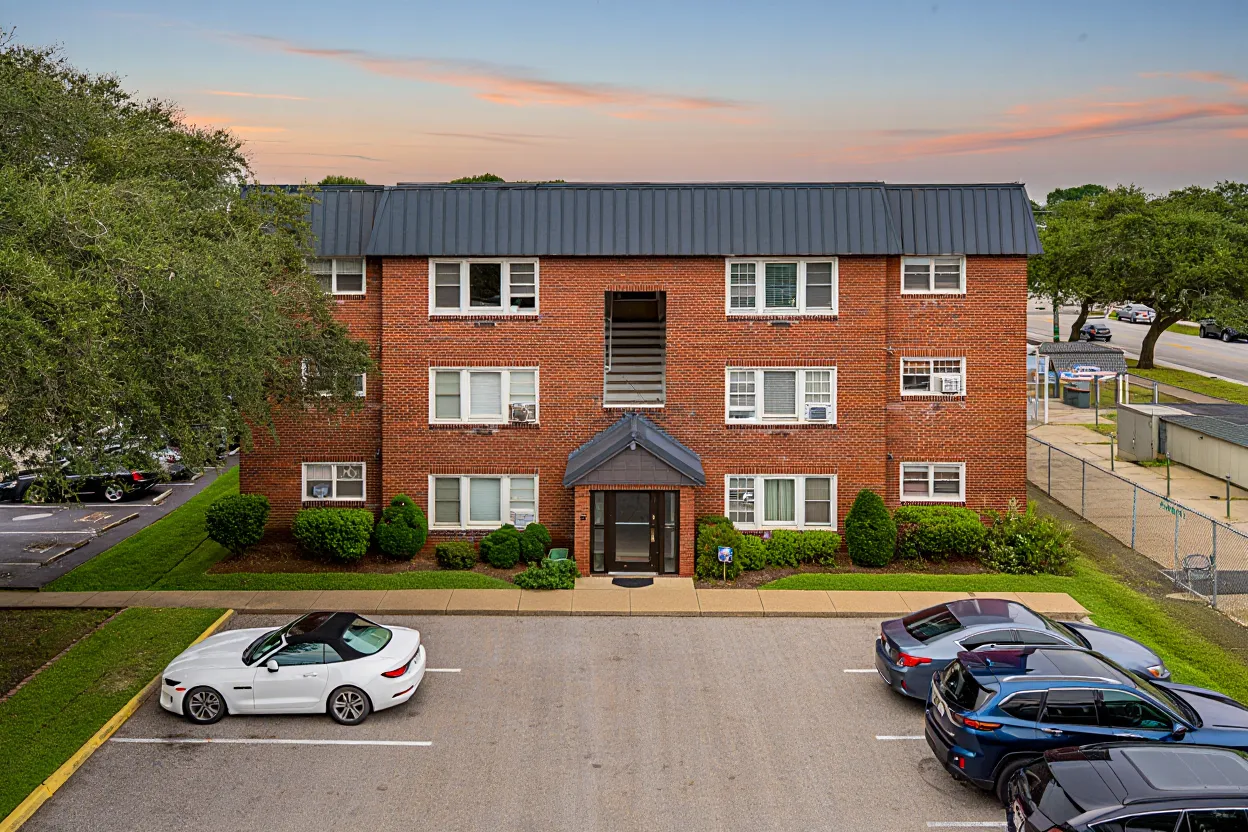
- Mid-tier multifamily assets are outpacing luxury due to restrained new supply and steady renter demand.
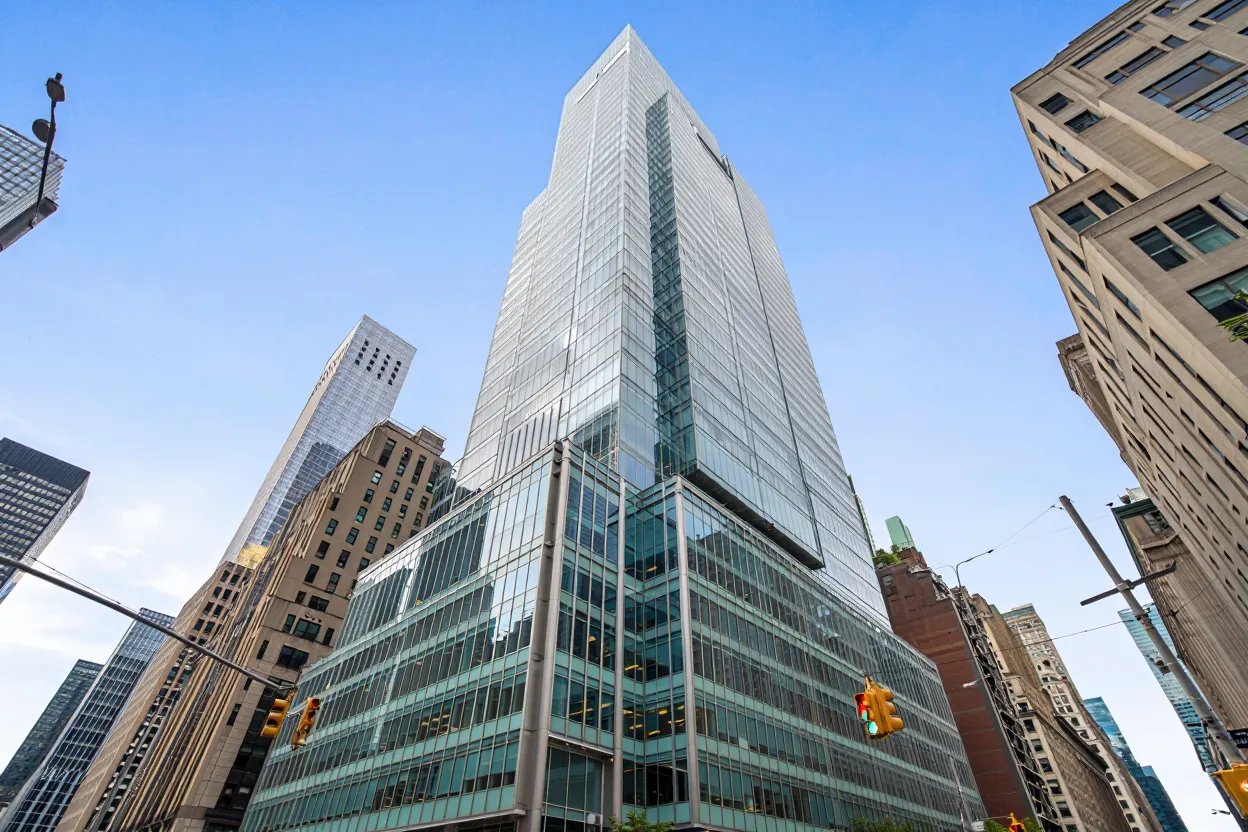
- Luxury multifamily faces continued rent stagnation amid record-high new deliveries and oversupply.
- Market performance is becoming increasingly region- and asset-specific, with the Midwest and Northeast showing stability.
- Labor market trends and local job growth will drive further rent divergence across metro areas.
Mid-Tier Multifamily Steps Ahead
Mid-tier multifamily is emerging as a surprise outperformer in 2026, even as luxury product grapples with excessive new supply, says Globe St. Investors shifting attention away from generic stabilization strategies now see durable pricing strength in middle-market properties, especially in regions where supply-demand fundamentals remain balanced.
Recent data shows three-star multifamily assets posted 0.5% rent growth in Q4, exceeding the national average and standing out against negative 0.2% growth for luxury product. CoStar’s National Multifamily Director, Grant Montgomery, points to restrained new supply as the main reason mid-tier multifamily is gaining market power.
Luxury’s Oversupply Challenge
Luxury multifamily continues to struggle, with nearly 70% of under-construction units falling into this category. This has led to a historic supply glut and consistent downward pressure on rents. Developers’ focus on high-end product has delayed recovery at the top end of the market. Many metros are still working through large volumes of new inventory.
Montgomery expects this imbalance to continue through mid-2026. He notes that a rebound in luxury rent growth will rely on slower deliveries and stronger demand within the segment.
Get Smarter about what matters in CRE
Stay ahead of trends in commercial real estate with CRE Daily – the free newsletter delivering everything you need to start your day in just 5-minutes
Market Divergence and Regional Standouts
Macro trends—especially a stable but cooling labor market—are creating increasingly market-specific outcomes. Metros with strong job growth, like San Francisco, are bucking the trend with solid multifamily rent gains. In contrast, areas such as Washington, D.C., are under pressure from ongoing federal job cuts.
Miami stands out as the only Sun Belt city with positive rent growth in 2025. Despite wider regional challenges, it may serve as a test case for how local supply and demand will play out in 2026.
Balanced Growth in Midwest and Northeast
The Midwest and Northeast are quietly benefiting from more disciplined construction pipelines and steady demand. These regions saw solid performance in 2025 and are expected to deliver stable returns in 2026, avoiding both oversupply-induced dips and extreme market swings now affecting luxury-focused markets elsewhere.
This consistency builds on earlier rent growth trends seen in 2025, reinforcing investor confidence in these geographies. For investors, mid-tier multifamily represents a durable play as market dynamics grow more nuanced and regionalized throughout 2026.