



- CBL Properties is acquiring four mid-tier malls from Washington Prime Group for $178.9M, marking a rare portfolio deal in the enclosed mall sector.
- The purchase reflects a broader recovery trend beyond luxury malls, driven by limited retail construction since 2008 and renewed retailer demand.
- CBL has doubled down on repositioning its mall portfolio post-bankruptcy, focusing on local-market customization and anchor store replacements.
Doubling Down On The Middle Market
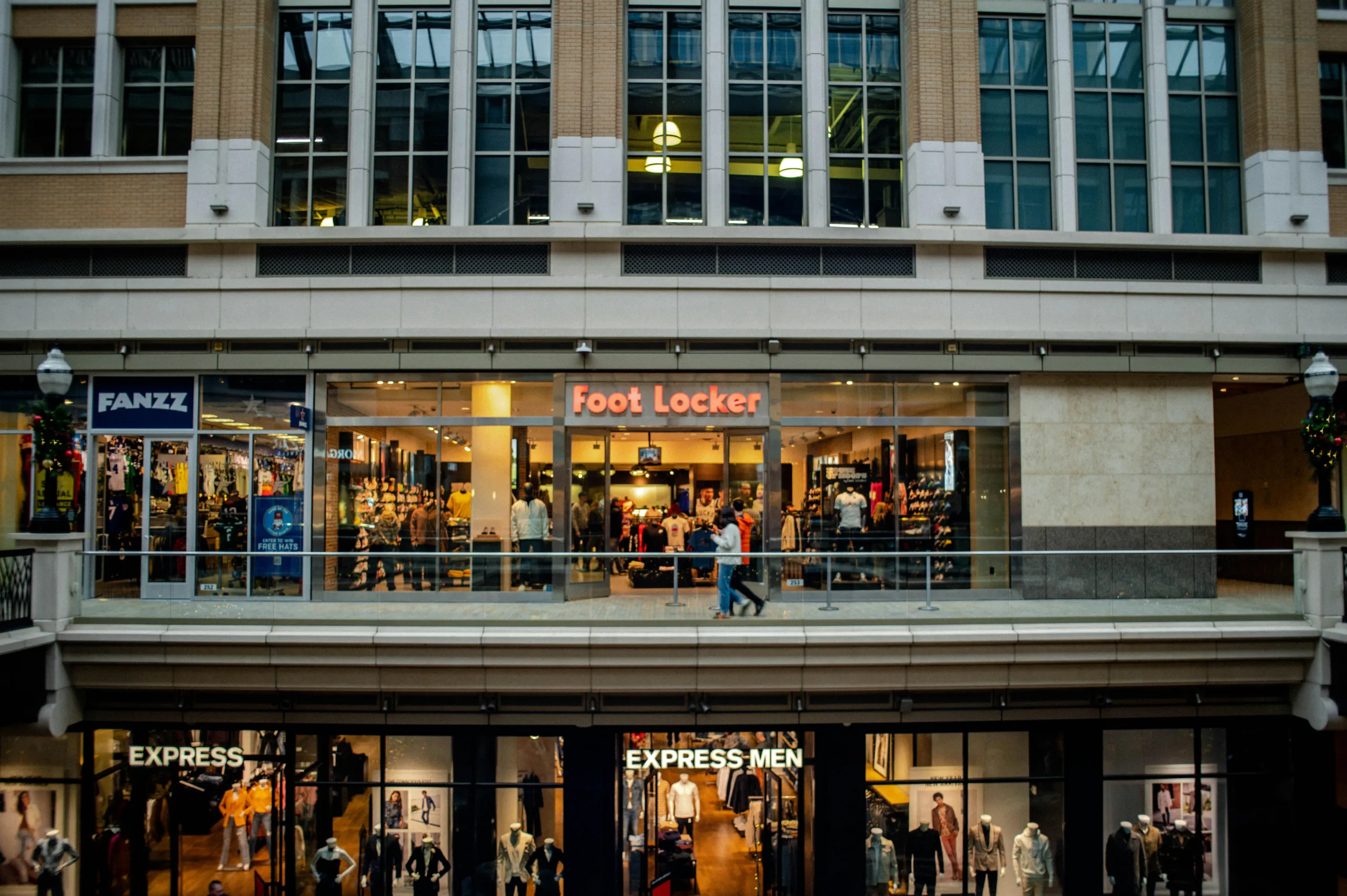
CBL Properties is making a strategic bet on middle-market retail, reports WSJ. The Chattanooga-based REIT announced it is buying four enclosed malls from Washington Prime Group for $178.9M. It’s a notable transaction in a sector still recovering from years of disruption.
A Rare Portfolio Play
The purchase includes Ashland Town Center (KY), Mesa Mall (CO), Paddock Mall (FL), and Southgate Mall (MT). These properties are considered dominant retail hubs in their regions. It’s CBL’s first major portfolio acquisition since 2015, signaling renewed confidence in mid-tier retail as a long-term asset class.
Get Smarter about what matters in CRE
Stay ahead of trends in commercial real estate with CRE Daily – the free newsletter delivering everything you need to start your day in just 5-minutes
Back From Bankruptcy, With Focus
CBL filed for bankruptcy during the pandemic, but has since pivoted its strategy. The firm is concentrating on what it knows best: mid-tier malls that serve broad, often suburban or rural markets. Instead of chasing luxury tenants, CBL is customizing properties to local demand and reworking spaces left vacant by anchor store closures.
Why It Matters
The deal illustrates a shift in sentiment around malls. While top-tier centers in wealthy, urban markets have drawn investor attention, CBL’s move suggests a deeper bench of viable mall properties exists—especially given the lack of new retail construction since 2008. As demand for retail space grows and open-air vacancies tighten, even non-luxury malls are seeing a lift.
Signs Of Broader Sector Resilience
CBL isn’t alone in rethinking second-tier malls. Simon Property Group has also started investing in updates to less glamorous properties like Smith Haven Mall on Long Island. Meanwhile, Washington Prime, which also went through bankruptcy, has whittled its portfolio to a core group of high-performing enclosed centers.
What’s Next
CBL financed the acquisition by expanding an existing $333M loan from Beal Bank USA by $110M. With net operating income growing for only the second time since 2016, CEO Stephen Lebovitz believes more deals are on the horizon. “The mall has had a real renaissance over the past few years,” he said.
As mall closures continue to reshape the national retail landscape, investors are beginning to identify which properties—luxury or not—still have staying power.