





- Lease structure in commercial real estate is crucial for maintaining an income hedge against inflation.
- CPI-linked escalators and strong expense passthroughs help preserve real income in volatile economic cycles.
- 2025-2026 could favor CRE as an income hedge while values remain rate-sensitive.
- Floors and caps on escalators balance tenant viability and upside capture.
Income Hedge Opportunity for CRE
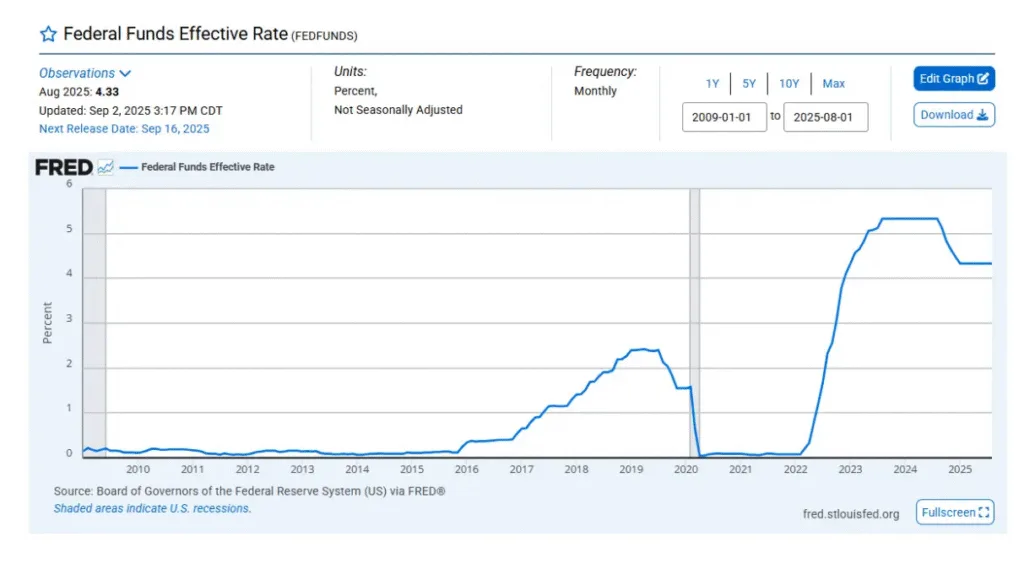
Commercial real estate (CRE) remains a reliable income hedge during inflation, especially with well-structured leases, per Altus Group. As rates may decline through 2025–2026 while inflation stays high, investors are revisiting lease terms to protect income. CPI-linked rent escalators and strong expense passthroughs help preserve real income when asset values fluctuate with changing cap rates. These mechanisms give owners and appraisers tools to sustain returns even during economic volatility.
Why Lease Structure Matters
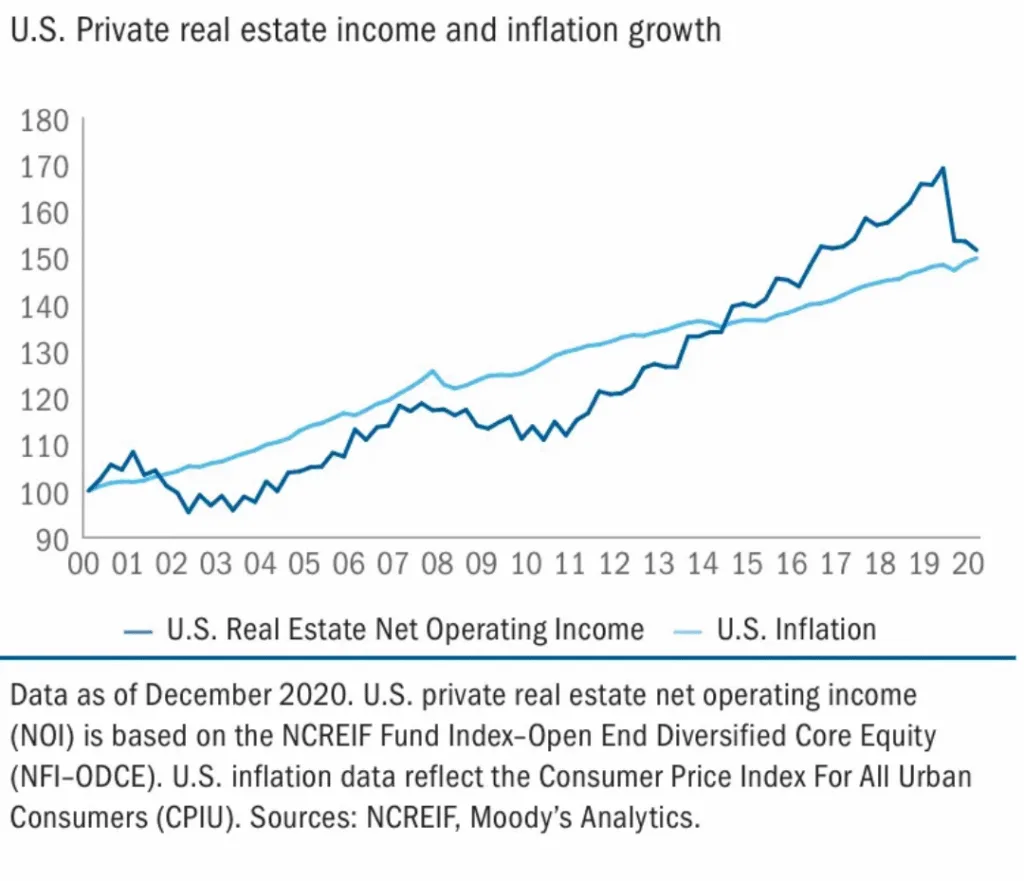
While CRE’s reputation as an inflation hedge is well established, the protection is realized mainly at the income line rather than asset values. The strongest defense comes with lease structures that enable rents to reset—via short leases, CPI-linked escalations, or mark-to-market clauses. Without these, long-term fixed rent bumps lag behind inflation, compressing real net operating income (NOI). This is especially evident in sectors with infrequent escalations or restrictions on rent increases.
CPI-Linked Escalators Strengthen NOI
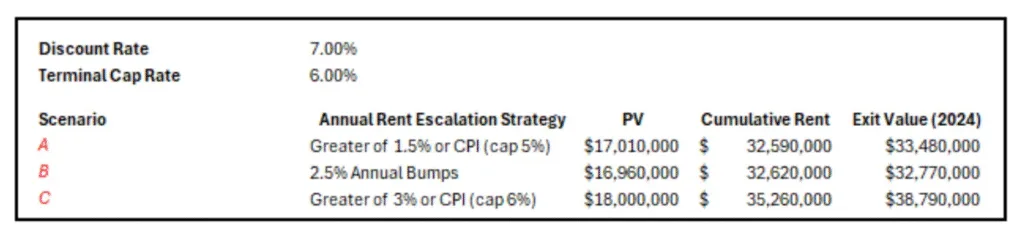
Historically, leases with CPI-linked escalators deliver stronger inflation protection than those with only fixed annual increases. For example, a lease with CPI-linked escalations and both protective floors and caps can mitigate downside in periods of low inflation and capture upside in inflationary spikes, without exposing tenants to excessive increases. Data show that a 3% floor and 6% cap structure outpaces fixed 2.5% escalations over time, supporting cumulative rent and NOI growth. This dynamic underpins the income hedge potential for CRE owners during inflationary cycles.
Get Smarter about what matters in CRE
Stay ahead of trends in commercial real estate with CRE Daily – the free newsletter delivering everything you need to start your day in just 5-minutes
Property Type and Market Differences
The effectiveness of the income hedge depends on property type and local market conditions. Apartments typically have short leases, which allow faster rent resets. Industrial assets often include annual escalations that support steadier income growth. Recent activity in lower-tier industrial assets also shows how investors can boost yield through targeted repositioning and pricing discipline, even before broader cap rate compression returns. By contrast, big-box retail or office assets with long leases and infrequent increases may lag inflation, which raises the need for flexible escalation clauses.
Valuation and Underwriting Strategies
Valuation professionals must weigh lease structure when underwriting CRE assets. They should examine lease lengths, CPI-linked escalators, and expense passthrough terms. Discount and terminal cap rate assumptions must reflect these income protections. Tools like ARGUS Intelligence help model income scenarios and stress-test portfolios against inflation shocks. In a shifting market, disciplined lease analysis supports CRE’s long-term role as an income hedge.