




- Japanese builders now account for about 6% of the US home-construction market.
- Recent deals by Sumitomo Forestry and Sekisui House each surpassed $4B in value.
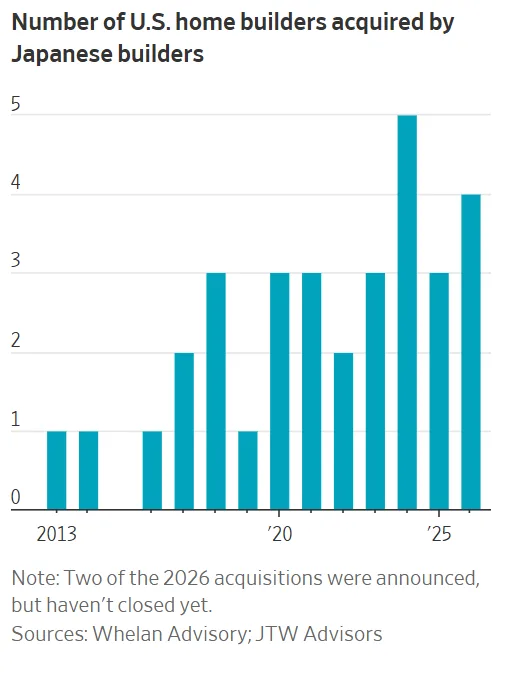
- Japanese firms pursue long-term strategies, acquiring 23 US homebuilders since 2020.
- Their approach integrates local expertise and, increasingly, factory-built methods.
Investor Momentum Builds
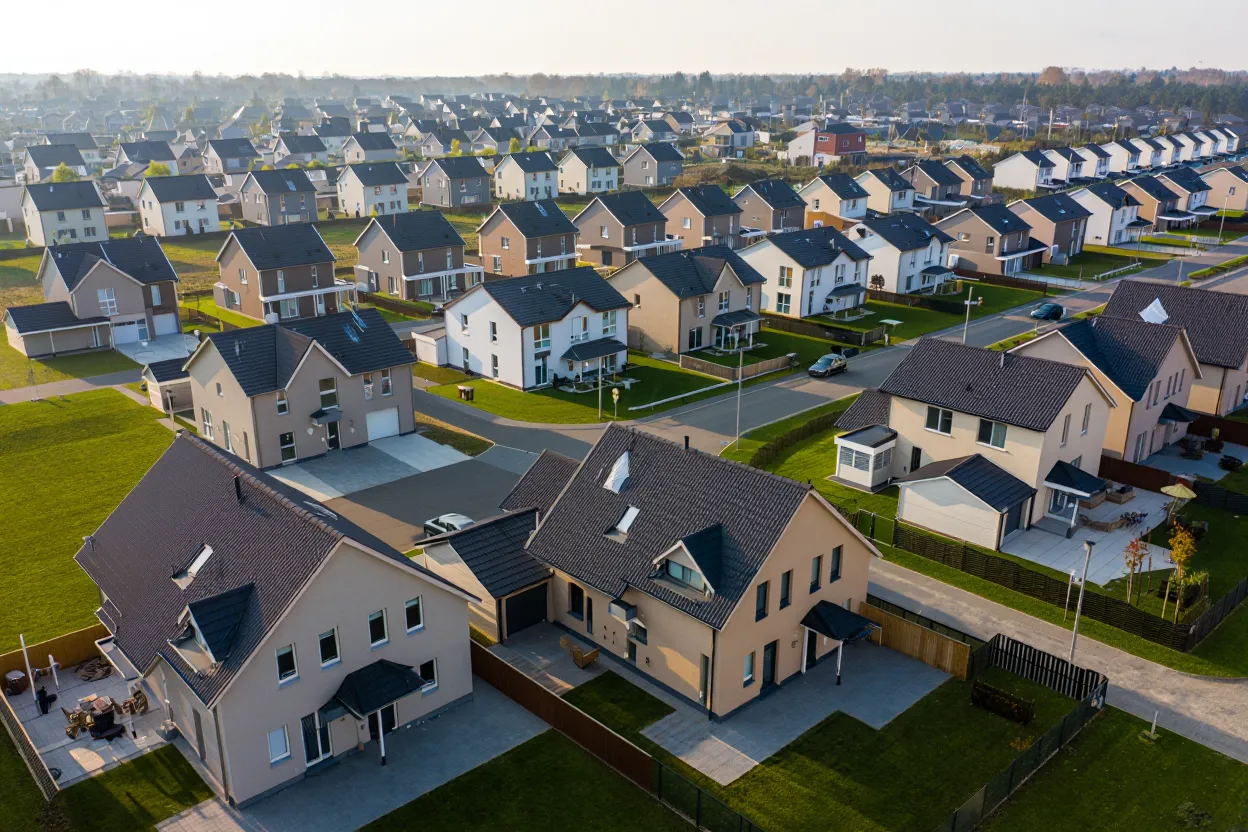
Japanese builders are scaling up their US housing market presence, according to The WSJ. Since 2020, firms like Sumitomo Forestry and Sekisui House have made large acquisitions, solidifying a market share approaching 6%. This expansion continues despite rising mortgage rates and a slowdown in home construction in the US.
Strategic Expansion
Japanese homebuilders see the US market as a growth opportunity, with population decline and an aging demographic limiting prospects at home. Recent headline deals included Sumitomo Forestry’s $4.5B buyout of Tri Pointe Homes and Sekisui House’s $4.9B acquisition of M.D.C. Holdings. That momentum mirrors other recent consolidation moves by Japanese firms expanding their US homebuilding footprint. Unlike Canadian or Australian entrants, Japanese firms have been notably aggressive in their expansion strategies.
Get Smarter about what matters in CRE
Stay ahead of trends in commercial real estate with CRE Daily – the free newsletter delivering everything you need to start your day in just 5-minutes
Managing through the Cycle
Japanese companies are leveraging lower interest rates at home to bid aggressively for US assets. Their typical management style keeps existing American teams in place, favoring operational independence and local expertise. This has made their offers attractive to US sellers.
Long-Term Bet on the US
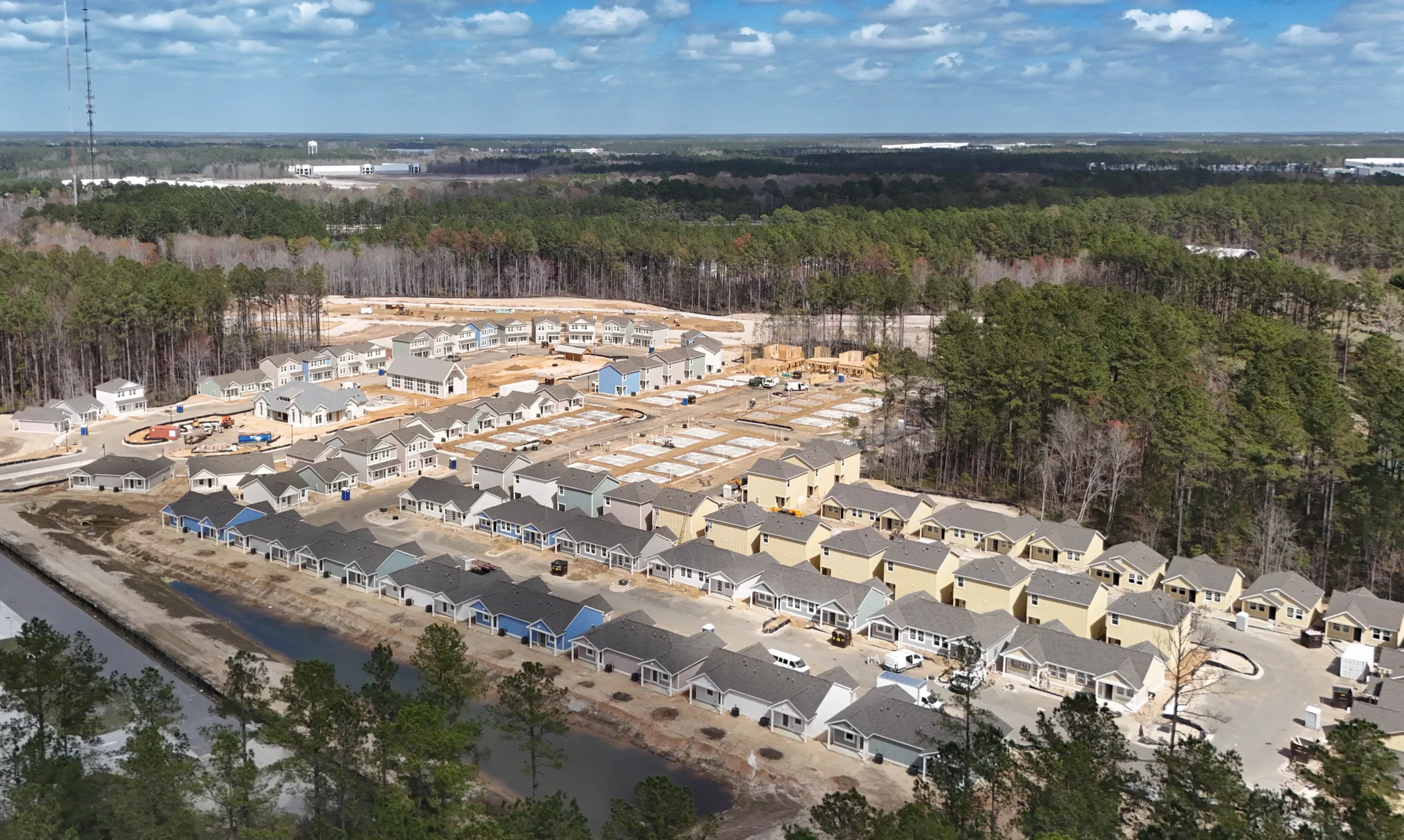
With a focus on prefabricated and factory-built homes—common in Japan—Japanese builders are introducing new efficiencies to the US market. Subsidiaries like JPI, acquired by Sumitomo, continue investing in oversupplied Sunbelt regions, betting on future rental rate rebounds. The Japanese approach emphasizes patience and steady growth in a market still viewed as promising compared to domestic options.