



- ICE is spending $38.3B to buy and convert industrial warehouses for detention centers, aiming for 92,600 beds by year’s end.
- Major CRE firms are selling vacant industrial properties at significant premiums, benefiting from a high-level federal push to secure space.
- Numerous deals have fallen through amid local and bipartisan backlash regarding facility use and impact on communities.
- Developers face a dilemma: accept lucrative offers or risk reputational harm amid rising political and social scrutiny.
ICE Detention Strategy Reshapes Industrial Market
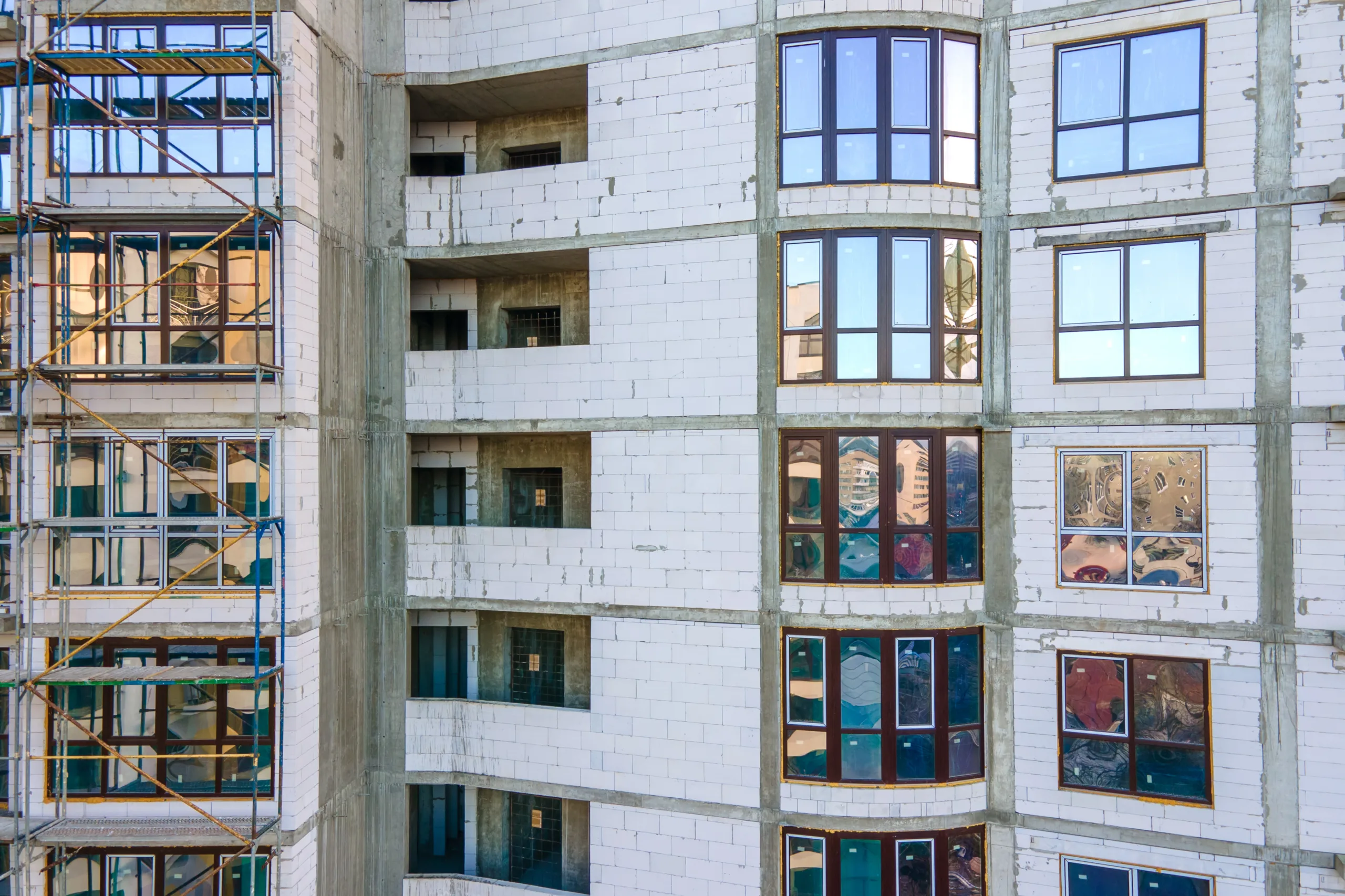
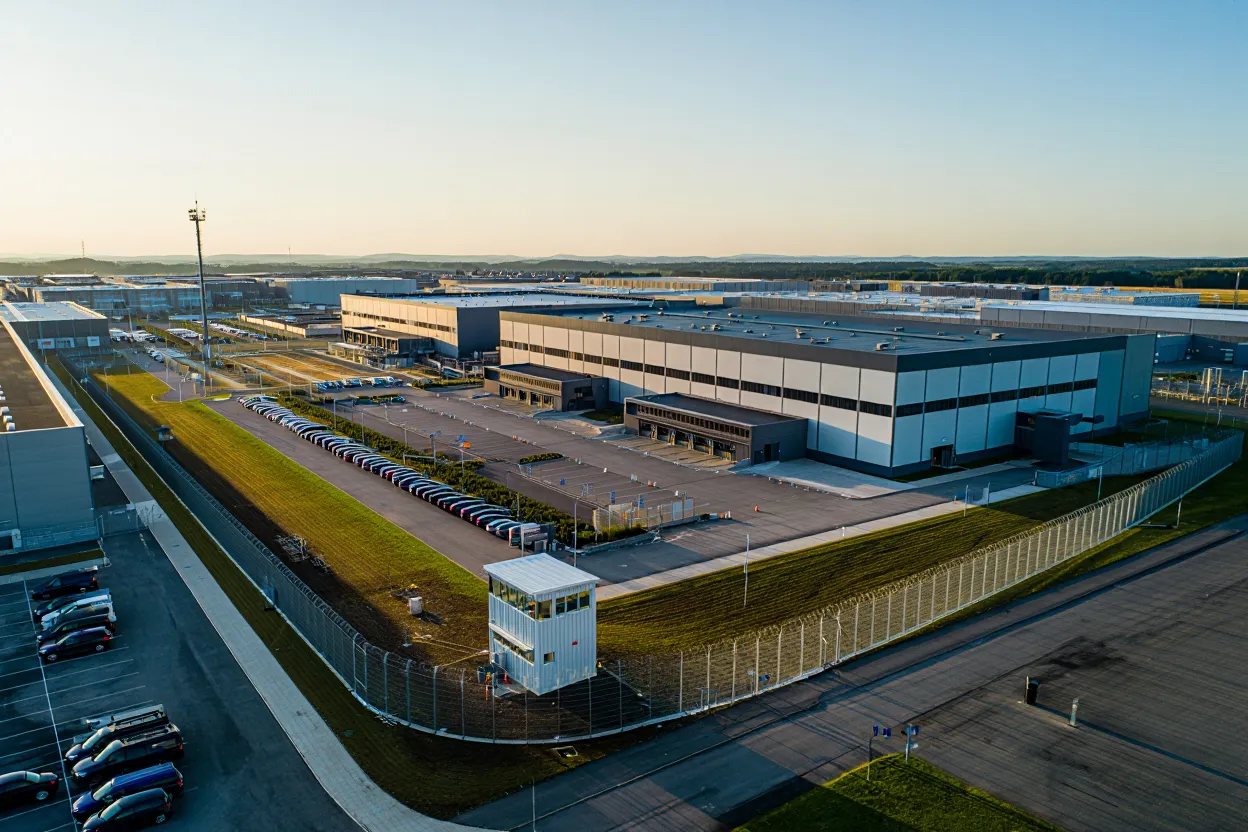
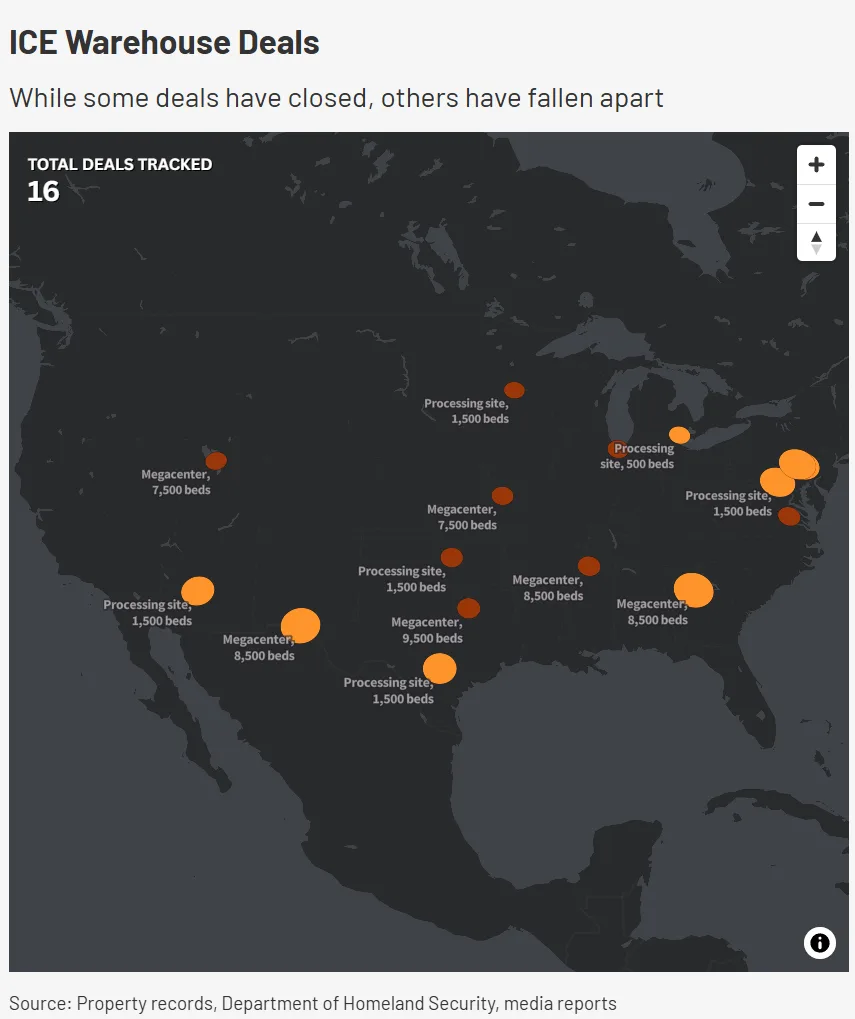
Industrial warehouses across the US are at the center of a $38.3B federal initiative as Immigration and Customs Enforcement (ICE) and the Department of Homeland Security (DHS) acquire large-scale industrial sites for conversion to detention centers. Bisnow reports that the agency has already closed more than $700M in deals, turning vacant logistics facilities from developers like Trammell Crow, Rockefeller Group, Blue Owl Capital, and PCCP into centers targeting over 90,000 immigrant detainees.
ICE’s purchases have delivered quick windfalls to sellers—like a Pennsylvania warehouse that fetched a 33% premium over its 2024 price—at a time of rising industrial vacancy, offering landlords an exit amid market uncertainty. The industrial warehouses being acquired often exceed 500 KSF, with purchase prices well above recent construction and appraised values.
Backlash and Cancelled Deals Erupt Nationwide
The rapid pace and scale of ICE’s industrial acquisitions have faced bipartisan pushback. At least eight planned purchases fell through after local, state, and federal officials, along with community groups, protested the siting of new detention centers. Opponents cite fears over infrastructure strain, property tax loss, and humanitarian concerns about facility conditions. In North Texas, for example, local officials have moved to restrict where detention facilities can operate, underscoring how zoning and land-use fights are becoming central to the debate.
In some cities, owners like Platform Ventures and Majestic Realty Co. withdrew from negotiations following public outrage and the prospect of reputational risk. Even where sales closed, such as the PNK Group’s $128.6M transaction in Social Circle, Georgia, officials voiced alarm over population surges and lack of consultation, raising questions about municipal readiness for such facilities.
Market Impacts and Industry Choices
The surge in ICE warehouse buying comes as the industrial sector contends with a supply glut: record-high vacancies, 1.5B SF on the market, and downward rental pressure. ICE’s willingness to pay above-market rates provides a tempting exit for owners of vacant industrial warehouses, particularly those impacted by weakened e-commerce demand or overbuilding in recent years.
However, developers and institutional owners now weigh solid offers against the potential fallout for future projects and community relations. Political and public scrutiny, as well as concerns over social responsibility, have pressured both developers and brokerage giants involved in these industrial warehouse deals. The long-term reputational risks and impacts to local economies remain subjects of debate as the program marches forward.
Get Smarter about what matters in CRE
Stay ahead of trends in commercial real estate with CRE Daily – the free newsletter delivering everything you need to start your day in just 5-minutes
What Lies Ahead for Industrial Warehouses
ICE intends to finalize its new 24-facility detention network within nine months, with ten sites already secured. Yet, the agency continues to face resistance that could derail future transactions and reshape strategies for industrial warehouse owners. As CRE firms navigate historically high industrial vacancies, the question persists: will properties continue to find their highest value in government use, or will community pushback dictate a different future for the US logistics landscape?