


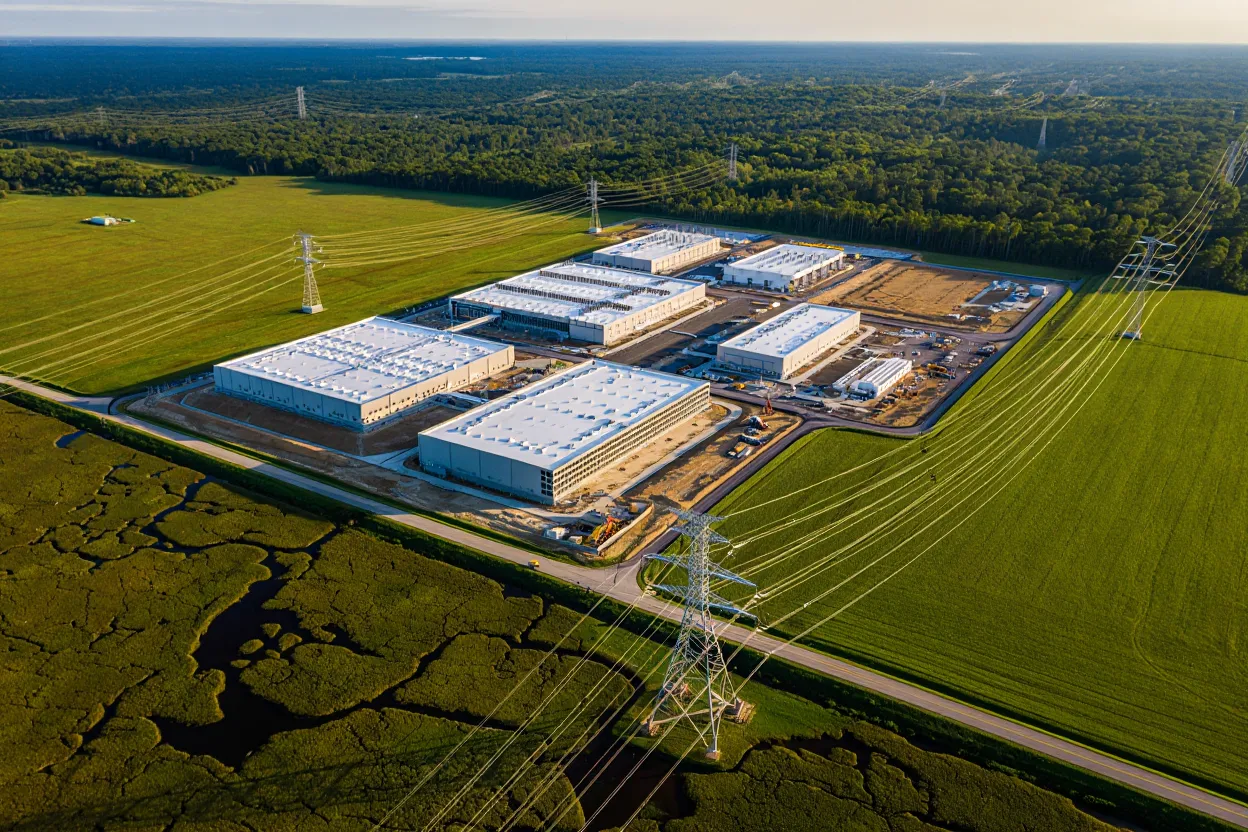

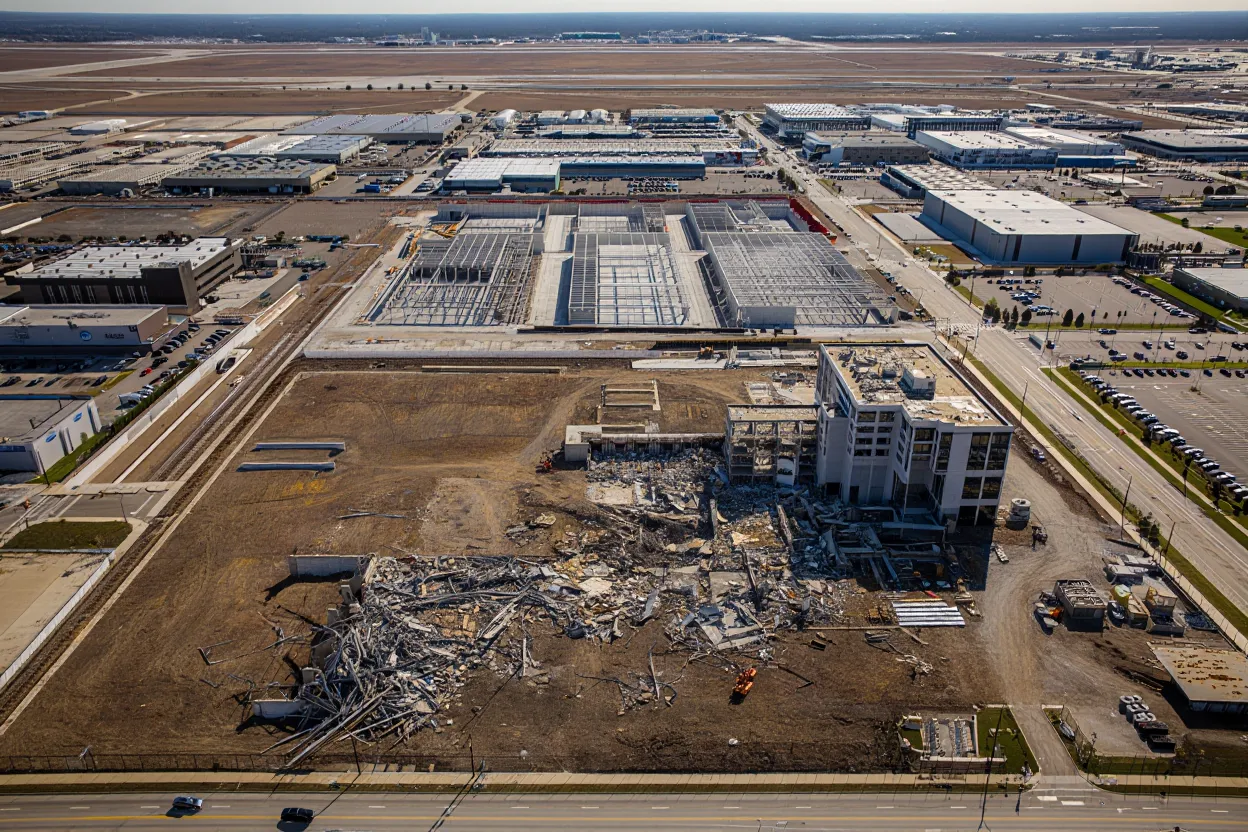
- Industrial conversions are emerging as a key solution for Dallas-Fort Worth’s surplus of obsolete office space.
- Developers target infill Class-C office sites due to rising industrial demand and low vacancy rates.
- Average industrial rents near DFW airport reached $10.26 PSF, supporting redevelopment economics.
- Municipalities offer incentives as conversions boost tax rolls and support local economies.
Conversions Gain Traction
Obsolete office sites across Dallas-Fort Worth are increasingly being demolished and converted to industrial facilities. With office demand focused on trophy space and Class-C buildings sitting empty, developers such as Foundry Commercial and Trammell Crow Co. are pivoting to infill industrial projects, according to Bisnow. This shift addresses both the oversupply of low-demand office space and the ongoing need for well-located industrial assets.
Infill Demand and Market Forces
Tight land supply near DFW International Airport is driving a surge in industrial conversions. Industrial vacancy in that area sits at just 8.7%. Developers are demolishing outdated offices in infill submarkets like Los Colinas and McKinney. These locations support distribution and logistics operations in high-demand areas. Projects range from small 7-acre sites to large 50-acre redevelopments. Smaller infill parcels continue to attract the most interest.
Get Smarter About What Matters in Texas
Subscribe to our free newsletter covering the biggest commercial real estate stories across Texas — delivered in just 5 minutes.
Rising Rents Support Conversions
Strong industrial rental rates further incentivize conversion projects. Average industrial asking rents at the airport hit $10.26 PSF in 2025, among the region’s highest. This contrasts sharply with Class-C office rents, which average under $18 PSF—less than half the rates achieved by Class-A product. These economics, coupled with sustained net absorption of industrial space exceeding 20M SF annually, allow developers to justify the costs of demolition and redevelopment.
Municipal Incentives and Outlook
Cities across the metroplex are backing industrial conversions to revive tax bases and attract major tenants. Municipal incentives in Plano and Farmers Branch help bridge investment gaps, making these projects viable even as the easiest sites are claimed. Major investors continue to scale up warehouse portfolios in key markets, signaling sustained confidence in industrial real estate. As demand remains strong, especially in infill submarkets, industrial conversions are expected to play a lasting role in shaping DFW’s commercial real estate landscape.