




- 40% of apartment owners and investors say immigration policies are hurting leasing efforts and occupancy rates.
- Florida landlords report the highest negative impact, with 67% citing issues tied to enforcement actions.
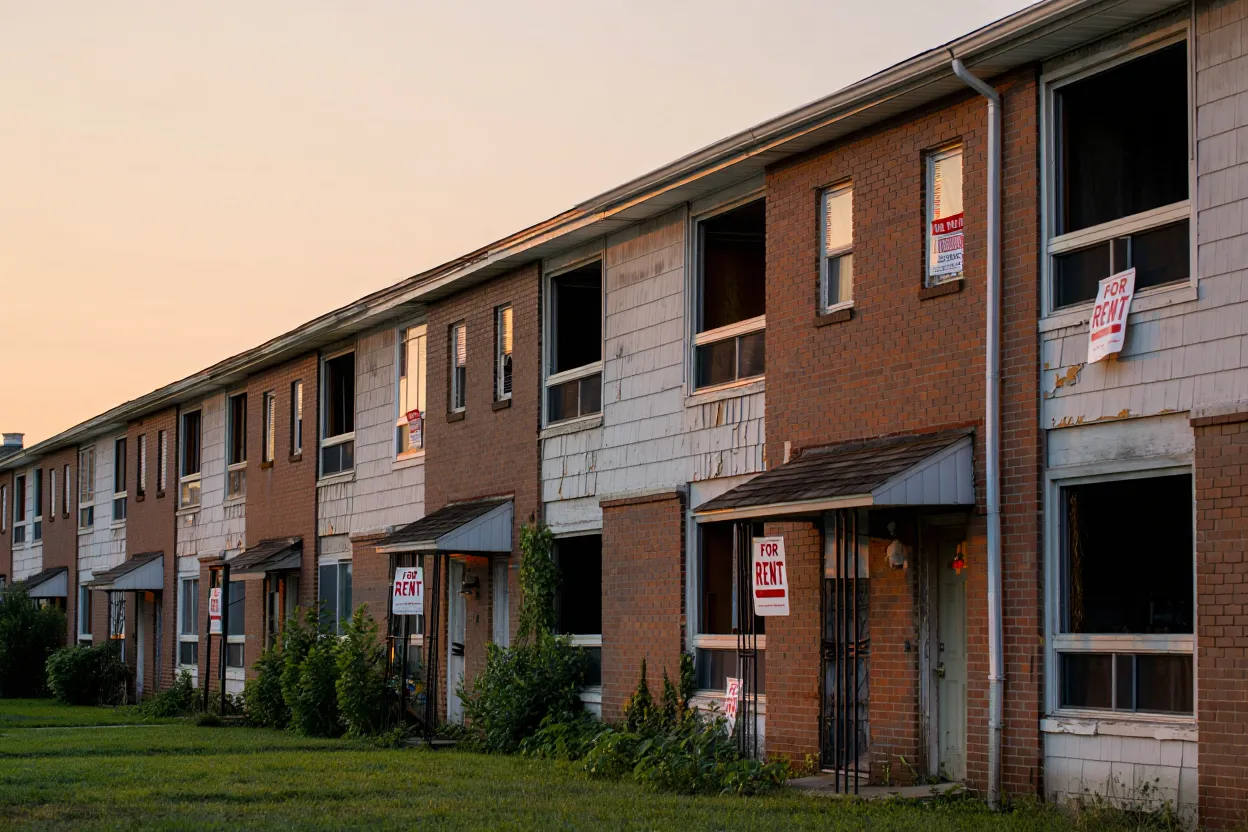
- Some owners are seeing vacancy spikes, slow payments, and changes in tenant behavior due to enforcement fears.
- Effects seen most in immigrant-dense, middle- and lower-income multifamily submarkets.
Enforcement Actions Disrupt Leasing
Intensified immigration policies are creating new challenges for multifamily owners across the US, according to Bisnow. Federal detentions and deportations are leading to higher vacancies and slower payments, especially in states like Florida and Texas where foreign-born populations are substantial. According to a recent National Apartment Association survey by John Burns Research and Consulting, 40% of apartment professionals are feeling the negative effects on occupancy and leasing.
Dramatic Impact in Key Markets
Florida’s multifamily sector has been especially hard-hit, with 67% of surveyed landlords reporting significant disruption tied to immigration policies. One Miami-Dade owner, Lopez Cos., cited a rise in vacancy rates from 2% to 30%, attributed directly to recent enforcement measures. In Texas, nearly half of respondents noted negative impacts as well. Many landlords describe tenants vanishing or doubling up, slowing payment cycles and complicating property management.
Get Smarter about what matters in CRE
Stay ahead of trends in commercial real estate with CRE Daily – the free newsletter delivering everything you need to start your day in just 5-minutes
Changing Tenant Behavior
The crackdown has led many renters to avoid putting their names on leases or public records. Apartment experts and operators are seeing more tenants living unofficially with friends or relatives to evade detection. These shifts make it difficult for landlords to fill units through conventional means, as foreign-born renters grow hesitant to sign leases or engage with property management.
Broader Multifamily Implications
Most respondents haven’t seen direct effects yet, but data shows immigration policies pose a one-sided risk to demand. Submarkets that rely on foreign-born residents feel the pressure more than others. The US immigrant population growth rate dropped by over 50% last year. This decline cuts off a major source of rental demand.
To offset rising vacancies, owners in affected areas now offer incentives like free rent. These efforts highlight the growing strain on multifamily properties under current immigration policy trends. Broader enforcement actions have also begun to affect other CRE sectors, including labor availability in construction.