





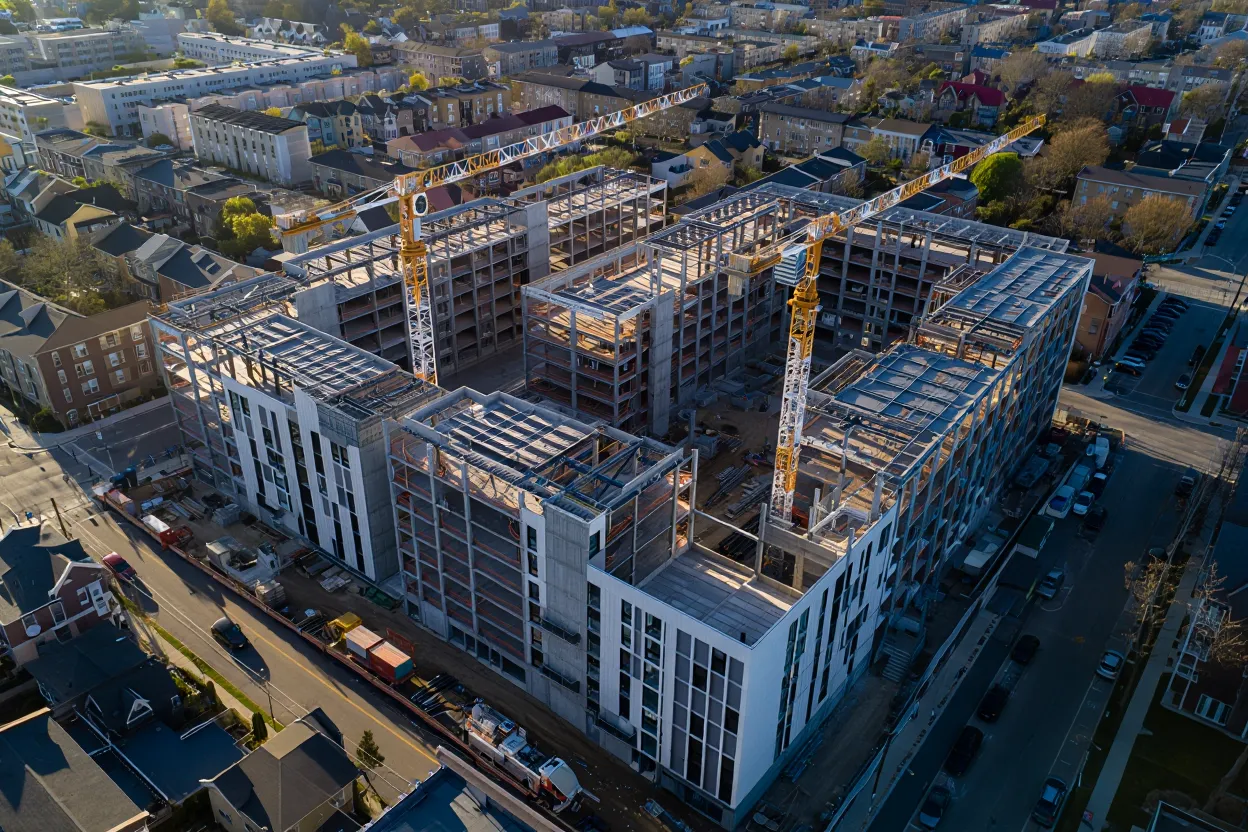
- Policymakers are shifting from buyer incentives to direct supply-side housing policies.
- Federal, state, and city programs focus on expanding construction and zoning reforms.
- Freddie Mac reports a significant supply gap with current vacancy rates below stability targets.
- Experts agree that boosting housing supply, not demand, is critical to affordability.
Policy Priorities Shift
Policymakers nationwide are pivoting from demand-side strategies, such as incentives for homebuyers, to supply-driven initiatives aimed at the housing shortage. According to Globe St, this movement is seen at federal, state, and local levels as affordability challenges grow more acute and failed long-term fixes prompt a new consensus: building more homes is essential.
Oxford Economics recently highlighted that median-income households afford just 76% of the costs for a median-priced home, while most renters dedicate over 30% of their income to housing. Both metrics point to persistent, supply-driven affordability problems.
Supply Constraints Persist
The underlying drivers of the housing shortage have worsened since the pandemic. Construction costs rose roughly 40%, while land and materials became more expensive and developers faced tighter margins. Homeowners with low mortgage rates are holding onto properties, keeping inventory tight. Despite strong demand in major markets like New York City, construction activity remains sluggish, further underscoring the systemic challenges tied to supply.
Freddie Mac’s latest data shows the national housing vacancy rate at 10.3%, below the stable 12% average seen from 1994 to 2003. The agency warns that new construction still trails the levels needed to support growing household formation and replace outdated or lost homes.
Get Smarter about what matters in CRE
Stay ahead of trends in commercial real estate with CRE Daily – the free newsletter delivering everything you need to start your day in just 5-minutes
Federal and Local Action
In Washington, the expansion of the Low-Income Housing Tax Credit via the One Big Beautiful Act will boost affordable housing investment by 11% over a decade. The Senate has passed the ROAD to Housing Act, while the House considers its own supply-focused bill, signaling bipartisan momentum.
At the state and city level, regulations are being overhauled to spur supply. California, Oregon, and several cities—including Minneapolis and Portland—have removed single-family zoning, opening up land for multifamily housing. With new mandates for multifamily homes near transit and relaxed lot and parking rules in cities like Austin and Los Angeles, the regulatory environment is encouraging greater density and diversity in housing stock.
Outlook for Housing Supply
These collective efforts around the housing shortage show a key shift: direct investments and regulatory reforms to boost housing supply. Oxford Economics and other analysts stress that easing supply constraints remains the best path toward more affordable, stable housing markets nationwide.