



- Government property requires an estimated $50B in deferred upkeep, according to a new report.
- Calls to streamline the government real estate portfolio are increasing amid high maintenance costs.
- GSA has started disposing of properties, including the Agriculture South building in Washington, D.C., to save on expenses.
- Judiciary and other agencies seek more control over their assets as backlogs rise and facilities deteriorate.
Cost Pressures Intensify
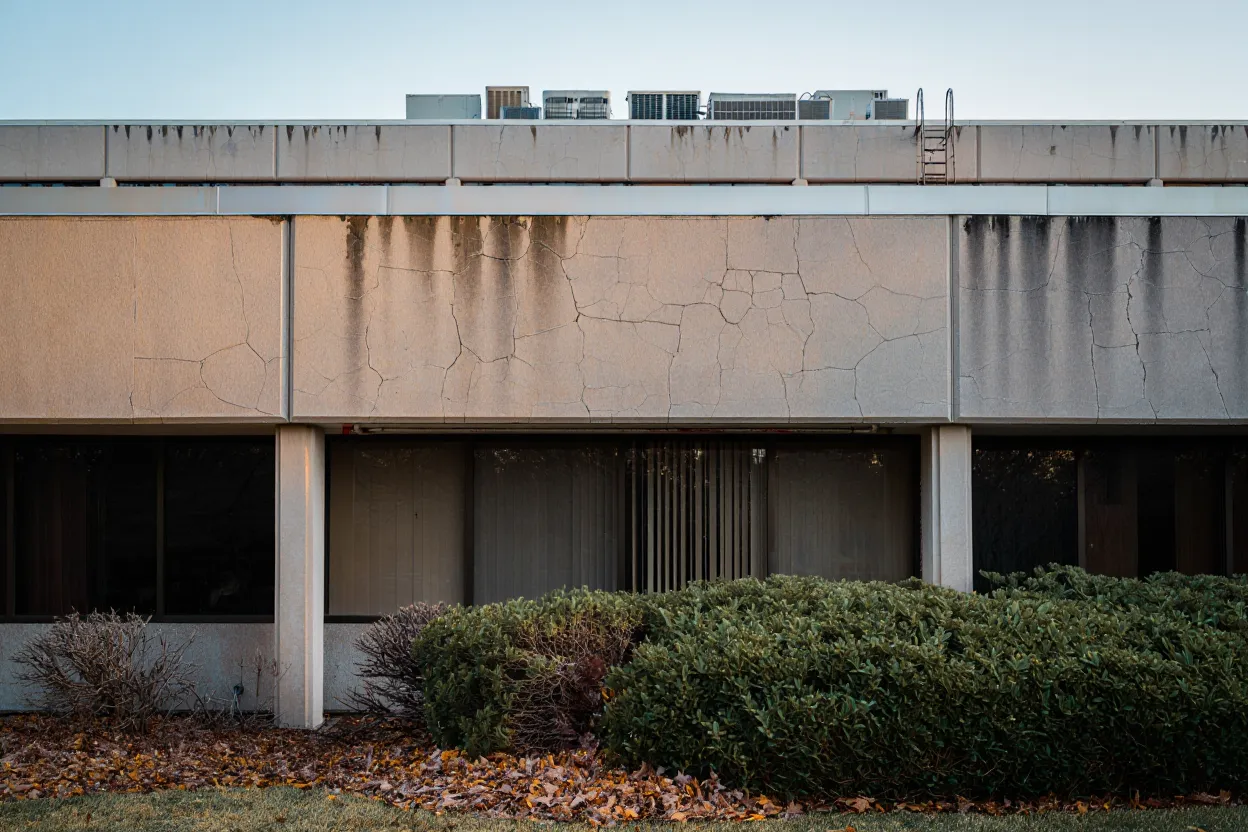
According to CoStar, a Congress-appointed panel found that the US government property portfolio faces at least $50B in deferred maintenance and repairs. The Public Buildings Reform Board urged leaders to streamline federal property holdings. Years of underfunded maintenance have left many government buildings in poor condition. As a result, policymakers and industry leaders now debate reducing the General Services Administration’s vast real estate portfolio.
Chronic Underfunding Drives Backlog
Government property receives far less maintenance funding than industry standards require. Agencies spend about 0.375% of replacement value on upkeep. Industry norms typically range from 2% to 4%.
As a result, deferred maintenance continues to grow across the federal portfolio. The Reform Board says the backlog is reducing the value and usefulness of key assets. This deterioration also affects federal service delivery and workplace safety.
Older office buildings drive much of the problem. Properties between 31 and 75 years old generate the highest maintenance costs PSF. Consequently, many of these aging buildings have become prime candidates for disposal.
Get Smarter about what matters in CRE
Stay ahead of trends in commercial real estate with CRE Daily – the free newsletter delivering everything you need to start your day in just 5-minutes
Dispositions and Cost Savings
Amid rising costs, the GSA is moving to cut leases and dispose of aging assets. By the end of 2025, plans were announced to offload properties such as the Department of Agriculture’s South building, which could save $1.6B in anticipated maintenance. Other measures include terminating 260 office leases, which are projected to save $112M annually. The move reflects a broader push across commercial real estate to dispose of underperforming assets and reposition portfolios.
Management Authority Debated
Some agencies—including the federal judiciary—are seeking greater autonomy to manage and repair properties as repair backlogs worsen. The judiciary reported $8.3B in needed repairs, highlighting delayed fixes such as at Chicago’s Dirksen courthouse, where water damage remains unresolved. While Congress considers expanded management authority for agencies, concerns remain about decentralization compounding issues rather than delivering efficiencies.
What’s Next
The GSA continues pursuing a strategy to reduce underutilized and high-maintenance government property, but lacks a comprehensive long-term plan for portfolio disposition—particularly in central locations such as Washington, D.C. The debate over control and funding priorities is expected to persist as deferred costs for government property mount, and lawmakers weigh options for improved asset performance and fiscal responsibility.